The Allure of Scarcity: Asia's New Frontier
From minimalist convenience stores to crowded mountain views, the region navigates a future defined by what it withholds.
SINGAPORE
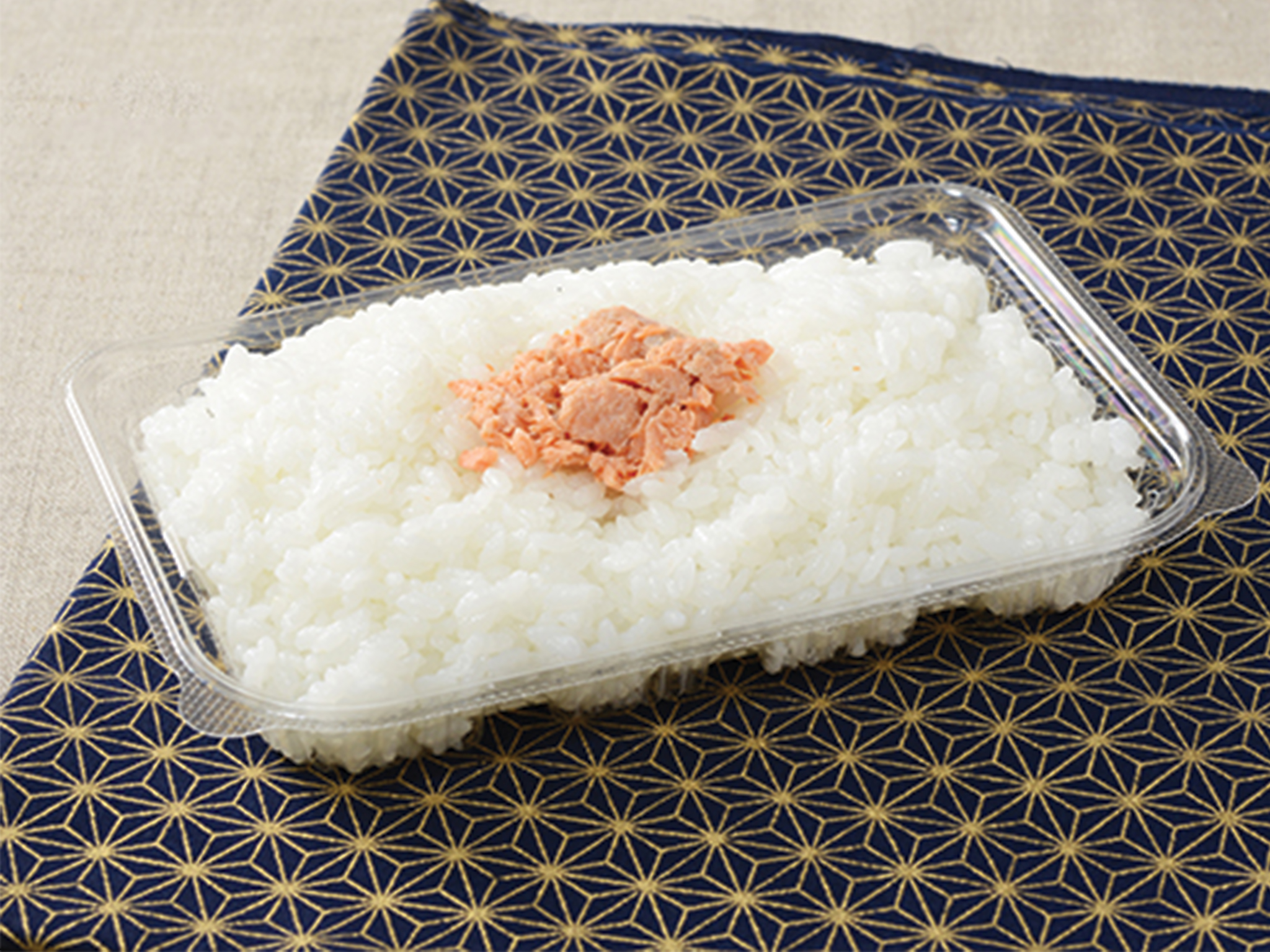
A single topping defines Lawson’s new ¥297 bento, a precise offering in Japan that reflects more than just a passing menu item. This simplification, reported by Tokyo Weekender on September 18, 2026, surfaces amidst a broader regional narrative where the absence of excess begins to hold a curious weight. It is an aesthetic of spareness that, when examined against the backdrop of Asia's burgeoning markets, suggests a complex recalibration of desire and accessibility.
The convenience store, historically a byword for abundance and immediate gratification, particularly in Japan, now offers a focal point of austere design. This move towards a singular focus, whether driven by cost efficiency or a nascent consumer preference for clarity, juxtaposes sharply with the ambitious expansion plans of major players like Lawson and 7-Eleven. Nikkei Asia reported on January 5, 2024, that these two giants intend to open a combined 10,000 Asia-Pacific outlets. This projected proliferation of convenience suggests a future not of constrained choice, but of a carefully curated and replicated minimalism that can scale across diverse economies. The Philippines’ Puregold, for instance, teamed up with Lawson for a convenience store venture, signaling the long-term strategic intent behind such expansions.
Yet, scarcity in the Asia-Pacific takes on other forms. On May 21, 2024, Reuters reported that a Japanese town blocked off a viral view of Mt. Fuji, overwhelmed by tourists. Here, the 'one topping' is the view itself – singular, iconic, and now, deliberately restricted. The desire to preserve, even at the cost of exclusion, reveals a tension between the draw of a destination and its capacity to absorb human presence. What does a place demand when its very essence becomes a commodity of immense, almost unbearable, popularity?
The parallel between a bento’s sparse ingredient list and a blocked mountain vista extends beyond mere coincidence. Both represent a form of scarcity: one by deliberate design, the other by environmental necessity and the pressures of mass appreciation. The ¥297 bento, with its singular component, embodies a commercial attempt to distill value, to find satisfaction in the precise rather than the profuse. The blocked Fuji view, conversely, represents an involuntary scarcity, a protective measure against the destructive embrace of admiration. In both instances, the experience is shaped by what is *not* present or *not* accessible.
This regional inclination towards the precise, and sometimes the withheld, presents a contradiction. On one hand, companies like Don Quijote are planning a wave of discount stores across Asia, as reported by Nikkei Asia, pushing an ethos of varied, affordable goods. This suggests an enduring demand for breadth and value, potentially countering the minimalist trend. The Global Gender Gap Report, which saw Japan move up one place to 117th, also highlights broader societal shifts and varying progress that influence consumer behavior in ways a single bento cannot fully encapsulate. These developments suggest a region not moving uniformly towards one philosophy of consumption or experience but navigating a complex interplay of forces.
What this landscape asks of those who arrive is an adjustment in expectation. The appeal of Asia is not always found in endless options or unbridled access, but increasingly in the deliberate focus, the refined offering, or the privileged glimpse. The single-topping bento and the concealed mountain speak to a region learning the power of curation, not just of what to present, but also of what to protect. It suggests that, in an increasingly connected world, the most compelling experiences might paradoxically be those that are most carefully controlled and selectively offered.
Sources
Newsletter
Pacific Daily
A curated briefing from Thailand, Asia-Pacific and the world.