Thai Airways CEO Suspension Points to Deeper Operational Strains
The 30-day review of Chai Eamsiri’s tenure, ostensibly triggered by floods, highlights persistent challenges in managing critical airline services and staff. Who carries the cost day to day?
SINGAPORE
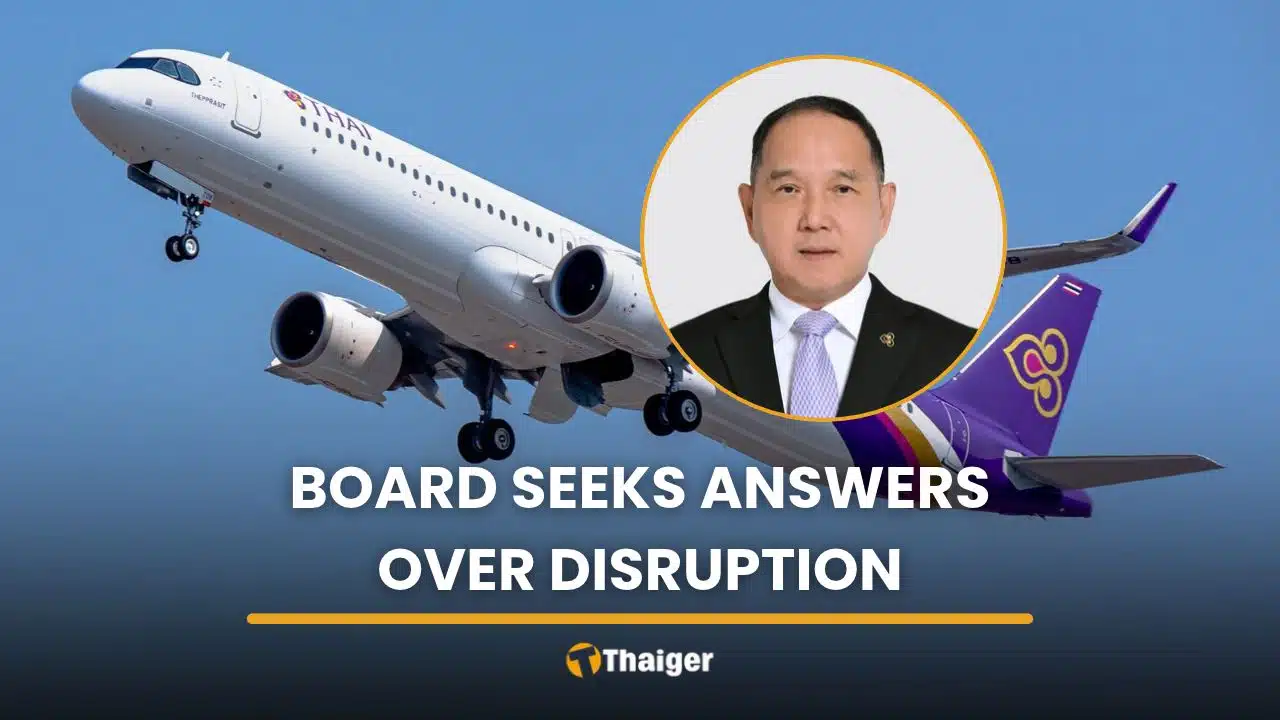
The suspension of Thai Airways CEO Chai Eamsiri, followed by a 30-day fact-finding investigation, places a spotlight on the airline's operational vulnerabilities, not just the immediate impact of severe flooding at Suvarnabhumi International Airport. While Mr. Chai's suspension on October 2 and the subsequent review on October 5 were publicly linked to the operational disruptions, including a baggage crisis and cancelled flights, the focus on outsourced ground staff suggests a deeper scrutiny of the airline’s core practices.
The board’s decision to appoint Director Samrit Samniang as acting chief executive and to prepare for Police General Tatchai Pitaneelaboot, a Thai Airways director and deputy national police chief, to chair the investigation indicates a formal process. However, the timing, coinciding with reports from The Straits Times on October 2 that Mr. Chai stated he was fired by the board, introduces a notable contradiction. This discrepancy highlights the complexity of internal governance within state-linked enterprises.
Thai Airways, which avoided collapse and rebuilt for the future according to CNBC in June 2025, operates in an Asia-Pacific region where airline revenues are projected to climb by 4.3% to US$223.7 billion in 2025. This growth signals a robust market, yet the issues raised — baggage handling, flight cancellations, and the reliance on outsourced labor — are fundamental to passenger experience and operational efficiency. The suspension and review, therefore, shift attention from a natural disaster to management decisions and their consequences for everyday service delivery.
For passengers, the immediate costs of these issues are tangible: disrupted travel plans, lost baggage, and uncertainty. For the outsourced ground staff, who are now under review, the implications could range from altered contracts to job insecurity, reflecting the human dimension of corporate operational adjustments. The underlying tension between cost efficiency, often sought through outsourcing, and service quality is exposed here.
The fact-finding investigation is expected to examine the full scope of these issues. Its findings could influence future strategies for managing key airport services and human resources, potentially setting new precedents for how large airlines in the region balance operational resilience with cost controls. The outcome will reveal more than just the fate of a single executive; it will indicate the extent to which Thai Airways is prepared to address systemic challenges that affect its day-to-day operations and the experiences of thousands of travelers.
Sources
Newsletter
Pacific Daily
A curated briefing from Thailand, Asia-Pacific and the world.