Symphony of Spice: How Thai 'Luk Thung' Fusion is Redefining Global Sounds
From Bangkok's backstreets to global stages, traditional melodies are being reimagined with jazz, electronic pulses, and rock grit, creating a vibrant new sonic palette.
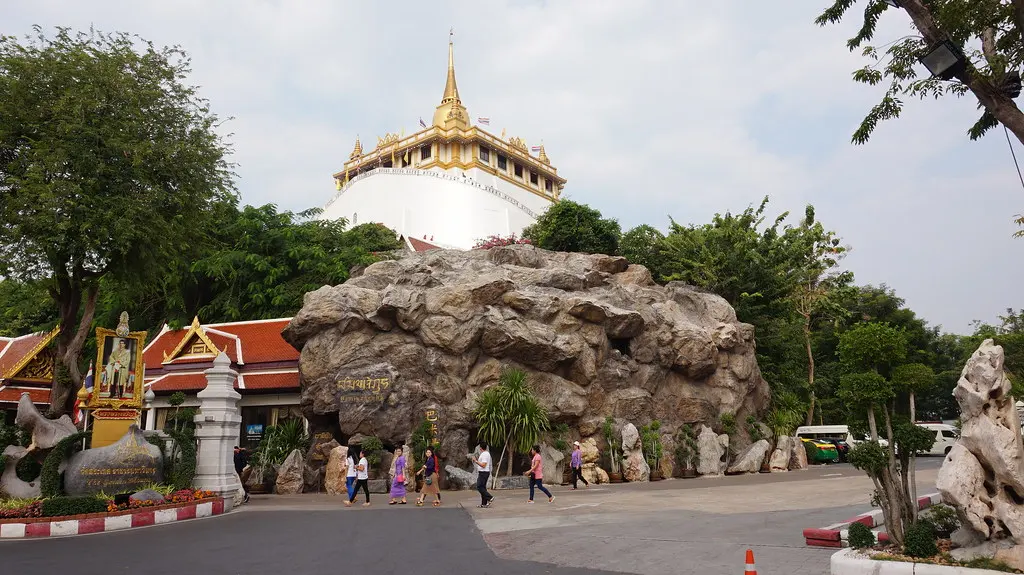
BANGKOK
Bangkok is a city of layers—ancient temples nestled beside gleaming skyscrapers, street food stalls perfuming the air with lemongrass and chili, just steps from Michelin-starred dining rooms. This very tapestry of old and new, tradition and innovation, is now finding its most compelling expression in sound: the explosive rise of Thai 'Luk Thung' fusion.
For decades, Luk Thung, or 'child of the field' music, was the soulful heartbeat of rural Thailand. Its raw, often melancholic narratives of farm life, unrequited love, and social struggle, sung over a distinctive blend of traditional Thai instruments like the phin (lute) and khaen (bamboo mouth organ) with Western brass and a driving rhythm section, held an undeniable charm. It was the soundtrack to everyday life, authentic and deeply rooted. But as Thailand modernized, Luk Thung risked becoming a quaint relic, appreciated but rarely innovated upon, much like a beloved but unchanging family recipe.
Then came the culinary spirit of reinvention, not in the kitchen, but in the studio. A new generation of musicians, steeped in the traditional melodies yet globally aware, began to experiment. They saw the inherent versatility of Luk Thung’s melodic structures and emotional depth, much like a master chef recognizes the potential of a core ingredient. What if you added the improvisational freedom of jazz? The hypnotic pulses of electronic music? The raw energy of rock?
Take the band Khana Bierbood, for instance. Their sound is a heady, psychedelic brew, where the surf-rock guitar riffs meet the distinctive wah-wah of a phin, creating a sonic landscape that’s both familiar and exhilaratingly alien. It’s a bold statement, refusing to be confined by genre. Similarly, the project Paradise Bangkok Molam International Band, while primarily focused on Molam (a closely related genre from the Isaan region), exemplifies this spirit of expansion, bringing a hypnotic, groove-laden sound that has entranced audiences far beyond Thailand’s borders.
The Architects of Sound
This fusion isn't merely about grafting Western elements onto Thai music; it’s a symbiotic relationship, a dialogue. Artists like Yena, known for her ethereal electronic soundscapes blended with traditional instruments and vocal stylings, or the more jazz-inflected interpretations by groups like The Paradise Bangkok Rhythm Section, demonstrate a sophisticated understanding of both worlds. They don't just sprinkle foreign spices; they integrate them, creating something entirely new yet unmistakably Thai.
The appeal is multifaceted. For younger Thai audiences, it offers a fresh entry point to their cultural heritage, making traditional sounds feel contemporary and cool. For international listeners, it's an intoxicating discovery, a vibrant alternative to mainstream global pop. It challenges perceptions of what 'world music' can be, proving that authenticity doesn't require stasis.
"This isn’t just music; it’s a living, breathing testament to Thailand's capacity for cultural synthesis, a sound as complex and satisfying as its cuisine."
A Global Palate for Thai Flavors
This sonic revolution is gaining traction on international stages and airwaves. Festivals dedicated to 'world music' and niche electronic genres are increasingly featuring Thai fusion acts, drawn by their unique energy and undeniable artistry. Record labels specializing in obscure or rediscovered sounds are re-releasing classic Luk Thung, while simultaneously championing its modern permutations. This creates a fascinating feedback loop, where the new fusion brings renewed attention to the roots, much like a modern chef might reinterpret a classic regional dish, inspiring diners to seek out the original.
The success of Luk Thung fusion lies in its daring. It refuses to be pigeonholed, constantly evolving, just like the bustling markets and ever-changing skyline of Bangkok itself. It’s a delicious cultural remix, proving that true artistry transcends borders and categories, offering a rich, multifaceted experience that resonates deeply and globally. It’s a taste of Thailand, distilled and re-imagined for the 21st century.
Newsletter
Pacific Daily
A curated briefing from Thailand, Asia-Pacific and the world.