Surrey Museum Site Points to Election Calculus in Cultural Projects
The selection of Surrey over Vancouver for a new provincial museum, announced just before a snap election, suggests cultural initiatives can serve tactical political ends.
SINGAPORE
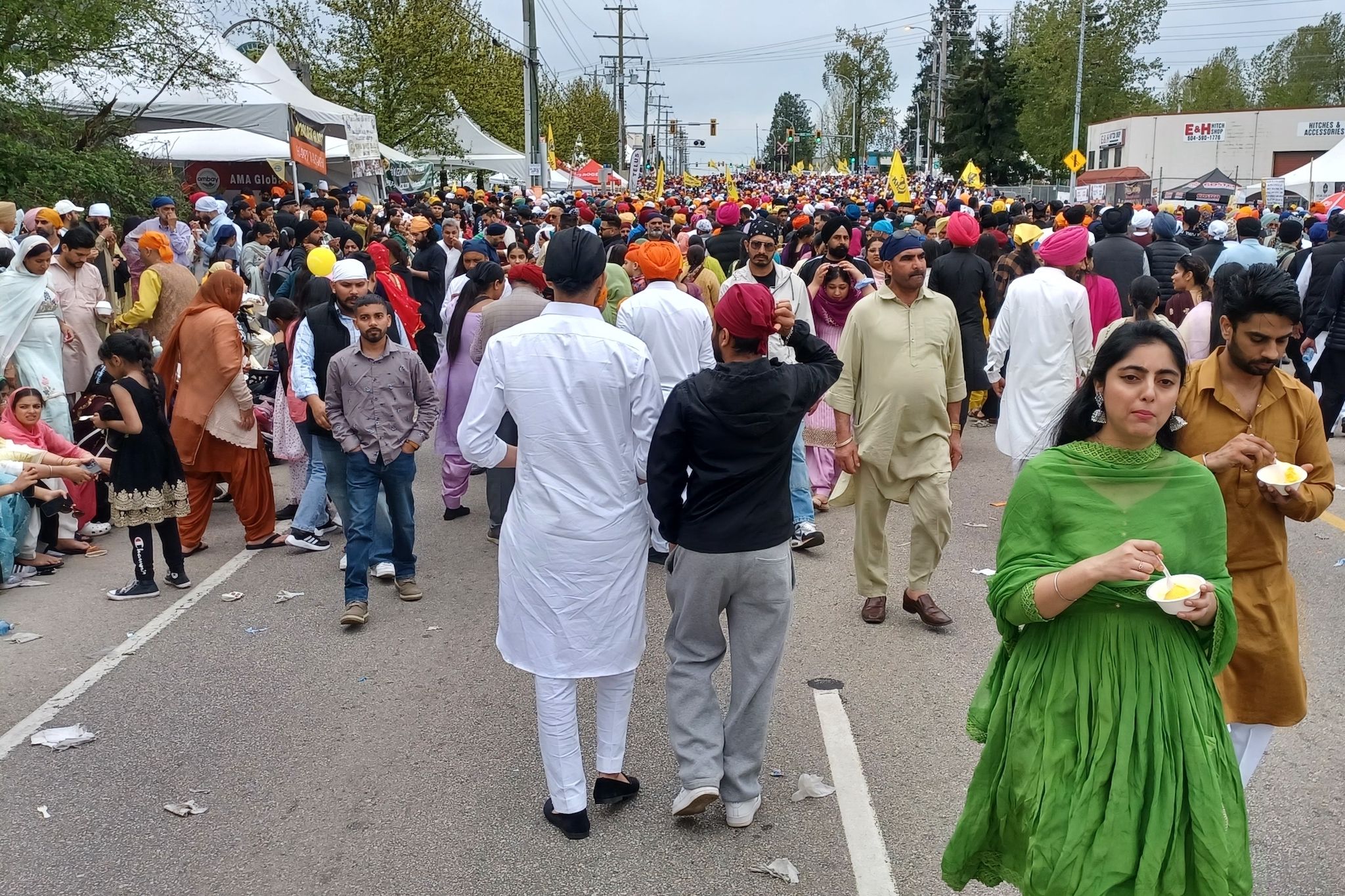
The provincial government and the City of Surrey recently reached an agreement to collaborate on a museum dedicated to Canadians of South Asian heritage. This memorandum of understanding, dated September 18, 2026, surfaced only four days before Premier David Eby declared a snap provincial general election on September 22. British Columbians are slated to vote on October 24, following municipal elections on October 17. The decision to site this museum in Surrey, bypassing Vancouver, offers a lens into the strategic considerations behind public cultural projects.
While the provincial government had explored both Vancouver and Surrey as potential locations, the timing of the Surrey announcement is notable. Museums, by their nature, are meant to be enduring institutions, repositories of shared history and cultural expression. When such a project is unveiled in close proximity to an electoral event, it suggests that its immediate utility might extend beyond its stated cultural purpose. The concentration of the South Asian diaspora in Surrey makes the location a demographically informed choice. This is not simply about cultural representation; it is about addressing a significant voter base in a specific area.
The context surrounding this decision includes broader geopolitical currents affecting the South Asian diaspora in Canada. Indian nationals have been charged in the murder of a Canadian Sikh activist, as reported by The Japan Times in May 2024. Furthermore, some Sikhs in Canada have reported feeling threatened by India, according to an October 2024 report from The Japan Times, following police warnings. These events underscore a complex relationship between parts of the South Asian community in Canada and their ancestral homeland. A museum dedicated to South Asian heritage, in this fraught environment, could be interpreted as an effort to affirm a distinct Canadian identity for the community, or as an acknowledgment of its contributions within Canada, particularly in a region with many residents from South Asian backgrounds.
The choice of Surrey also aligns with broader trends of suburban growth and decentralization. The University of Surrey in the UK, for instance, has unveiled plans for a campus in India, as reported by the BBC in January 2025, indicating a global reach that extends beyond traditional urban centers. For Surrey, securing a provincial museum could reinforce its emerging status as a cultural hub, not just a bedroom community. The long planning phase for this museum project, spanning years, suggests that its development has been a considered process. However, the timing of its final location announcement indicates a tactical layer, positioning cultural investment as a direct appeal to a key demographic during an election campaign. The core question remains whether the chosen location and timing will serve the museum's long-term cultural mission or if it will be seen primarily as a political maneuver.
Sources
Newsletter
Pacific Daily
A curated briefing from Thailand, Asia-Pacific and the world.