Samoa's Climate Science Investment Signals Strategic Clarity in the Pacific
Amidst diverse regional narratives, Samoa's direct investment in climate science underscores a focused, data-driven approach to an existential challenge.
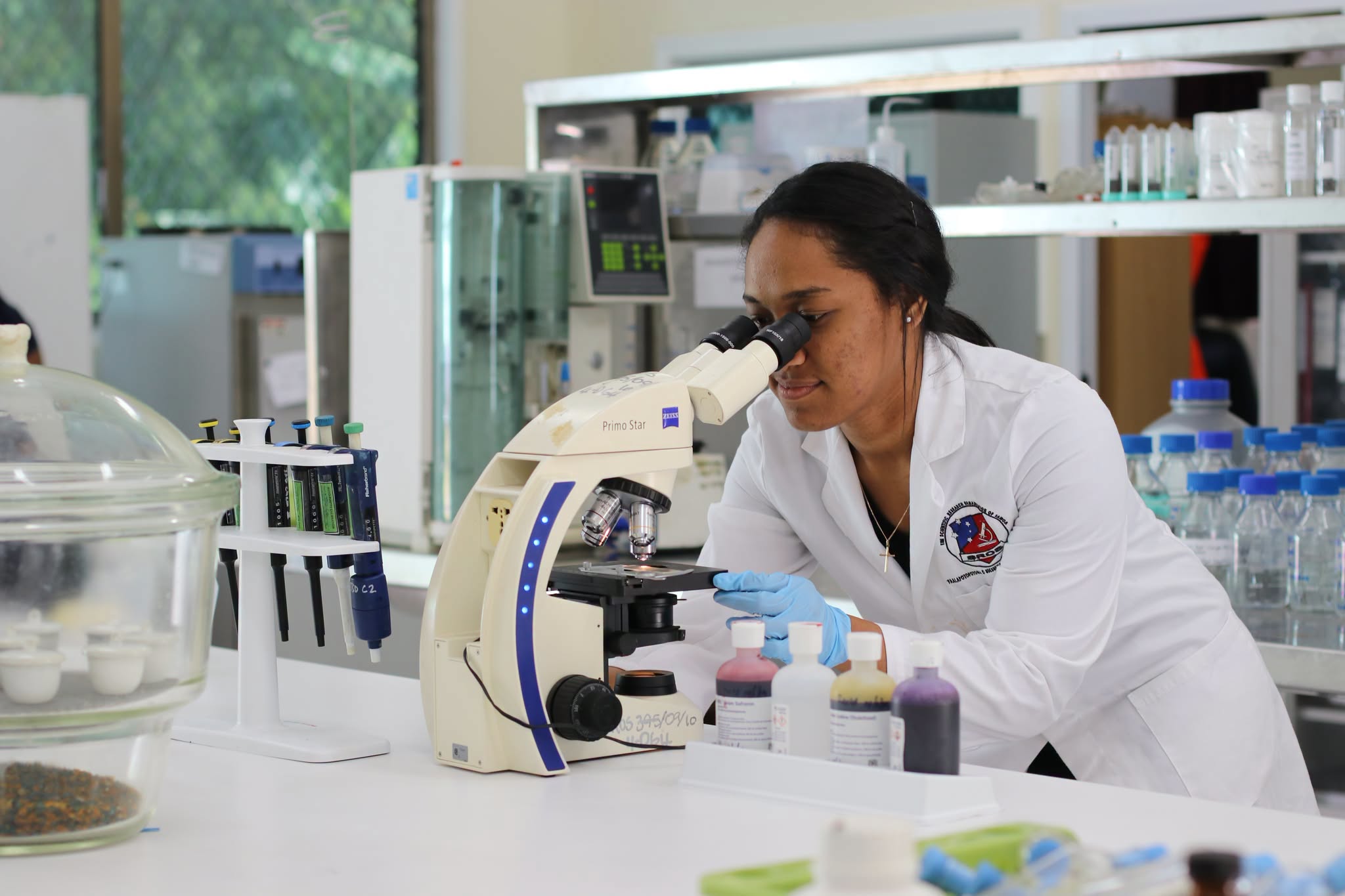
Samoa has directed investment towards science to address climate change. This decision focuses on understanding climate impacts across the Pacific, as reported by Islands Business on September 15, 2026. This initiative indicates a strategic allocation of resources towards a long-term environmental challenge.
The investment in climate science provides a data-centric approach to climate adaptation and mitigation in the region. Other Pacific nations have engaged with climate-related programs, such as Tonga hosting Netball World Cup qualifiers, as reported by ABC News on September 13, 2026, or Samoa’s own launch of a UNESCO-IOC Tsunami Ready Recognition Programme on May 21, 2026. However, specific funding for scientific study of climate change itself suggests a deeper commitment to understanding root causes and localized effects rather than solely reactive measures or ancillary activities. This allocation aims to generate precise data on a changing climate.
While external reports highlight diverse concerns in Samoa—including debates over diaspora voting and warnings about potential World Rugby sanctions impacting Manu Samoa, alongside a defamation case against a journalist on August 25, 2026—these issues represent a different category of national priority. The investment in science for climate change stands distinct from these socio-political or sporting narratives, demanding a specific financial and intellectual commitment. The BBC highlighted 'Ten Leaps for a Brighter Future' in May 2023, without detailing specific Samoan scientific investments, which indicates the internal focus of this particular Samoan decision.
This allocation of resources into climate science could be interpreted as a foundational step. By prioritizing data collection and analysis, Samoa is positioning itself to develop more targeted and evidence-based policies. The effectiveness of this investment, however, will depend on its capacity to integrate scientific findings into national planning and regional collaborations. The outcome hinges on the measurable impact of this scientific understanding on climate resilience, rather than on broader developmental or cultural factors.
Sources
Newsletter
Pacific Daily
A curated briefing from Thailand, Asia-Pacific and the world.