Royal disputes: A persistent drain on public attention
The ongoing royal family conflict, once a distant spectacle, now has implications for taxpayer focus.
SINGAPORE
The sustained public drama surrounding the British royal family, highlighted by recent accusations from Diana’s brother against King Charles III, continues to draw significant public attention. While this conflict might appear to be a remote concern for those in Asia-Pacific economies like Thailand, its potential to divert focus has tangible consequences.
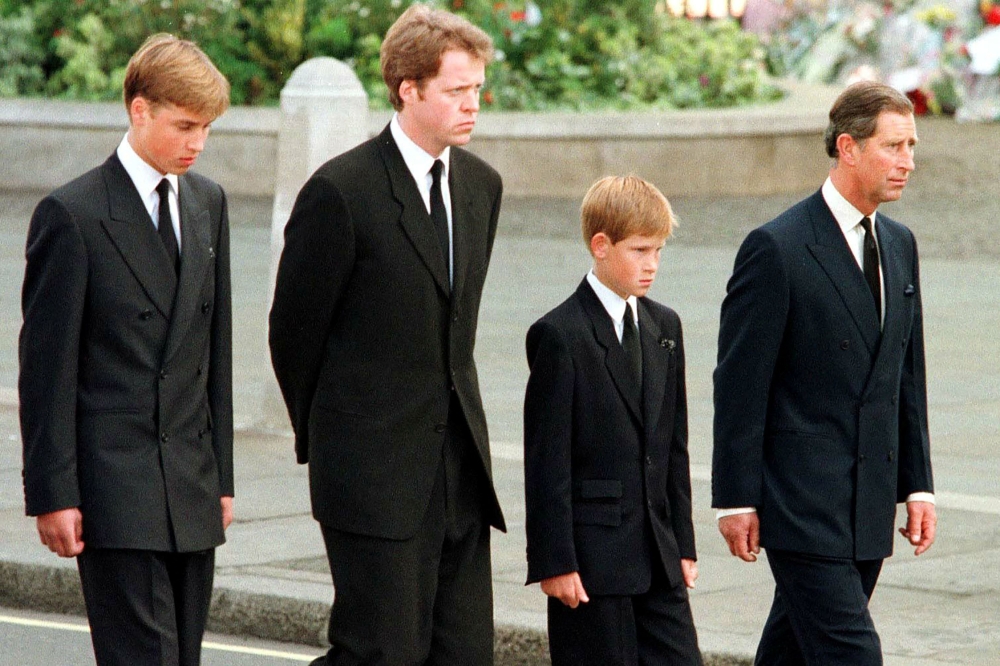
Princess Diana's brother has accused King Charles III of a "callous reaction" following Diana's death. This claim, reported by Malay Mail Life on September 18, 2026, details a string of criticisms. The Palace has reportedly responded to these accusations. Such disagreements within the royal family have often become public. The nature of modern media amplifies their impact, ensuring widespread coverage.
From a financial perspective, royal events, celebrations, and even controversies can necessitate security and public relations expenditures. Each public statement or accusation can trigger new cycles of media coverage, prompting official responses and security measures. The question for many, both in the UK and in Commonwealth nations, concerns the returns on these consistent outlays. Historically, royal events have been framed as generators of tourism and national pride. However, quantifying the economic benefit against the cost of constant engagement with internal disputes is challenging. The financial returns from royal tourism are sometimes asserted to be substantial, but tourists are drawn by the history and institutions more than by specific family members or their private disagreements.
The cost of royal attention
Consider the operational expenses associated with managing the public image of a monarchy. Every official response, every security detail for appearances linked to these controversies, draws resources. These resources could otherwise be directed towards public services, infrastructure, or social welfare programs. The argument that the monarchy generates soft power or tourism revenue is an assertion often made by royal households and their supporters. However, the exact proportion of these revenues that can be directly attributed to the monarchy, separate from the broader appeal of a nation's history and culture, is not typically detailed in publicly available accounts. Moreover, negative publicity from internal strife risks eroding any such soft power, creating a perception of instability rather than enduring tradition.
For an everyday economy writer, the focus is on how national narratives affect monthly budgets. While direct taxes from most Asia-Pacific citizens do not flow to the British monarchy, the principle remains: when significant national attention and resources are diverted to managing royal controversies, other priorities may receive less focus. Public attention is finite. When media cycles are dominated by palace disputes, less space remains for discussions on economic policy, social reforms, or regional development pertinent to the average citizen's financial well-being. This suggests a redirection of public discourse.
The recurring cycle of royal family disputes can function as a continuous, indirect draw on public attention and potentially on state resources.
The counterargument often presented is that the monarchy provides continuity and a sense of national identity that is invaluable. This perspective, often held by those who prioritize cultural heritage and traditional institutions, suggests a different kind of return. However, the value of this continuity can be undermined when the institution becomes entangled in prolonged, public disagreements. The sustained public interest in these stories, as evidenced by their prominence in media outlets like Malay Mail Life, suggests widespread engagement. This engagement, however, comes with a cost—a cost not always measured in direct currency, but in diverted attention and the deployment of state mechanisms to manage narratives.
Looking ahead, the pattern of public accusations and palace responses is likely to persist. Future controversies will continue to draw substantial public and media resources, given the historical precedent and the established media appetite for such stories. The question for governments and citizens globally is whether the ongoing spectacle of royal family disputes will continue to be a cost they are willing to bear, both financially and in terms of public focus.
Sources
Newsletter
Pacific Daily
A curated briefing from Thailand, Asia-Pacific and the world.