Reimagining the Workspace: Asia's Offices Adapt to the Remote Revolution
From flexible layouts to home-like comforts, the pandemic has reshaped how major Asian cities design their professional spaces.
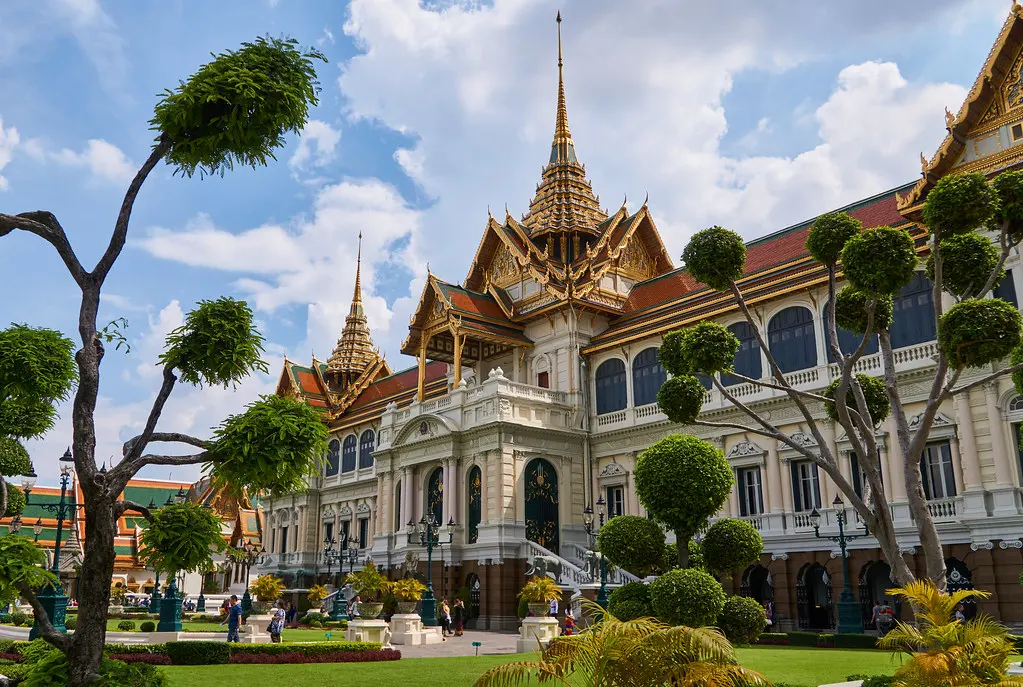
SINGAPORE
The hum of a bustling office, once a definitive soundscape of Asia's economic powerhouses, has been irrevocably altered. The remote work revolution, catalyzed by the global pandemic, has forced a profound re-evaluation of the traditional office model across cities like Singapore, Tokyo, Seoul, and Hong Kong. As Design & Living Editor at Pacific Press, I've observed firsthand a fascinating evolution: offices are no longer just places to work, but destinations designed to entice, connect, and nurture.
At the forefront of this transformation is the ubiquitous demand for flexibility. The 'one-size-fits-all' cubicle farm is an anachronism. Today's Asian offices embrace agile layouts, featuring hot-desking, activity-based working zones, and convertible spaces. In Singapore, for instance, major tech firms are implementing 'neighbourhood' concepts, where teams have a designated home base, but individual desks are not assigned. This encourages rotation and offers employees choice – a quiet pod for focused work, a collaborative lounge for brainstorming, or a stand-up station for quick checks. This isn't just about maximizing real estate; it's about empowering employees and recognizing diverse working styles.
Tokyo, often perceived as rigidly traditional, is also seeing a shift. Companies like NTT and Fujitsu have famously adopted hybrid models, leading to a surge in demand for adaptable furniture systems. Modular partitions, height-adjustable desks, and mobile whiteboards are no longer luxuries but essentials, allowing spaces to be reconfigured daily. We're seeing a move away from fixed meeting rooms towards reservable 'collaboration hubs' and 'focus rooms' equipped with top-tier video conferencing technology, acknowledging that not all participants will be physically present.
Perhaps the most striking trend is the integration of home-like comforts into the office environment. As employees have grown accustomed to the ergonomic chairs, personalized lighting, and comfortable nooks of their home offices, expectations for their return-to-office experience have escalated. In Seoul, the design aesthetic increasingly mirrors upscale residential interiors. Think plush sofas, curated art, biophilic elements like vertical gardens and abundant natural light, and even dedicated wellness zones with meditation pods or yoga spaces. Pantry areas have evolved into sophisticated communal kitchens, offering barista-grade coffee machines and healthy snack options – fostering a sense of community that mirrors a comfortable living room.
"The office of tomorrow in Asia isn't a factory floor for tasks; it's a social and creative hub, a destination for connection and purposeful collaboration."
Wellness is no longer a buzzword but a core design principle. Air quality monitoring systems, enhanced ventilation, and access to outdoor spaces are paramount, reflecting a heightened awareness of health and safety post-pandemic. In Hong Kong, where space is a premium, companies are cleverly incorporating these elements through rooftop gardens, indoor-outdoor lounges, and even advanced air purification systems that filter out pollutants, creating a sanctuary amidst the urban density.
The strategic investment in these design overhauls signals a clear understanding among Asia's business leaders: the office must provide something genuinely better than working from home. It's about creating an irresistible 'pull' factor, not just a mandatory 'push.' This means providing superior technology infrastructure, fostering a stronger sense of belonging, and offering amenities that genuinely enhance an employee's day. The office is becoming a curated experience, a powerful tool for talent attraction and retention in a competitive global landscape.
The shift is more than aesthetic; it's philosophical. It acknowledges that work is no longer confined to a single location or a fixed schedule. The modern Asian office, therefore, must be dynamic, responsive, and deeply human-centric. As we navigate this new era of work, the evolving interiors of our city offices stand as a testament to Asia's adaptability and its unwavering commitment to innovation, shaping environments that are not just functional, but truly inspirational.
Newsletter
Pacific Daily
A curated briefing from Thailand, Asia-Pacific and the world.