Regional Pay Disparity Reflects Shifting Political Economy in Southeast Asia
The high salary of one Southeast Asian leader, noted by VnExpress International, underscores the varied incentives and opaque financial structures that underpin regional governance, presenting a distinct contrast to the economic challenges faced by many citizens.
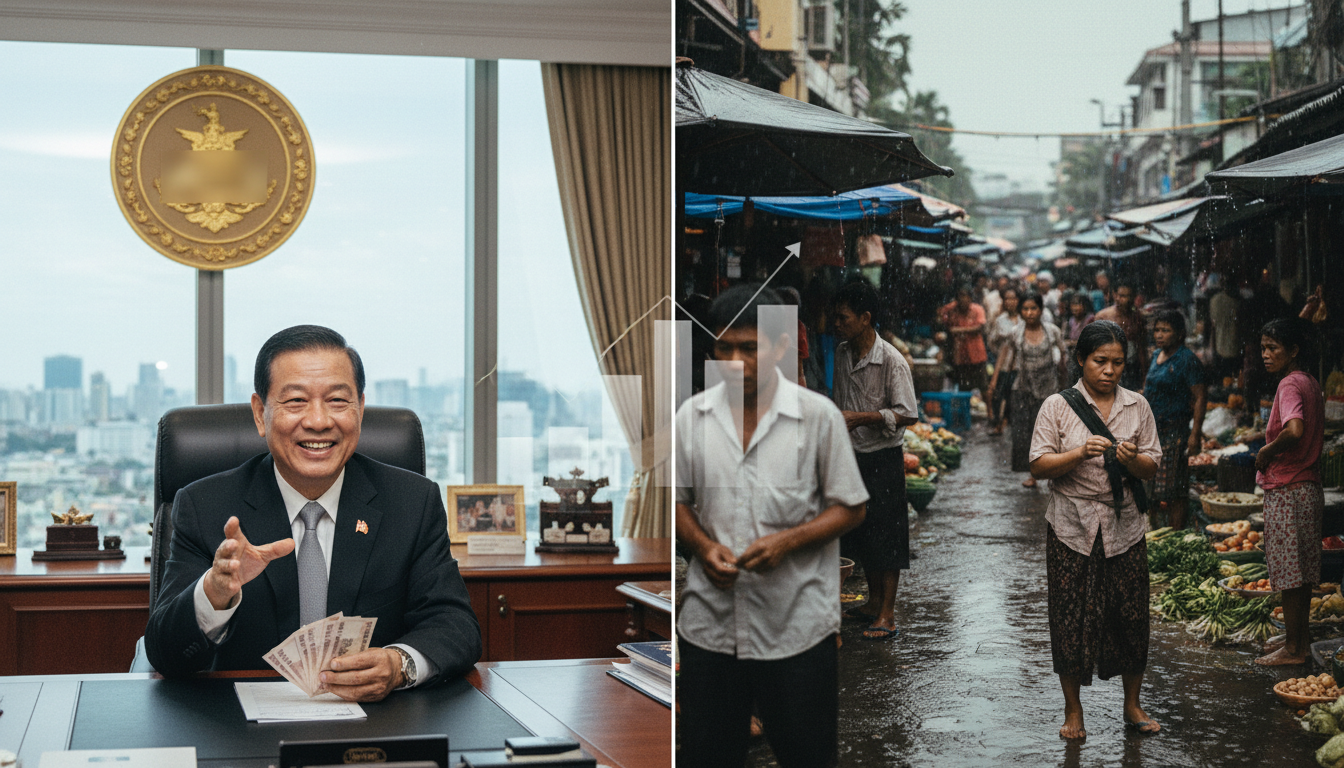
SINGAPORE
The reported annual salary of US$1.7 million for a Southeast Asian leader, documented by VnExpress International, marks a significant financial outlier within the region. This figure, more than four times the U.S. president's annual salary, reflects a specific economic valuation placed on leadership in one nation. While the precise country is not specified, this data point emerges amidst a complex and evolving geopolitical landscape.
Historically, compensation structures for regional leaders have varied widely, often reflecting national economic capacity and political traditions rather than standardized international metrics. This particular remuneration stands as a notable deviation from typical governmental pay scales across Asia, where, for instance, leaders in larger economies often receive comparatively lower official salaries relative to their nation's GDP. The scale of this salary prompts an assessment of the underlying rationales, whether they be tied to talent retention, anti-corruption measures, or other, less transparent, considerations.
The broader regional context reveals Southeast Asia as a nexus of competing external influences. Reuters reported in April 2026 on the EU's call for the region to seek alternatives to Russian oil, indicating a desire to reorient economic allegiances. Simultaneously, the Lowy Institute observed in May 2026 that strategic tensions between the U.S. and China were placing Southeast Asian nations in a bind, suggesting a delicate balancing act for regional governments. Japan, through its new leader's tour in May 2026, as noted by The New York Times, has actively pitched stability, with a particular focus on shoring up defense ties with nations like the Philippines, as detailed by The Japan Times in May 2026. The Straits Times in April 2026 highlighted an ISEAS survey indicating China's return as Southeast Asia's preferred superpower amid concerns over U.S. policy under a potential future administration.
Against this backdrop of geopolitical maneuvering and economic re-alignment, the reported leader’s salary offers a glimpse into how individual national structures may operate distinctly from regional norms. This financial outlay suggests an internal assessment of the leadership's role and value that is not necessarily aligned with broader trends of regional economic integration or shared governance principles. The absence of comparable financial disclosures from other regional leaders makes a direct comparison difficult, leaving the precise implications of this particular salary within the wider Asia-Pacific political economy an unresolved tension.
Sources
Newsletter
Pacific Daily
A curated briefing from Thailand, Asia-Pacific and the world.