Artisanal Scale: The Economic Realities of Craft in Asia-Pacific
Individual success in craft, while personally rewarding, faces inherent limitations in driving broad economic impact without significant shifts in production and market integration.
SINGAPORE
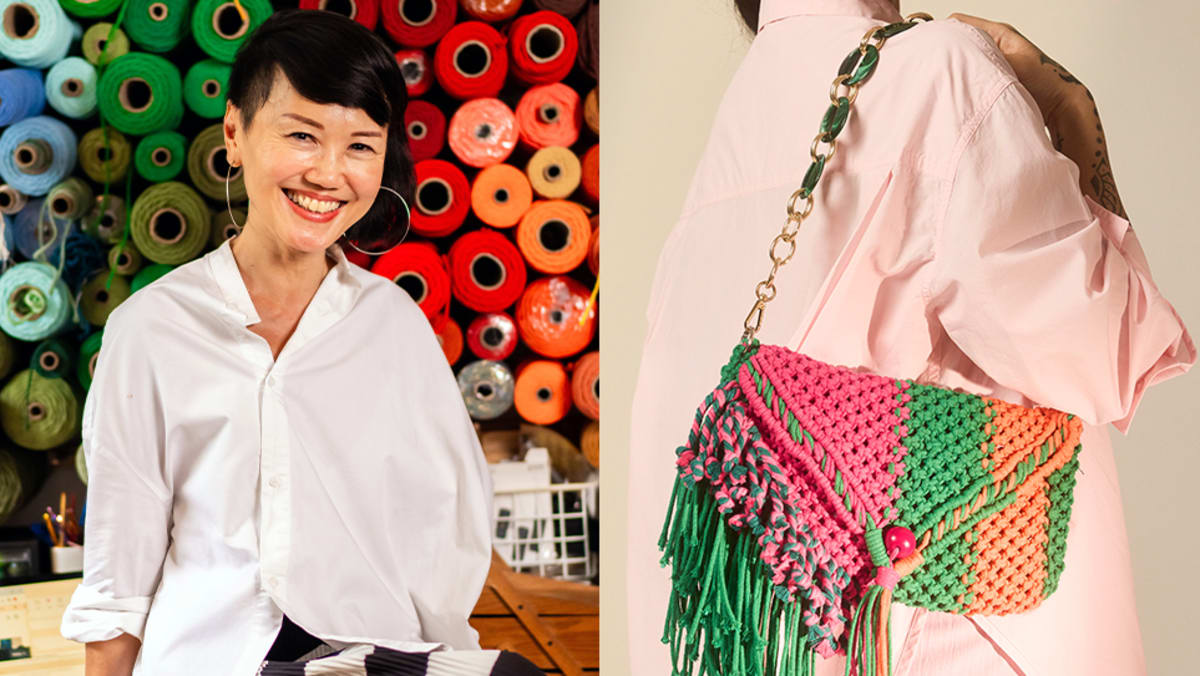
Lu-lyn Chang, in her 50s, founded Bound Designs, creating "one-of-a-kind handmade bags" through macrame. This was an activity she discovered later in life, despite previous struggles with arts and crafts. Her story, reported by CNA Lifestyle on September 16, 2026, details a personal journey of finding "calm, creativity and a new purpose." This narrative illustrates the personal rewards of artisanal work. However, the commercial implications for the Asia-Pacific region warrant closer examination.
Crafts like macrame, often characterized by their intricate, non-reproducible nature, are frequently positioned as niche luxury goods. Chang's decision to focus on unique pieces rather than identical designs reinforces this positioning. For such ventures to translate into significant economic drivers, they require either high-volume sales at accessible price points, which is at odds with "one-of-a-kind" production, or access to affluent markets willing to pay a premium for bespoke items. Scandinavian style, for instance, has incorporated hand-embellished elements into broader design trends, as noted in a publication by The New York Times in 2025, suggesting a path for artisanal integration into larger markets.
The challenge for the Asia-Pacific region lies in scaling these individual successes. While handcrafted items can command higher margins per unit, the labor-intensive production limits output. This constraint means that while an individual artisan can achieve personal financial stability and purpose, the sector's contribution to national or regional GDP often remains marginal without significant aggregation or vertical integration. Prominent fashion designers, as highlighted by The New York Times in a 2024 publication, operate on a scale that transforms design into a global commercial force, a different model entirely.
The market for "one-of-a-kind" items, while present, is also susceptible to shifting consumer preferences and economic volatility. "Asia shares [are] bound for weekly fall as bond yields, oil stay high," reported The Business Times on August 21, 2026, indicating broader economic headwinds that can impact discretionary spending on luxury crafts. Furthermore, the artisanal market often relies on effective branding and distribution channels, which are costly and complex to establish for small-scale producers.
Ultimately, while the personal stories of artisans finding new purpose through crafts are valuable, their collective economic footprint for the region remains constrained by the inherent limitations of bespoke production. The question for policymakers and investors is not merely how to support individual artists, but how to foster an environment where unique artisanal products can achieve broader commercial viability, perhaps through collective marketing or by attracting investment that can navigate the scalability challenge. Without a clearer pathway to market expansion and efficiency, the "new purpose" found by individuals like Chang, while significant personally, faces hurdles in becoming a substantial economic force for Asia-Pacific.
Sources
Newsletter
Pacific Daily
A curated briefing from Thailand, Asia-Pacific and the world.