Fuel Price Surge Intensifies Structural Economic Strain in Asia-Pacific
Persistent energy cost increases highlight a critical shift in decision-making power away from domestic policy.
SINGAPORE
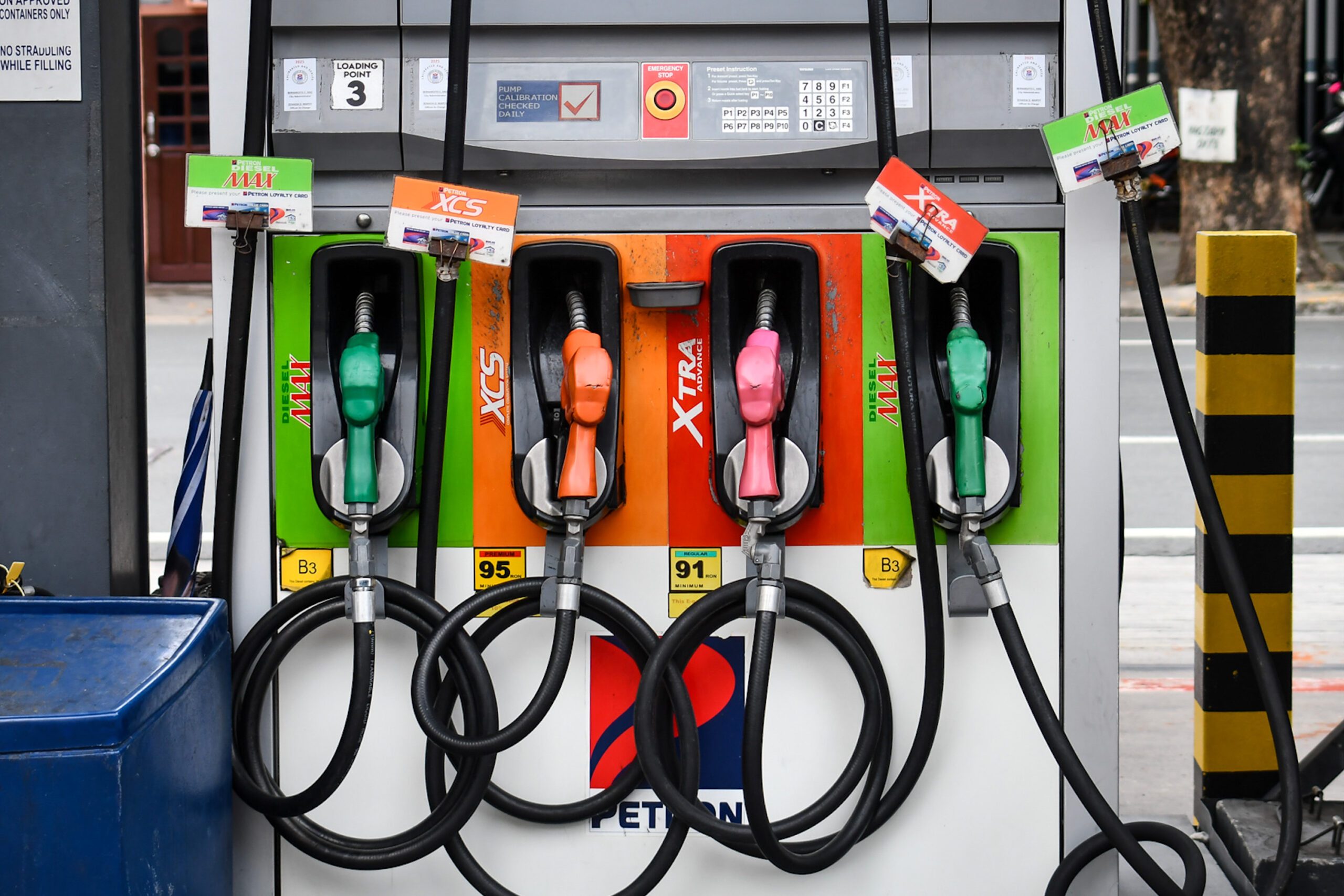
The announcement by Rappler on September 21, 2026, of a third consecutive week of substantial fuel price increases marks a structural inflection point for economies across the Asia-Pacific. Starting September 22, the Philippines will see gasoline prices rise by P4.88, diesel by P8.82, and kerosene by P6.47 per liter. While the Philippine government is reportedly considering fuel tax relief, with a recommendation for approval pending from President Ferdinand Marcos Jr., such measures address symptoms rather than the underlying shifts.
This latest surge, attributed to tight global supply and ongoing Middle East tensions, underscores a critical vulnerability. It is not an isolated event; global oil prices topped $90 for the first time in years as of March 6, 2026, according to The New York Times, and Reuters reported on July 16, 2026, that an energy price resurgence points to a September hike in European Central Bank rates. These external dynamics dictate domestic economic stability, reducing the efficacy of internal policy adjustments.
The immediate implication for households is clear. Already, food and beverage price hikes affected 4,923 items in Japan as of September 1, 2026, as reported by asahi.com. Fuel is a foundational input cost for transportation, agriculture, and manufacturing. Increased fuel prices translate directly into higher costs for goods and services, exacerbating inflationary pressures and eroding purchasing power. This effect is not contained; it propagates through supply chains, impacting small and medium enterprises disproportionately and leading to broader economic contraction.
The policy challenge is complex. Governments face a dilemma: absorb costs through subsidies or tax relief, or allow pass-through to consumers. Subsidies strain national budgets, potentially leading to fiscal instability or reduced investment in other critical sectors. Allowing pass-through risks social unrest and accelerates inflation, which could trigger tighter monetary policy responses, as suggested by RNZ on September 14, 2026, regarding potential interest rate increases due to oil price hikes. The decision-making power increasingly lies with global market forces and geopolitical events, not domestic ministries or central banks.
Critically, the current situation demonstrates that the authority to determine key economic parameters, particularly energy costs, has largely migrated from national capitals to international commodity markets and geopolitical flashpoints. While a government might implement short-term relief, the structural problem of external dependency for a fundamental economic input remains. The effectiveness of domestic policy in mitigating these impacts is constrained by the scale and persistence of global price movements. What remains unresolved is the long-term strategy for economies like the Philippines to buffer against these recurrent external shocks, and who will ultimately bear the cost of this lack of control.
Sources
Newsletter
Pacific Daily
A curated briefing from Thailand, Asia-Pacific and the world.