US Tariff Enforcement Shifts Trade Dynamics, Impacts Asia-Pacific
Intensified US scrutiny of Chinese tariff refund claims reconfigures competitive advantages for regional economies, including Thailand.
SINGAPORE
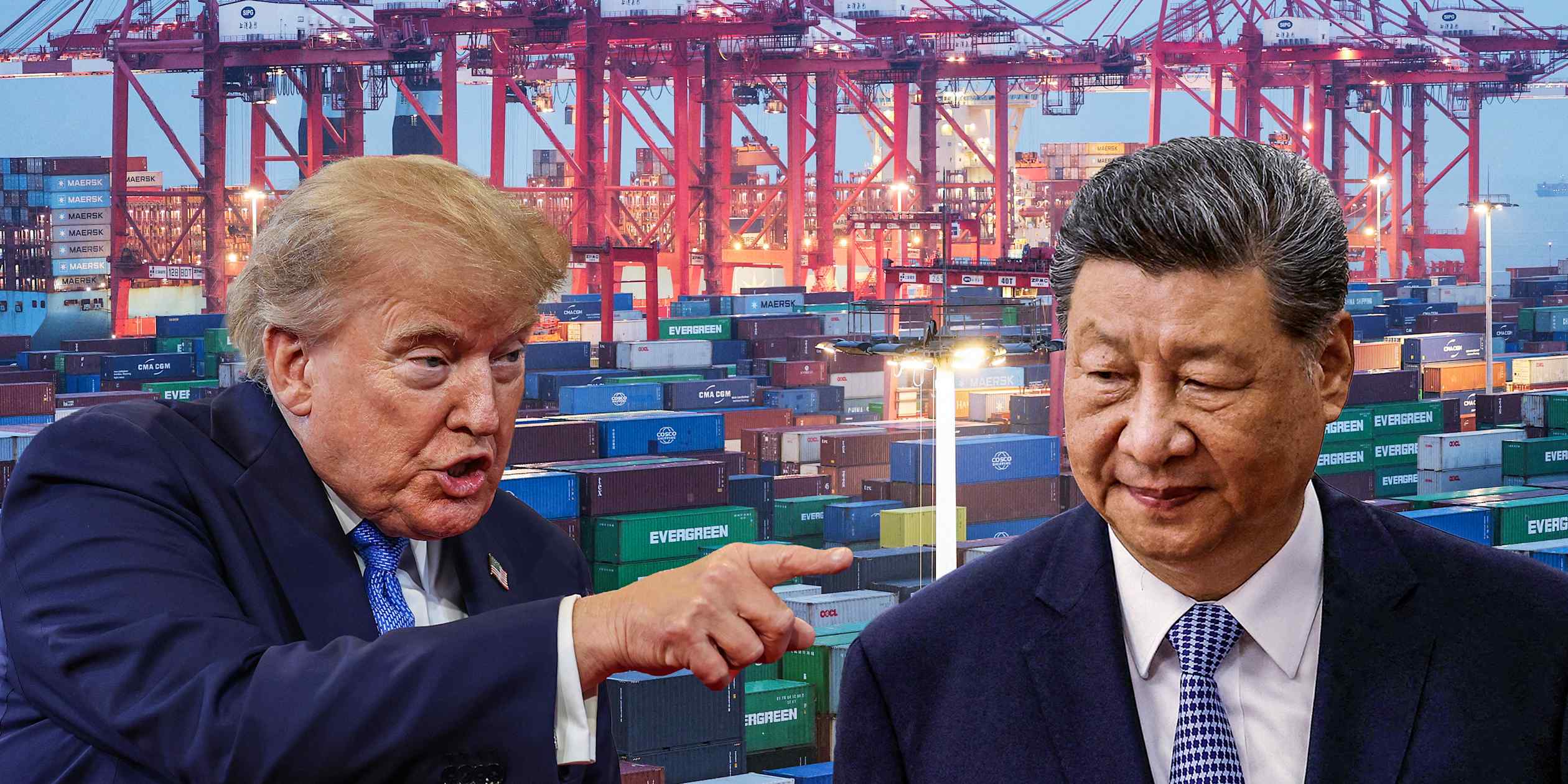
The United States’ increased scrutiny of Chinese tariff refund claims has introduced a new variable into the Asia-Pacific trade environment. This development, as reported by Nikkei Asia, deters some Chinese firms while others 'cash in,' reshaping the landscape for manufacturers and exporters in the region. The immediate impact is a recalibration of competitive advantages, particularly for nations navigating the complexities of US-China trade relations.
US enforcement measures, including new tariffs, have historically prompted evasions, as documented by Nikkei Asia. The current focus on tariff refund claims suggests a more targeted approach. Some Chinese companies, facing increased scrutiny, are reportedly deterred from pursuing these refunds, a mechanism that could otherwise offset tariff costs. Simultaneously, other firms are described as 'cashing in,' indicating an uneven application or exploitation of existing frameworks. This internal differentiation within China’s export sector points to a fractured response to US trade policy, rather than a monolithic adaptation. The underlying issue is not the tariffs themselves, but the integrity of the refund system and the varying capacities of Chinese companies to navigate this regulatory environment.
For Southeast Asian economies, including Thailand, this dynamic presents a complex set of implications. The US is actively bolstering its trade enforcement, and this, coupled with ongoing “economic wars” – a term used by China to describe US campaigns, such as efforts to cut off Iran, according to Nikkei Asia – contributes to an atmosphere of heightened trade friction. In this context, the deterrence of some Chinese tariff claims could, in theory, marginally reduce the cost advantage of certain Chinese exports in the US market. This could make products from other Asian nations, which are not subject to the same tariff structures or scrutiny, relatively more competitive. Thailand, with its established manufacturing base and diversified export portfolio, might find new avenues for market penetration in sectors where Chinese goods experience reduced tariff-related benefits.
However, the benefit is not uniformly distributed and carries limitations. The assertion that other Chinese firms are 'cashing in' suggests that a segment of Chinese industry continues to effectively navigate or exploit the refund system, thereby retaining competitive advantages. This means any gains for regional competitors would be partial, contingent on specific product categories and the success rate of US enforcement against *all* Chinese firms. Furthermore, while the US aims for deeper economic ties with Asia, as evidenced by its push for Asia to adopt its AI technology, the dominance of cheaper Chinese models remains a structural challenge, as stated by CNBC. This indicates that price sensitivity in global markets, coupled with China’s manufacturing scale, might dilute the impact of tariff scrutiny on overall trade flows.
The unresolved constraint remains the persistent tension in US-China trade relations and the selective impact of enforcement actions. The outcome now depends on the consistency and breadth of US scrutiny, alongside the adaptive strategies of both Chinese firms and their regional competitors. If enforcement effectively levels the playing field across a wide range of products, Thailand and other Southeast Asian nations could see a measurable shift in export opportunities. If, however, enforcement remains uneven, the competitive landscape will retain its current complexity, with only marginal adjustments.
Sources
Newsletter
Pacific Daily
A curated briefing from Thailand, Asia-Pacific and the world.