Record Brent Prices Show Asia's Uneven Energy Transition Burden
The rising cost of physical Brent reflects a persistent global demand for oil, highlighting the diverse energy realities and policy implications for nations across the Asia-Pacific.
SINGAPORE
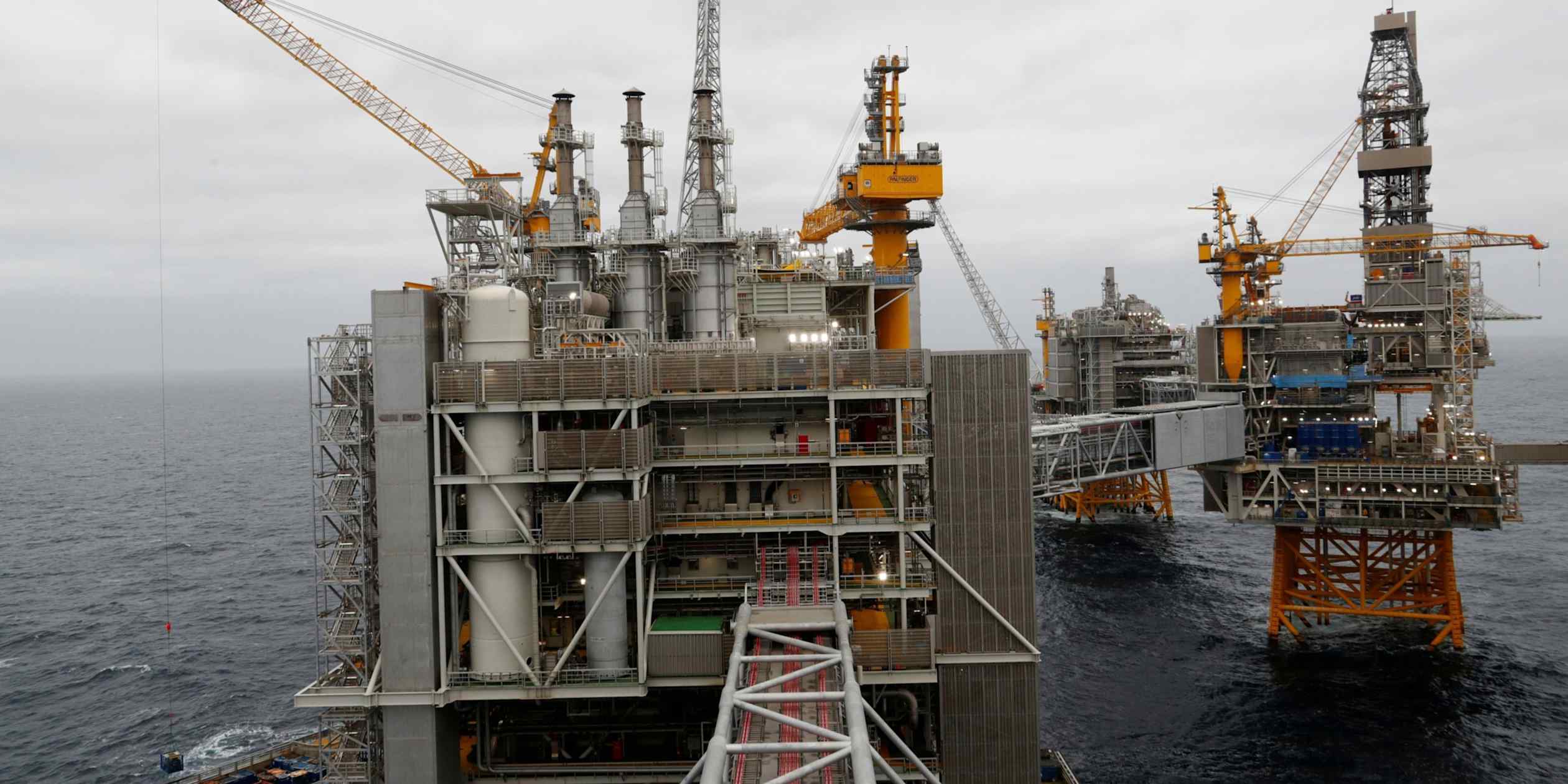
The report of a record price for physical Brent underscores a fundamental tension in global energy markets: a persistent and immediate demand for crude oil, even as many economies transition towards renewable sources. This development, reported by Nikkei Asia on October 11, 2026, reveals how urgently the world seeks petroleum now. The observation is not merely about market dynamics; it points to a significant regional disparity in how energy needs are met and how future policies might impact national economies.
For many nations in the Asia-Pacific, including Thailand, the immediate need for reliable and affordable energy often outweighs long-term climate aspirations. While some countries are experiencing rapid technological shifts, such as Taiwan Semiconductor Manufacturing Company's (TSMC) record revenue surge, which implies high energy demand for advanced manufacturing, others remain heavily reliant on traditional fossil fuels. The regional context is complex, with varying levels of development, industrialization, and access to alternative energy infrastructure. The imperative to maintain economic growth and stability can delay or complicate shifts away from established energy sources.
Policy decisions made in major economic centers, often driven by ambitious climate targets, can inadvertently shift the burden to regions less equipped to absorb immediate changes. The current price of Brent suggests that global production or supply chains struggle to keep pace with an inelastic demand. This situation forces governments to weigh the immediate economic costs of imported oil against the capital investment required for energy independence or transition. The long-term costs of climate change are undeniable, yet the short-term economic stability remains a primary concern for many developing economies.
Consider the varying circumstances across the region. Singapore, with its record population growth driven by foreign residents, faces increasing energy demands within a limited geographical footprint. Countries like Thailand balance a growing industrial base with efforts to expand tourism. These nations require consistent energy supplies, and sudden increases in crude prices directly affect their fiscal health and the cost of living for their populations. The economic impact of sustained high oil prices on these economies can impede development and create inflationary pressures, potentially exacerbating social inequalities.
While an AI boom fuels a robust pipeline for share sales across Asia, as Reuters reported on September 29, 2026, this growth is often energy-intensive. The transition to a green economy is not uniform, and the record price of Brent serves as a concrete indicator of this uneven pace. The challenge for policymakers in the Asia-Pacific is to navigate the immediate energy needs of their populations and industries while simultaneously charting a course towards sustainable energy futures. The question of which coastline ultimately pays for policies drafted far inland remains central to understanding the region's energy trajectory.
Sources
Newsletter
Pacific Daily
A curated briefing from Thailand, Asia-Pacific and the world.