Prime Minister Carney's Airport Divestment: A Recipe for Regional Volatility?
The Canadian government’s move to privatize major airports raises questions about supply chain resilience and future investment flows in the Asia-Pacific.
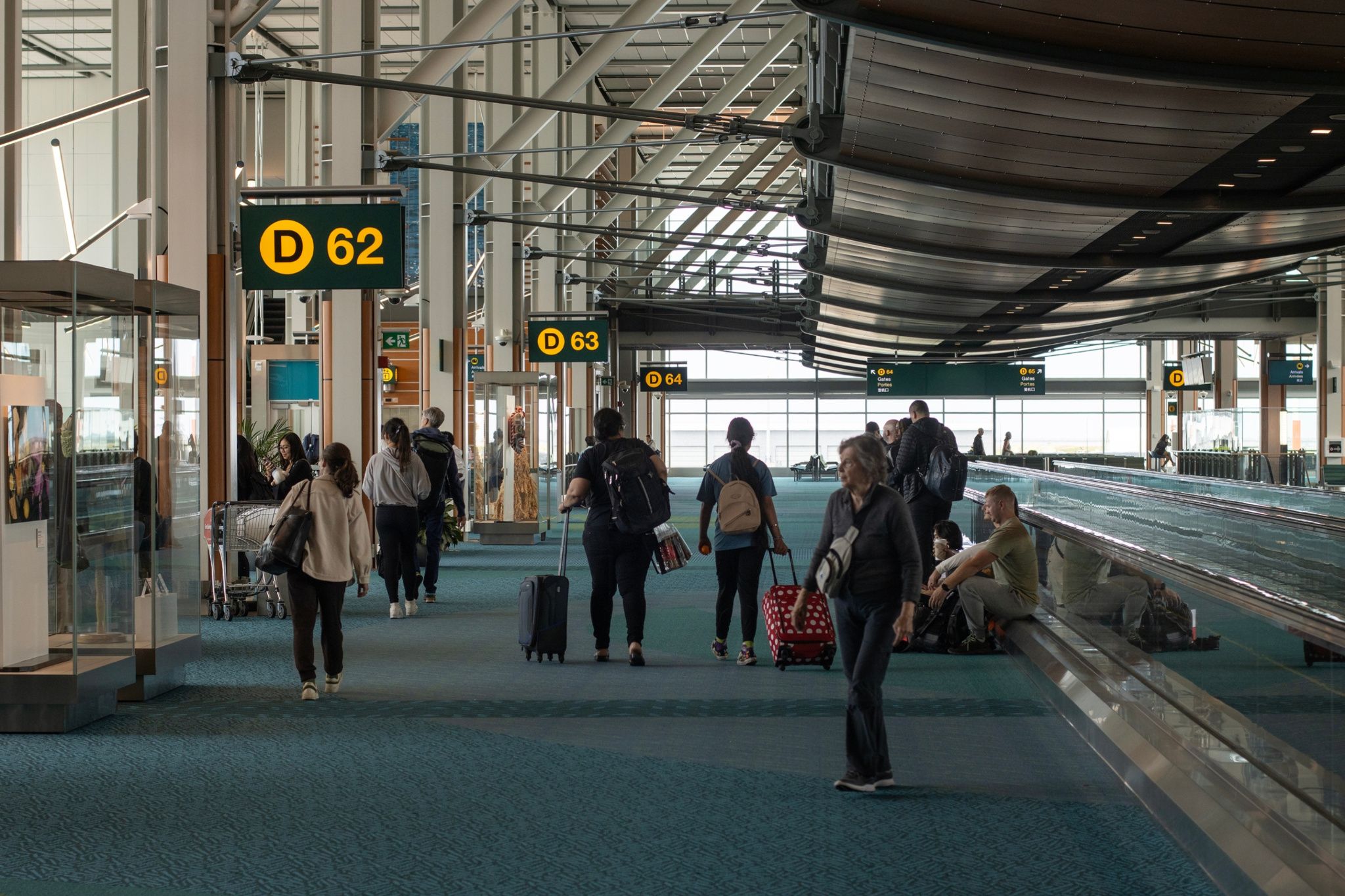
Prime Minister Mark Carney's recent announcement concerning private investment at Canada's four largest airports, including Vancouver International Airport (YVR), shifts a long-standing operational paradigm. The government, according to Carney, will retain ownership of the underlying land and assets, but seeks to bring in "new capital and expertise into their operations and growth." This decision, while framed as unlocking true value, introduces a new variable into the intricate global network of goods and services, particularly for destinations reliant on stable and predictable logistics.
For Thailand and the broader Asia-Pacific, the direct implications might seem distant, yet they touch upon the core elements of economic interconnectedness: trade routes and investment. Canada has demonstrably oriented its strategic focus toward the Pacific, pushing an Alberta pipeline to the Pacific Coast to expand oil exports beyond the US and developing an Indo-Pacific strategy. This geopolitical pivot, articulated by Carney during an Australia visit as a middle power strategy, suggests a conscious effort to deepen ties across the region. Airports, as critical junctures for both cargo and people, are central to such an ambition.
The premise of "new capital and expertise" from private investors is presented as a mechanism for efficiency and growth. Historically, private management has been cited as a way to inject dynamism into state-run entities. However, the question of who benefits from this efficiency, and at what cost to other stakeholders, remains a subject of debate. The critical infrastructure of air travel is not merely a profit center; it is a vital public utility. Should these privatized entities prioritize investor returns over broader strategic goals, the region could face increased freight costs or altered route priorities that favour higher-margin destinations. For a nation like Thailand, deeply integrated into global supply chains for everything from electronics components to agricultural exports, such shifts could impact competitiveness.
The Canadian government states its intention to retain ownership of the land and assets, an attempt to mitigate complete loss of control. Yet, the power of private operators to dictate terms, influence development, and ultimately affect the flow of goods and people cannot be understated. If the proposed private investment aims to enhance efficiency, the initial beneficiaries would likely be the investors themselves, followed by certain segments of the supply chain that can absorb potential cost increases or leverage improved infrastructure. The 'margin that survives the plate' in this context refers to the economic viability for producers and consumers further down the line.
The challenge lies in reconciling the pursuit of private profit with the maintenance of public utility and strategic national interest. While the argument for attracting external capital for infrastructure development is clear, the long-term effects on supply chain resilience and the equitable distribution of economic benefits are less so. The move to privatize elements of a critical national asset raises fundamental questions about control and influence that remain unresolved for countries in the Asia-Pacific watching Canada’s shift.
Sources
Newsletter
Pacific Daily
A curated briefing from Thailand, Asia-Pacific and the world.