Philippines Crackdown on Illegal Gaming Points to Shifting Regional Incentives
Manila's 2024 ban on Philippine online gaming operators, followed by a significant 2026 enforcement action, signals a recalibration of national policy impacting regional illicit finance flows.
SINGAPORE
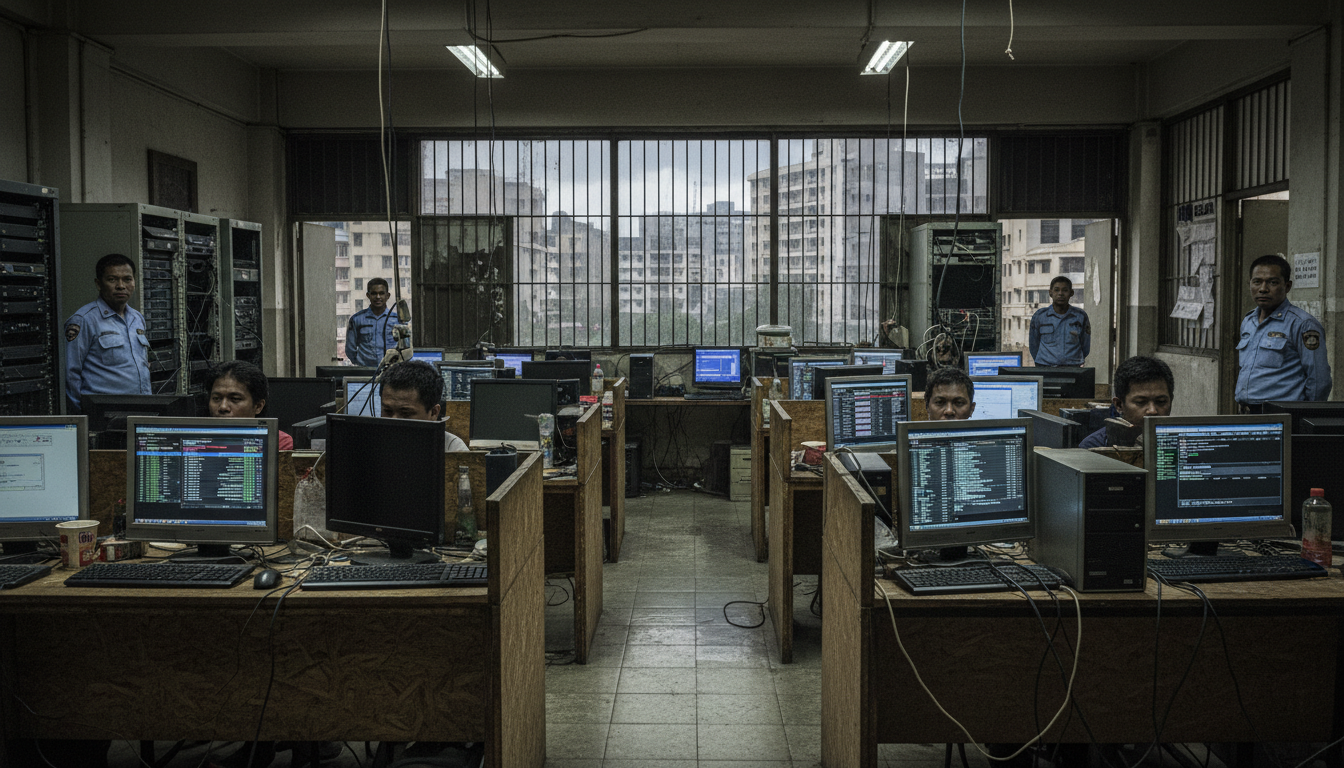
Philippine authorities arrested 244 foreign workers in October 2026. This action follows Manila's 2024 ban on Philippine online gaming operators, or POGOs. The ban was implemented because organised crime groups reportedly used these operations for human trafficking, money laundering, online fraud, kidnappings, and murder. The ongoing arrests underscore a systemic shift in the Philippines' approach to an industry that once generated revenue.
This is not merely a law enforcement exercise; it is an economic and political reorientation. The 2024 ban itself was an acknowledgement of severe negative externalities associated with the POGO industry. While specific revenue figures are not available, the fact that a ban was implemented suggests the perceived costs of these operations, in terms of law enforcement burden and reputational damage, began to outweigh their economic benefits. The 244 arrests highlight that despite the ban, the underlying incentives for illegal online gaming persist, compelling law enforcement to act with increasing intensity.
The incentive structure driving these operations – the promise of illicit gains – has not been eliminated by the ban. Instead, the risk profile has changed, pushing operators further underground or, hypothetically, to other jurisdictions. The continued presence and scale of these operations, as indicated by the 244 arrests, suggest that the Philippines remains an attractive base for such activities, even under prohibitive conditions. The military and other law enforcement agencies raided two addresses, indicating the organised nature of the targets.
From a regional perspective, intensified crackdowns in one jurisdiction typically induce a shift in activity to adjacent areas with more permissive environments or weaker enforcement. This effect, often termed the 'balloon effect,' could prompt illegal online gaming and associated illicit finance to relocate within Southeast Asia. Thailand, with its established online gaming scene and proximity, could foreseeably become a destination for such displaced operations, absent its own preemptive policy or enforcement responses. The economic incentives for countries to host such operations, even illicit ones, can be substantial, creating policy dilemmas across the region.
However, a counterargument is that the Philippines' aggressive stance could deter new entrants or force existing illegal operators to reconsider their regional presence altogether, rather than merely shifting locations. The scale of the 2026 crackdown sends a clear signal about Manila's resolve. This could elevate the perceived risk across the entire regional illicit online gaming landscape, rather than simply relocating the problem.
The outcome of Manila's sustained enforcement effort will depend on the consistency of its crackdown and the corresponding policy responses, or lack thereof, from other regional governments. The central question remains whether this Philippine action represents a singular national clean-up or the beginning of a broader regional reevaluation of the costs and benefits of the illicit online gaming sector.
Sources
Newsletter
Pacific Daily
A curated briefing from Thailand, Asia-Pacific and the world.