Pacific Island Youth Olympics Push Reveals Persistent Sporting Disparities
Preparations for the 2026 Summer Youth Olympic Games highlight an enduring imbalance in regional athletic development, even as some island nations mark historic participation.
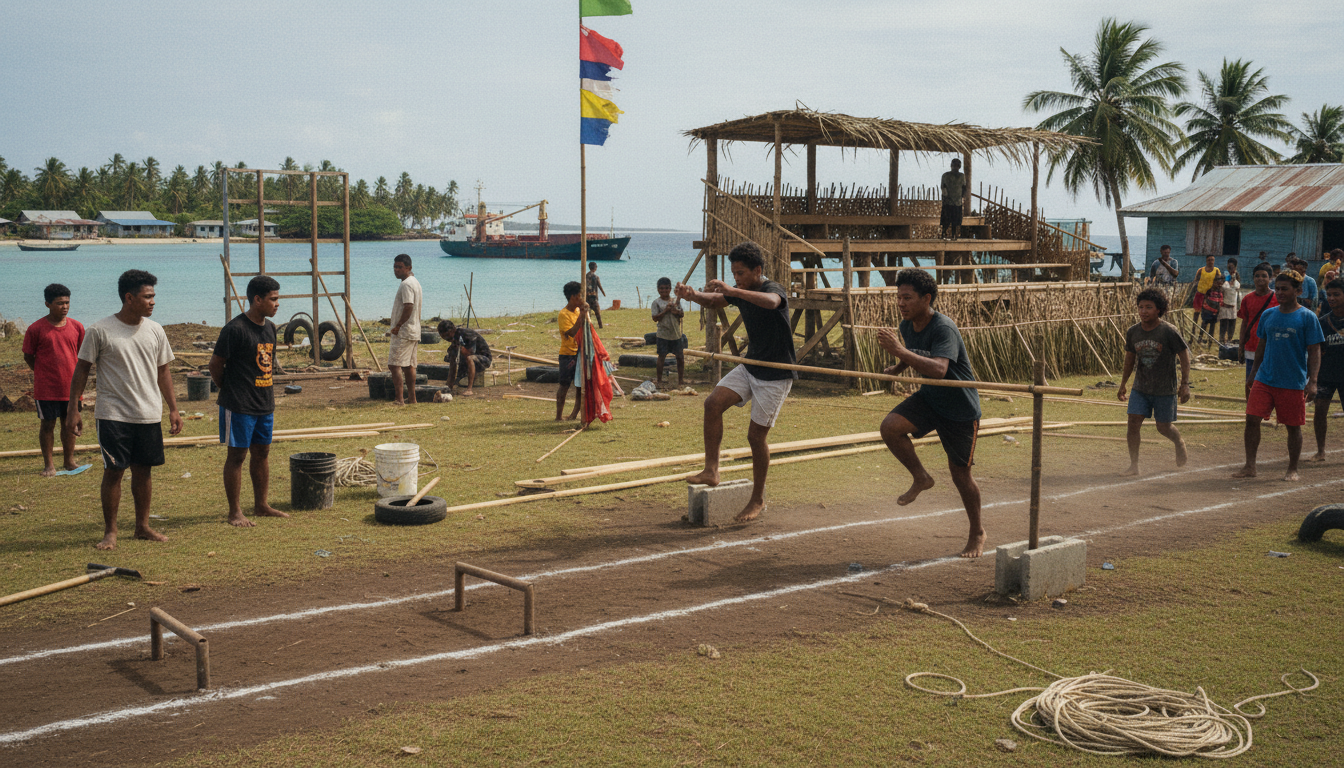
Pacific Island nations are in the final stages of preparing their contingents for the 2026 Summer Youth Olympic Games in Dakar, Senegal. The Cook Islands, Fiji, Samoa, Solomon Islands, Papua New Guinea, and Tonga have confirmed teams for the meet. Athletics and swimming are the two major sports most island teams will compete in. Other sports they will have representation in include beach handball, 3x3 basketball and boxing. Fiji has named 29 athletes, while the Cook Islands confirmed 13 will make up three different sports teams for the event. Two teams in particular will be creating history at the event, becoming the first from their respective countries to compete.
This participation, while a positive step for individual nations and athletes, underscores a broader, long-standing dynamic within global sport: the concentrated nature of resources and opportunity. The fact that two teams are making historic debuts for their nations in 2026 reflects a delayed integration for some into the international sporting calendar. For many Pacific Island athletes, the primary pathway to elite competition, including the Olympic Games, has historically involved representing other, larger nations. This was evident during the Paris Olympics in 2024, where several athletes of Pacific Island origin competed under different national flags.
The structural challenge lies in the disparity of sporting infrastructure and sustained development pathways. While individual athletic talent is present, the support systems required for consistent high-performance training, coaching, and international exposure often fall short in smaller island economies. The focus on athletics and swimming by most island teams for Dakar reflects where foundational sports investment may be concentrated, or where natural talent can be cultivated with relatively fewer resources compared to team sports requiring extensive facilities. The inclusion of new sports like breakdancing, which saw PNG's B-boy Fly 40 targeting Olympic glory in 2024, indicates evolving avenues, but these remain individual success stories rather than systemic shifts.
From a regional strategy perspective, the question arises: which coastline pays for a policy written inland? The global sporting framework, often designed by and for larger economies, presents a significant barrier to equitable participation for smaller, geographically isolated nations. The Youth Olympics offers a valuable platform, yet the long-term impact on national sports development in the Pacific will depend on more than just isolated appearances. It will require targeted investment in grassroots programs, coaching development, and accessible facilities, ensuring that the athletic potential visible at these games can be nurtured within their home nations, rather than solely through expatriation or ad-hoc support. The current situation suggests a continued reliance on individual determination and external opportunities, rather than robust internal systems, for many Pacific Island athletes seeking global recognition.
Sources
Newsletter
Pacific Daily
A curated briefing from Thailand, Asia-Pacific and the world.