Pacific Atmospheric Shifts Expose the Fragility of Basin Resource Models
Severe rainfall deficits on the North American western rim signal broader oceanic imbalances that distort commercial planning across Pacific trade partners.
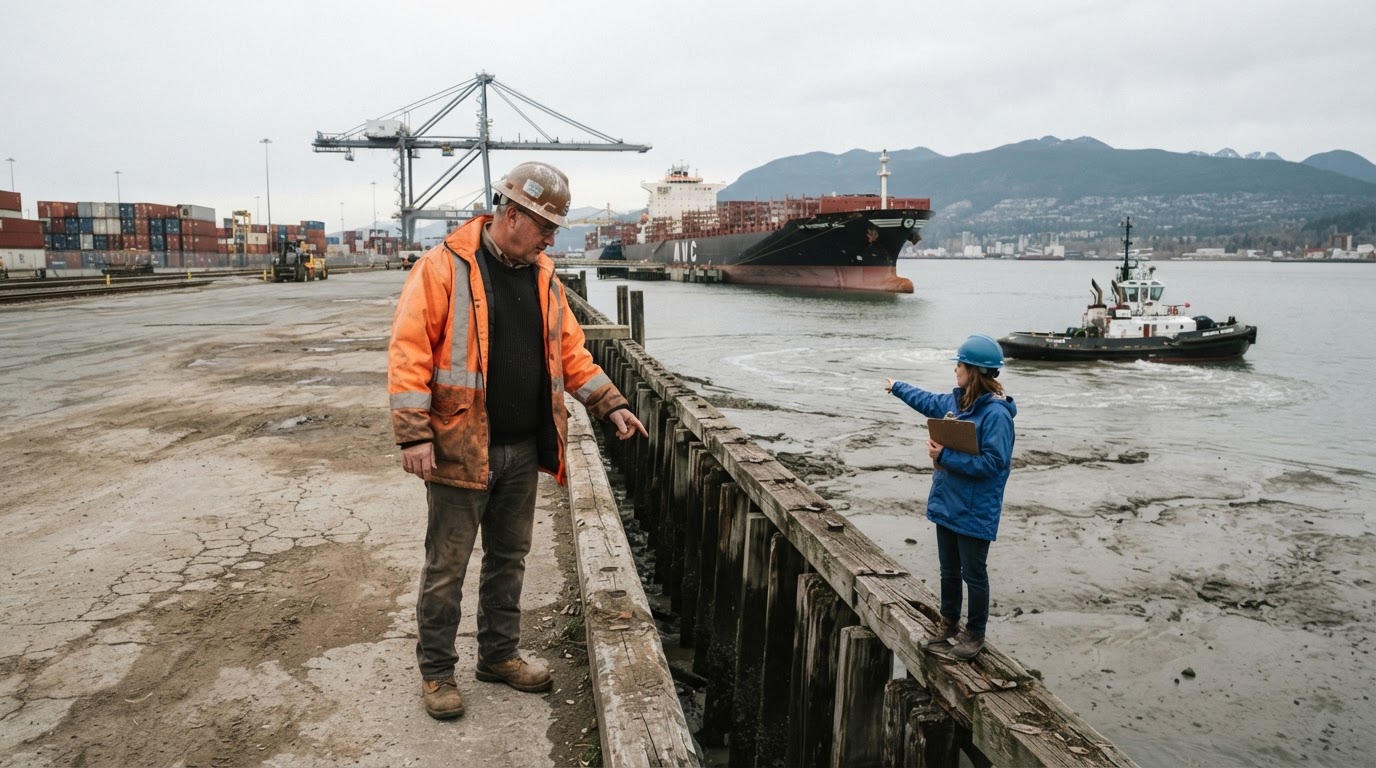
Meteorological records along the eastern rim of the Pacific Ocean often register commercial stress long before supply chains adjust. During October, monitoring stations in Vancouver documented an abrupt break from seasonal norms. Data compiled by Environment and Climate Change Canada showed Vancouver receiving just 36 millimetres of rainfall against a normal of 180 millimetres. Neighbouring Pitt Meadows recorded 41 millimetres over the same stretch. Steve Boily from Environment and Climate Change Canada observed that October was projected to see about one-third of what a normal month would in terms of precipitation across both stations, even with precipitation recorded after Oct. 27 factored into late totals. This gap represents an immediate operational disruption for regional infrastructure built around heavy autumn downpours.
Temperature shifts accompanied this prolonged dry spell. Boily noted that regional readings deviated upward alongside persistent clear skies, with warmth extending toward Alaska and the Yukon. Atmospheric anomalies on such scale do not stay local. Super El Niño conditions breaking sea temperature records across the wider ocean alter pressure systems from the Canadian coast to the maritime corridors of the western Pacific. Warmer oceanic water fuels tropical storm patterns while simultaneously starving northern coastal basins of standard autumnal precipitation. Weather systems across the ocean basin operate as coupled machinery, meaning a deficit on the eastern boundary reflects systemic thermal dislocation elsewhere.
Shifting Capital Allocations
Hydroelectric output, agricultural logistics, and industrial cooling systems throughout the Pacific rim rely on predictable water balances. When northern drainage systems fall short by over a hundred millimetres within thirty days, operating assumptions for shipping drafts and seasonal reserves deteriorate. Continental rail corridors and coastal terminals, designed around predictable precipitation cycles, face sudden wildfire exposure or dust suppression requirements that raise maintenance budgets. Industrial facilities configured for abundant hydrological throughput must throttle operations when ambient freshwater volumes decline.
Sovereign balance sheets are responding directly to these oceanic realignments. Australia and the United States directed $580 million toward supporting Pacific Island nations, reflecting the urgency of regional climate stabilisation. While diplomatic funds attempt to bolster frontline island defences against intensified storms, commercial operators must self-insure against the opposite problem: severe regional dryness along continental export nodes. Capital expenditure programs that budgeted for steady run-off now require unplanned hydrological redundancy. Treasury desks across Asia that finance trans-Pacific cargo movements increasingly confront climate volatility not as a distant policy issue, but as an immediate balance-sheet liability.
"[The] average minimum, average maximum, or even average mean are one to two degrees above normal. But it makes sense with all the sun that we had and the little precipitation."
Boily's operational assessment highlights the underlying thermal dynamic. Sustained heat anomalies across major water collection basins suppress runoff while driving up regional power demand for ventilation and cooling. Businesses that treat weather variances as transient operational friction misunderstand the structural shift. Persistent oceanic warming alters seasonal baselines permanently, imposing direct operational costs on heavy industrial facilities, timber processing plants, and trans-Pacific logistics providers. When temperature records break upstream, the financial burden cascades downstream through inflated utility bills and deferred cargo schedules.
The Realignment of Risk
Commercial planners frequently treat trans-Pacific trade as a network of fixed ports and predictable transit lanes. This calculation ignores the reality that oceanic heat engines dictate terrestrial access. If port hinterlands on the Canadian Pacific coast endure extended deficits in seasonal moisture, water storage reserves deplete ahead of subsequent production cycles. Western Pacific manufacturers depending on uninterrupted timber, mineral, and agricultural exports face delivery disruptions rooted entirely in eastern rim drought. Contractual force majeure clauses and commodity delivery schedules rarely price the systemic vulnerability of coastal river networks.
Financial markets continue to underprice this transmission mechanism. Investors track direct port throughput while overlooking the rainfall benchmarks that sustain regional power generation and river transport upstream. A recording of 36 millimetres against a normal of 180 millimetres is not a local quirk for municipal water authorities; it is an industrial stress signal for integrated supply networks. The assumption of environmental stability that underpinned decades of lean trans-Pacific logistics has broken down. Operational durability now depends on whether capital allocations account for water volatility across both coasts of the Pacific basin.
Sources
Newsletter
Pacific Daily
A curated briefing from Thailand, Asia-Pacific and the world.