Ocean hydrology exposes the limits of regional climate adaptation
Broad multilateral promises of collective resilience collide with fragmented geography across Pacific Island water systems during an intense El Niño cycle.
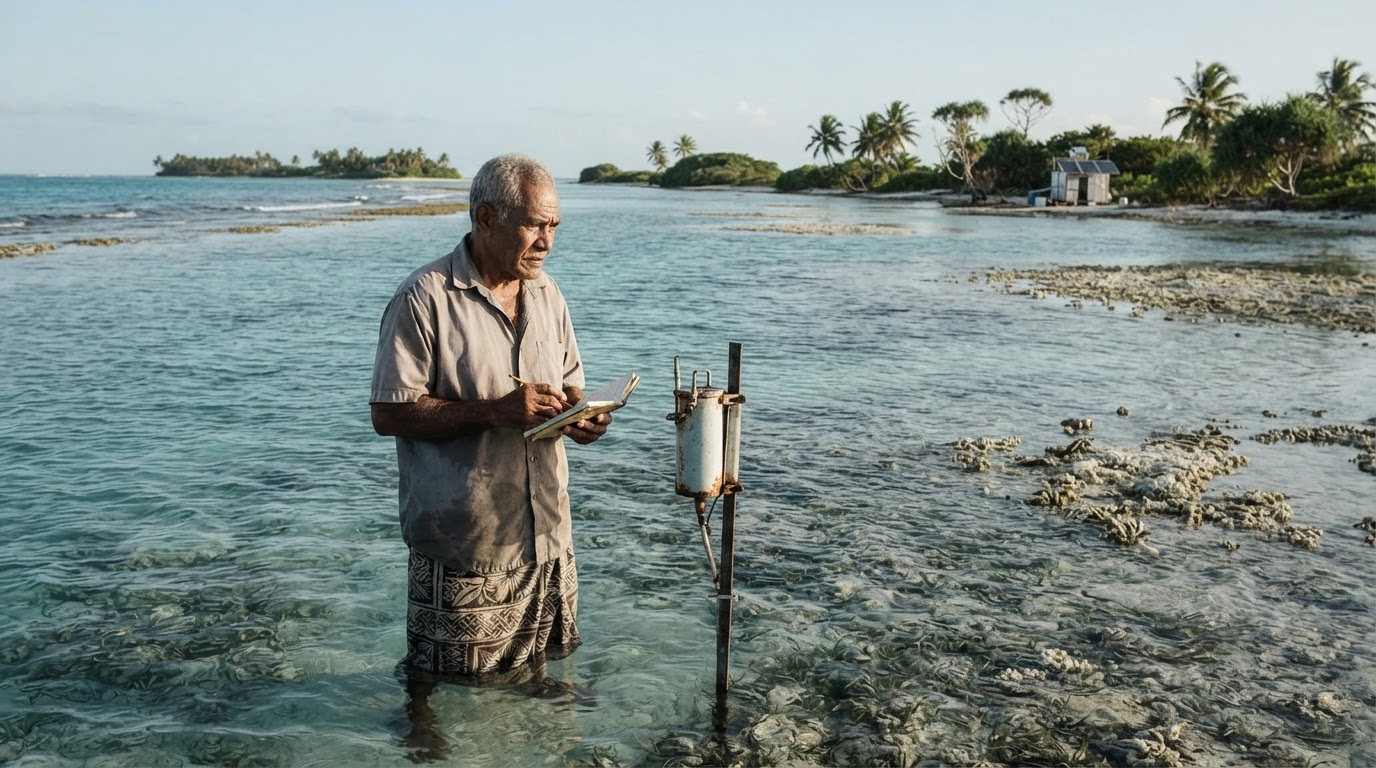
Pacific water security has long rested on an uneasy equilibrium between seasonal weather patterns and fragile freshwater lenses. That balance breaks whenever equatorial atmospheric shifts redirect rainfall away from low-lying atolls, turning local water collection into an emergency management exercise. The World Meteorological Organization records the prevailing El Niño cycle among the strongest in observation history, exposing structural limits in how island territories manage baseline consumption.
International summits routinely treat ocean territories as a single ecological bloc facing uniform exposure. The physical impact of this prolonged dry phase demonstrates that vulnerability is unevenly distributed across the Pacific rim. As Pacific Community water security and governance coordinator Dave Hebblethwaite observed, the atmospheric strain varies sharply between separate sovereign states and introduces deep disparities within single maritime borders.
Divided baselines across island chains
A national water strategy designed for high-island topography fails when applied to isolated coral formations. In jurisdictions such as the Cook Islands, environmental exposure divides along internal geographic lines. Southern Cooks communities often encounter entirely different hydrological realities from the Northern Cooks, where rainwater catchment constitutes the sole source of potable supply during protracted dry spells. Kiribati contends with parallel internal divides, as urban centres manage municipal stress while outlying outposts such as Kiritimati Island rely on vulnerable localized reserves.
Melanesian landmasses present an alternate operational dilemma. Larger mountainous terrains possess river networks and groundwater basins that atoll nations lack, yet institutional distribution systems remain frail across dispersed rural settlements. Regional governance bodies frequently promote shared technological solutions and mutual assistance frameworks to bridge these gaps. Technical cooperation through the Pacific Community provides essential monitoring capacity, but collective expertise cannot alter basic geographic distance or substitute for missing storage tanks.
The administrative friction of collective resilience
Water technology specialists maintain that island populations retain the tools required to build resilience through coordinated regional planning. This institutional optimism assumes that external logistics and resource transfers can outpace prolonged rainfall deficits. When inter-island shipping schedules slip or transport costs climb, technical recommendations produced at regional headquarters offer scant relief to isolated outer-island councils.
National authorities often deploy emergency desalination units or water rationing mandates to stem immediate shortfalls. Such interventions address headline crises in capital ports while leaving outer archipelago communities dependent on delayed relief vessels. Bilateral development initiatives frequently subsidize infrastructure projects, yet the recurrent cost of maintaining filtration equipment under corrosive marine conditions falls directly on domestic public works departments.
The strategic tension confronting Pacific governments lies in the mismatch between high-level policy frameworks and local physical isolation. Collaborative technical networks offer institutional knowledge, but physical water security remains tethered to sovereign geography and municipal maintenance capacity. Until regional resilience initiatives account for the acute logistical realities separating individual coastlines, the burden of equatorial climatic disruptions will continue to fall heaviest on the most isolated shores.
Sources
Newsletter
Pacific Daily
A curated briefing from Thailand, Asia-Pacific and the world.