New Zealand Cricket Squad Reshuffle: A Microcosm of Asia-Pacific Sporting Dynamics
The selection choices for New Zealand’s ODI series against India underscore evolving competitive pressures and player management challenges in international cricket.
SINGAPORE
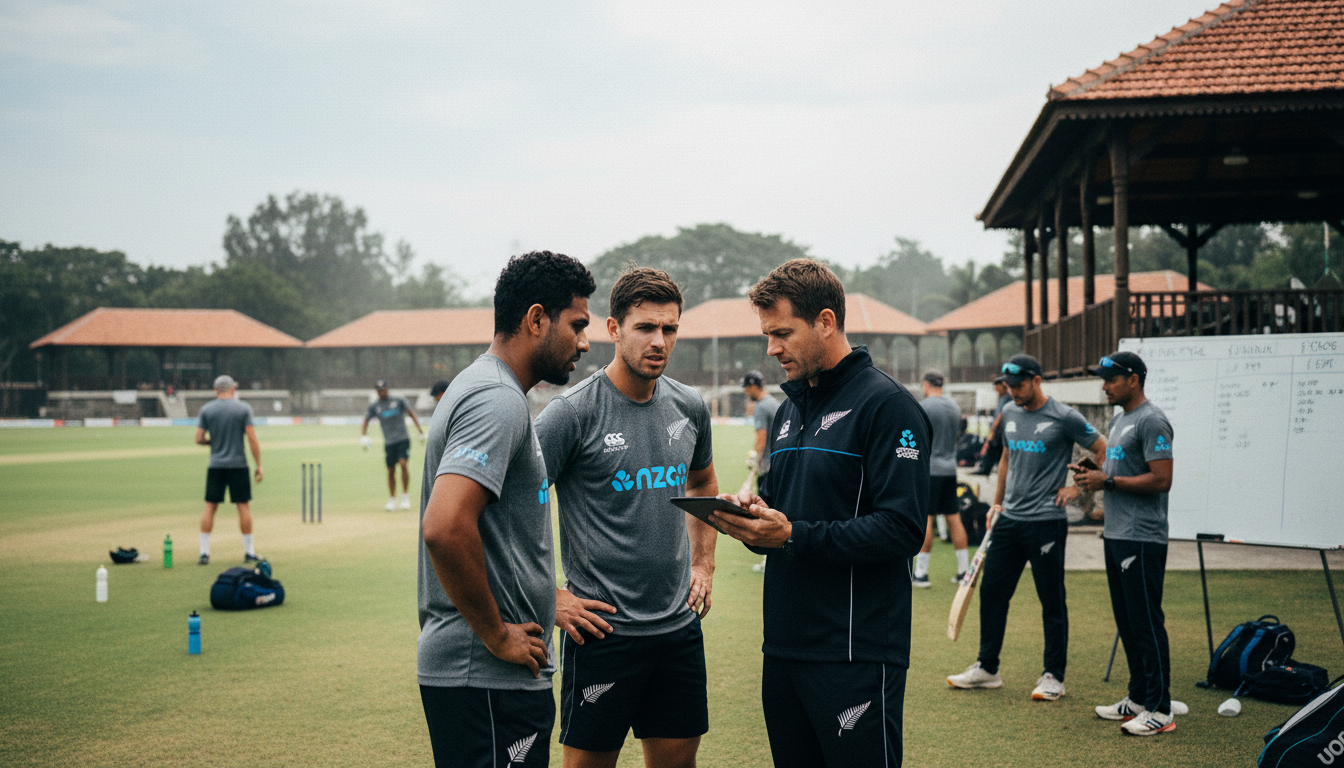
The New Zealand cricket board’s recent squad announcement, featuring the return of Finn Allen, Lockie Ferguson, and Tim Seifert for the upcoming One Day International series against India, signals a tactical adjustment. Rachin Ravindra also returns after dislocating his right shoulder during a promotional shoot last month. This roster change is not merely an internal team matter; it reflects broader shifts in how regional sporting bodies balance immediate performance needs with player welfare and long-term talent development, particularly in a sport like cricket with significant economic and cultural ties across the Asia-Pacific.
Allen and Ferguson have not participated in a 50-over match for New Zealand since 2023, while Seifert's last ODI appearance was in 2025. Their re-inclusion suggests a strategic move to integrate experienced, albeit recently absent, players into the team against a critical opponent. Such decisions often stem from a blend of performance evaluations, injury recovery, and the desire to build depth for future international engagements. The high frequency of international tours and leagues demands a rotation of players, but it also necessitates a constant re-evaluation of squad composition. The reintegration of players who have been sidelined, whether by injury or selection, can disrupt established team dynamics or provide a necessary injection of varied skills.
What makes this particular selection noteworthy is the opponent. India holds a central position in the global cricket economy, making series against them commercially significant and intensely competitive. Performance in these series often influences player market value and national team rankings. For New Zealand, fielding a strong squad against India is a strategic imperative, not only for sporting prestige but also for maintaining its standing within the sport's ecosystem. The decision to recall three players, two of whom have been out of ODI contention for a year or more, could be interpreted as a move to bolster experience or introduce an element of surprise against a formidable rival.
Conversely, the reliance on previously established players could also indicate a lack of emerging talent ready to step into these high-stakes roles, or perhaps a preference for known quantities over unproven potential. While the recall of Allen, Ferguson, and Seifert addresses immediate squad requirements, it raises questions about the developmental pathways for younger players within New Zealand cricket. The sport's demanding schedule, with various formats and leagues, can limit opportunities for continuous development for those outside the national team's primary rotation. The balance between drawing on veteran experience and cultivating new talent remains a persistent challenge for all cricket-playing nations.
The re-entry of Ravindra, specifically after a shoulder injury sustained during a promotional shoot, highlights another dimension of modern professional sport: the increasing intersection of athletic performance with commercial obligations. While such engagements are financially beneficial for players and sporting bodies, they also introduce non-playing risks. This incident underscores the pressure on athletes to balance their sporting careers with external commitments, a common feature across professional sports in the region. The return of these players collectively illustrates the complex calculations national sports bodies undertake, navigating competitive cycles, player availability, and the strategic importance of key opponents like India. The outcomes of such selections are not solely measured in wins and losses, but also in the long-term sustainability and competitiveness of a national sporting program. The unresolved tension lies in how national federations like NZC manage player availability and commercial interests against the fundamental objective of athletic performance on the field.
Sources
Newsletter
Pacific Daily
A curated briefing from Thailand, Asia-Pacific and the world.