Netflix series highlights local beliefs, economic implications for Chiang Khan
A new drama set in Loei province could reshape perceptions, with potential impacts on local economies and the delicate balance between tradition and modern understanding.
SINGAPORE
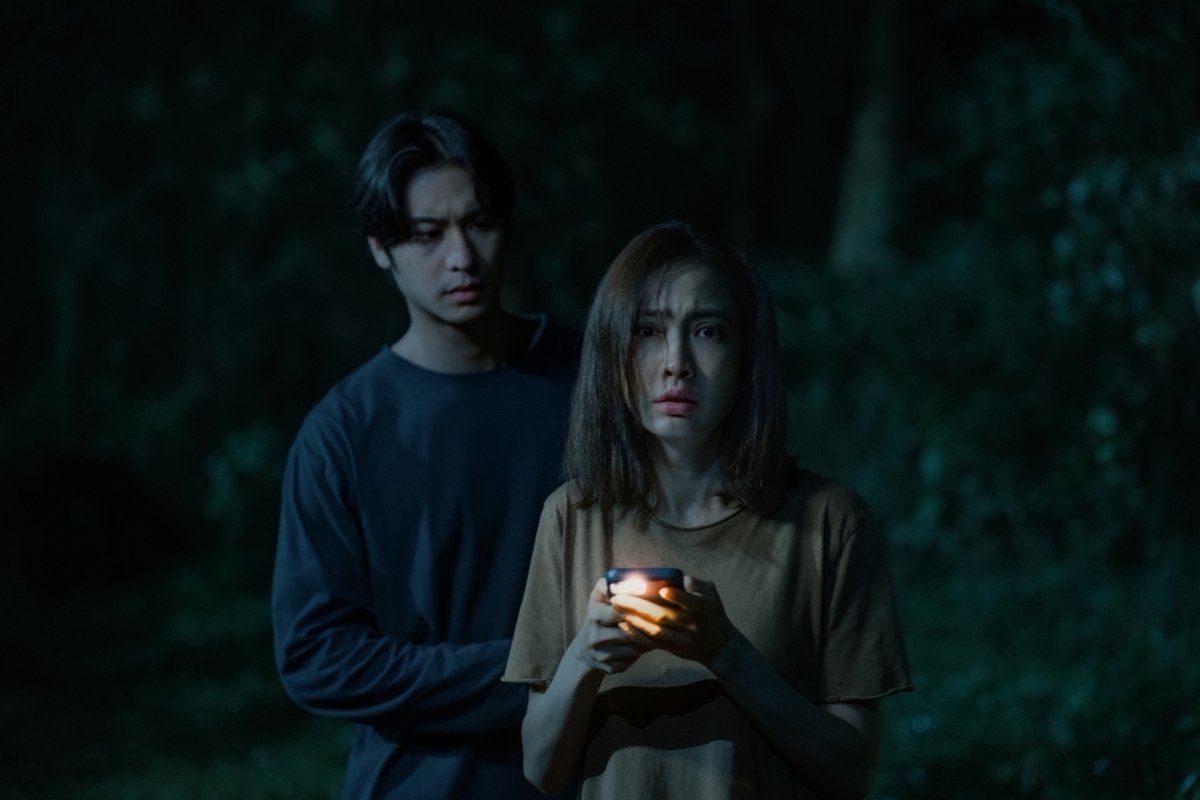
The upcoming Netflix series, Delusion, set to stream on September 24, positions northeastern Thailand's Loei province at the centre of a fictional mystery. This original series, filmed in Chiang Khan, explores the collision of dementia with the local folklore of 'Phii Pong' as a child's disappearance reawakens a decade-old fear.
For a region often overlooked by major media productions, a series like Delusion carries significant implications for its monthly budget. When a global platform like Netflix features a specific location, it frequently leads to increased tourism interest. Chiang Khan, already known for its quiet charm, could experience a surge in visitors seeking out the places depicted in the show. This influx would generate new revenue for local businesses, from guesthouses and restaurants to vendors selling local crafts. The depiction of 'Phii Pong' and the specific cultural context might also draw a particular type of cultural tourist, keen to explore the intersections of belief and everyday life.
However, there is also a counterpoint. While the series introduces a local legend to a global audience, the portrayal of 'Phii Pong' could be seen as misrepresenting or sensationalising deeply held traditional beliefs. This might lead to discomfort among some local residents who feel their culture is being reduced to a supernatural thriller. Furthermore, a sudden increase in tourism, while economically beneficial, can strain existing infrastructure and alter the social fabric of a small community. Managing this balance between economic opportunity and cultural sensitivity will be crucial for Chiang Khan.
The series also highlights an underlying tension regarding belief and truth. The Bangkok Post Life article, in its headline, asks about 'the fine line between 'belief' and 'truth'.' The narrative of Delusion pits scientific understanding – represented by dementia – against folklore. This tension is not unique to Thailand; Pew Research Center reported in 2025 that a growing share of U.S. adults believe religion is gaining influence, indicating ongoing societal negotiation between different forms of understanding. For the characters in Delusion, the difficulty of defending an elderly man with worsening dementia when suspicion settles on him due to ancient legend underlines the real-world implications of these competing narratives.
The outcome of this series, both for Chiang Khan's economy and for the broader understanding of local folklore, will depend on how its global audience engages with the nuances presented. The immediate impact will likely be an increase in visibility for Loei province. The long-term effects will be determined by whether this newfound attention translates into sustainable economic benefits without eroding the cultural authenticity that made the location compelling in the first place.
Sources
Newsletter
Pacific Daily
A curated briefing from Thailand, Asia-Pacific and the world.