Nepal's Recurring Disasters Highlight Flaws in Tourism Resilience Strategies
External relief addresses immediate crisis, but the deeper economic fragility persists
SINGAPORE
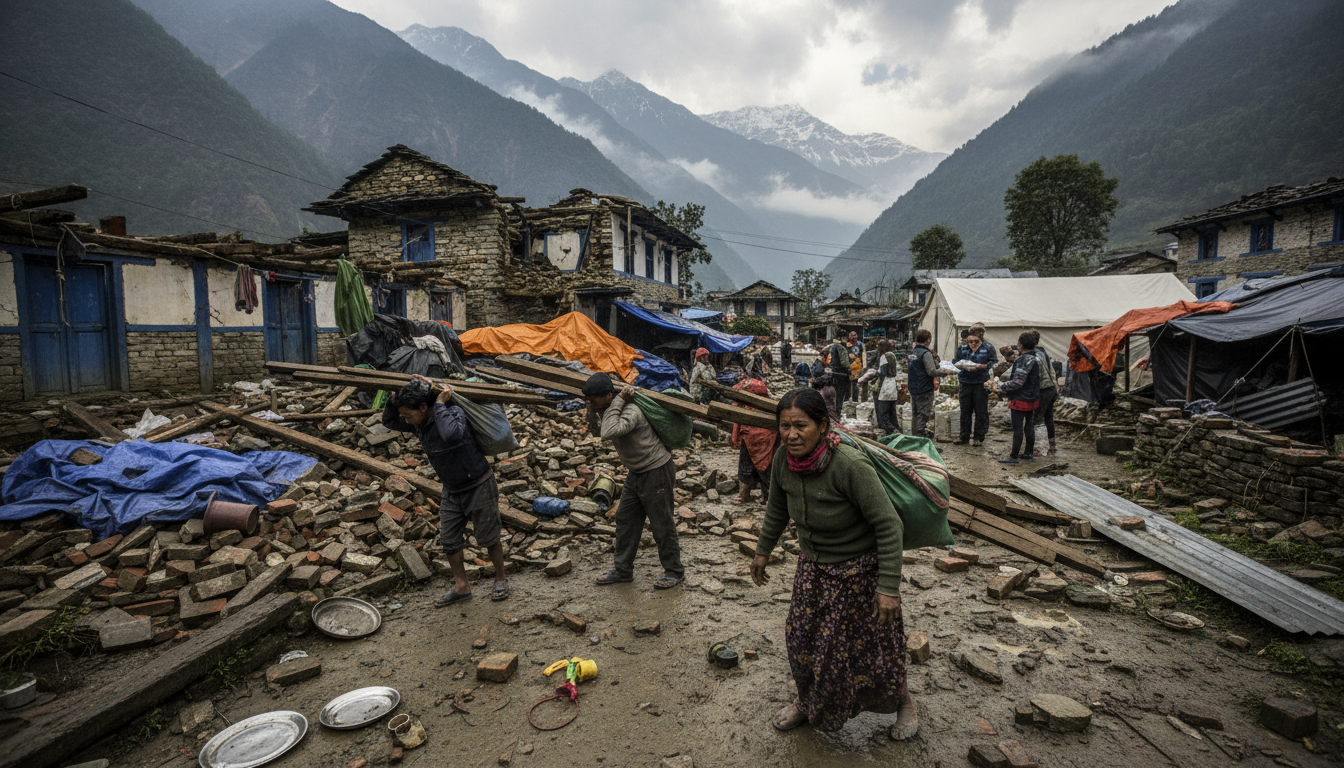
The PATA Foundation’s launch of the Nepal Tourism Recovery Fund following devastating floods on August 26, 2026, represents an immediate response to a recurring issue. The fund aims to support tourism workers and small businesses, including guides, drivers, porters, and operators of homestays, lodges, teahouses, and small hotels, whose livelihoods and property have been affected. This intervention directly addresses the immediate scarcity of resources in communities along affected river corridors.
However, this pattern of external financial injection after each natural disaster prompts a critical examination of its efficacy. The New York Times reported on September 1, 2026, that Nepal’s economy has limited means to absorb the financial burden of widespread flood damage. Such a statement suggests that the ongoing reliance on external funds for recovery, while necessary in the short term, does not fundamentally alter the nation's capacity for self-sustained recovery. The scarcity in this context extends beyond immediate material loss; it points to a structural economic vulnerability.
The United Nations Development Programme noted on June 2, 2026, the Nepal Tourism Board's work on an International Marketing Strategy and Five-Year Action Plan for 2026-2030. This initiative aims to shape the future of tourism. Yet, the strategy's projected lifespan now intersects with the immediate, unpredictable reality of a natural catastrophe. The disparity between long-term strategic planning and the urgent, immediate demands of disaster relief reveals a persistent tension in how tourism development is approached in vulnerable regions.
Efforts towards “Green, Resilient, and Inclusive Development” by the Government of Nepal and development partners have been noted. Despite such stated objectives, the 2026 floods underscore a gap between aspirational frameworks and the reality of on-the-ground vulnerability. When segments of the tourism industry, from teahouse owners to porters, face repeated destruction, the effectiveness of recovery funds needs to be evaluated beyond their immediate allocation. The question is not just how quickly funds can be deployed, but how these funds contribute to a system that requires less, not more, external intervention over time.
The challenge for organizations like the PATA Foundation is to ensure that their relief efforts facilitate a more robust, less precarious tourism infrastructure. Without addressing the underlying economic and environmental vulnerabilities, each subsequent natural disaster risks initiating another cycle of fundraising for recovery, rather than fostering a path toward genuine, long-term resilience. The immediate influx of capital is critical, but it does not, by itself, resolve the deeper issues that contribute to repeated devastation.
Sources
Newsletter
Pacific Daily
A curated briefing from Thailand, Asia-Pacific and the world.