Moscow's Health Denial Sparks US Transparency Call Amid Geopolitical Tensions
Russia dismisses reports of anti-plague measures after a laboratory worker's death, prompting scrutiny from the United States.
SINGAPORE
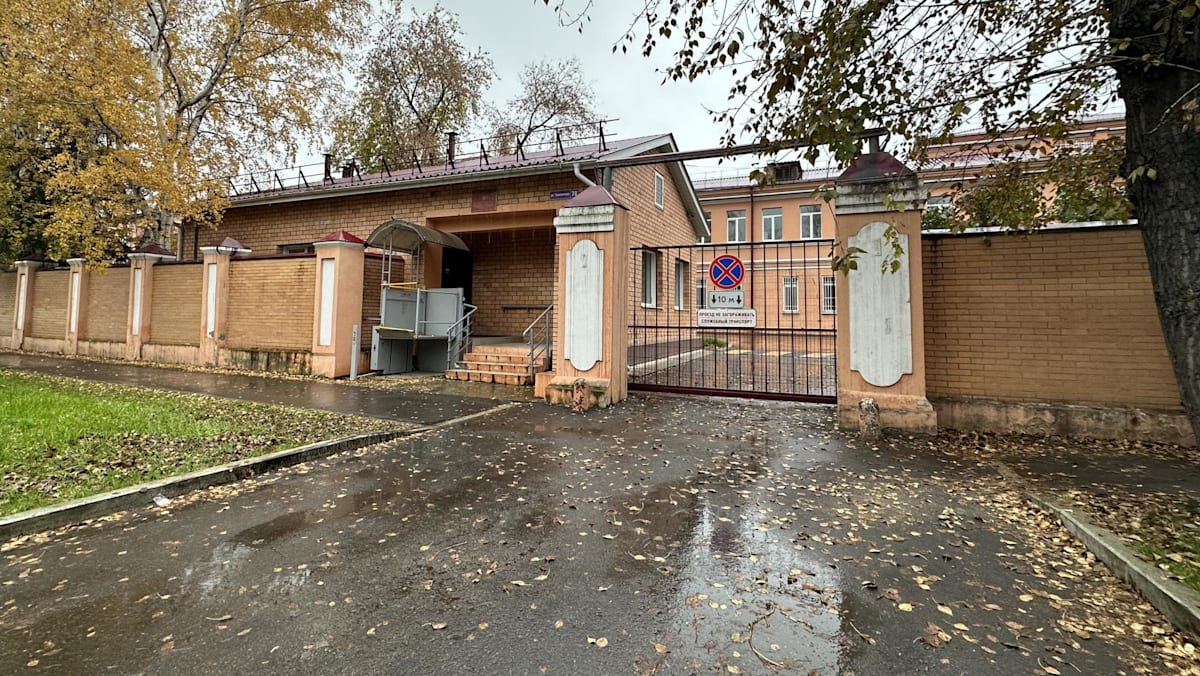
Russian authorities on Tuesday denied imposing anti-plague measures following reports that a laboratory technician died from pneumonic plague. This denial came after a worker at an anti-plague institute in Siberia’s Irkutsk region reportedly succumbed to the disease last week. Irkutsk Regional Governor Igor Kobzev stated that an inspection by the health watchdog Rospotrebnadzor concluded the woman died of pneumonia, not plague.
This official account contrasts with initial reports of a plague-related death. US Secretary of State Marco Rubio urged Russia to provide more information, calling for transparency on the situation. The request from the United States aligns with a broader pattern of US interest in Russia’s public health pronouncements, particularly concerning disease outbreaks.
The context surrounding this incident extends beyond public health. The reported death and subsequent denial occur while geopolitical tensions involving Russia remain elevated. In August, President Putin stated Russia would seize European vessels if its own ships were targeted. Russia’s diplomatic activities in the Asia-Pacific region also continue, including a recent screening of a Soviet-era film in Taipei, which drew concern from Taiwan.
While the immediate focus is on the health incident, the broader implications for the Asia-Pacific region stem from how such events are handled and perceived internationally. Transparency in public health matters can influence international cooperation and trust. A lack of clear information, or conflicting reports, risks exacerbating concerns during a period when the China-Russia-North Korea authoritarian axis is seen by some as influencing conflicts in Ukraine and Iran. The specific disease, pneumonic plague, while historically significant, is less the immediate concern than the information flow around its alleged occurrence.
The swift denial by Russian authorities and the counter-claim of pneumonia underscore the official position. The call for transparency from the United States suggests a demand for comprehensive disclosure of findings. For countries in the Asia-Pacific, monitoring public health incidents in major global powers becomes relevant not only for direct health risks but also for understanding potential geopolitical ripple effects, particularly when information is disputed. Such disputes can become points of diplomatic friction, influencing broader regional stability and international relations.
The official Russian statement attributes the death to pneumonia. The initial reports of plague and the US demand for transparency introduce an element of uncertainty into the official narrative. The reliance on official statements without further public data can create information gaps that complicate international assessments. The outcome of this specific public health clarification, or lack thereof, depends on whether further evidence emerges that either substantiates or refutes the official Russian finding.
Sources
Newsletter
Pacific Daily
A curated briefing from Thailand, Asia-Pacific and the world.