Mexico City’s Stadium Reflects Asia’s Shifting Consumer Landscape
Record demand for a single NFL game in Mexico City signals a cultural convergence that Southeast Asian cities are beginning to experience, blending global spectacle with local consumption.
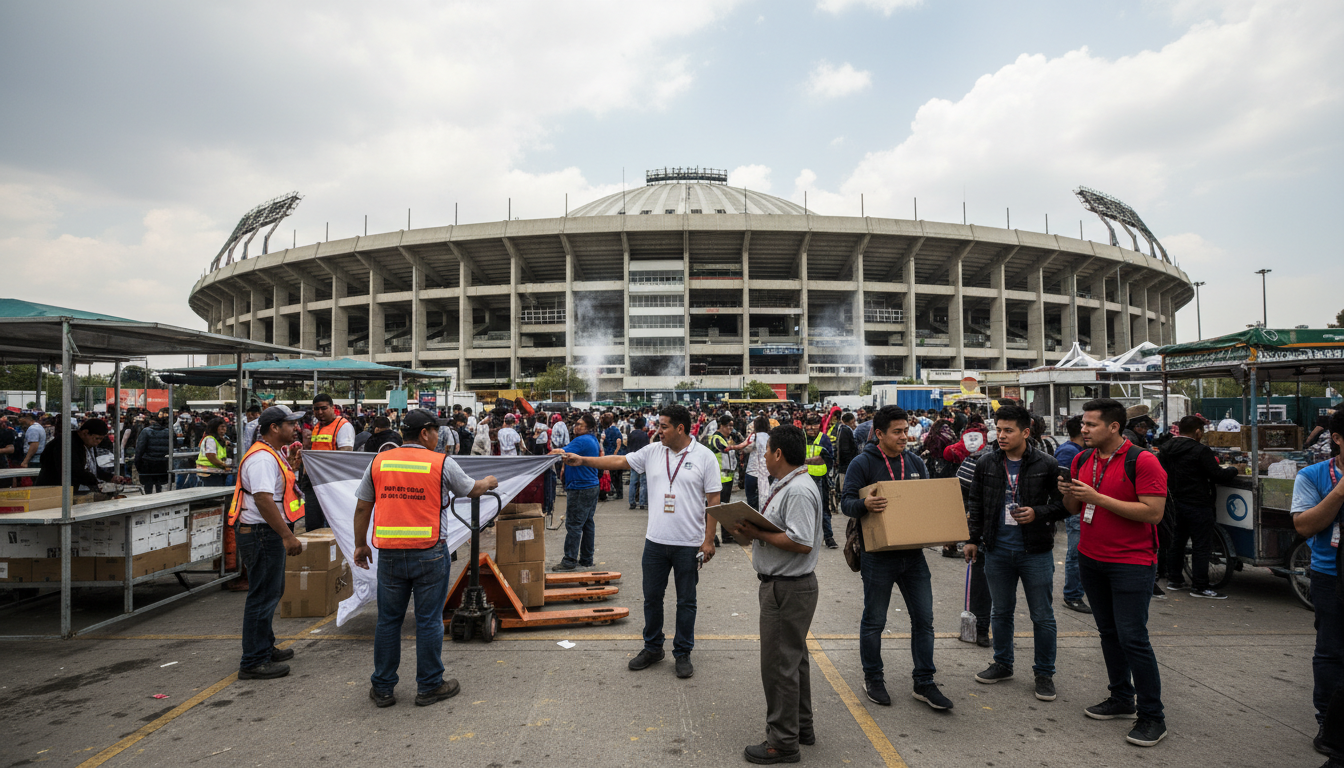
On November 22, the Minnesota Vikings and San Francisco 49ers will meet in Mexico City for a National Football League match. With tickets priced from 2,108 pesos (US $177), demand has surged beyond immediate capacity. Ticketmaster reports that nearly 840,000 fans registered for tickets more than seven weeks before the game. Based on an average purchase of 2.6 tickets per person, this suggests a potential demand of 2.2 million spectators for a single event.
This level of interest means the NFL would need to stage 27 games to accommodate all potential ticket buyers, according to Ticketmaster. This extraordinary demand highlights a specific shift: an increasing appetite for global cultural exports in non-traditional markets. A sport rooted in North American identity is drawing engagement in a Latin American metropolis. This phenomenon is not isolated; it points to a broader pattern of cultural exchange and consumer behavior that resonates with observations closer to Southeast Asia.
Cities across Asia, from Bangkok to Manila, often appear poised for similar cultural fusions. They absorb global trends while simultaneously retaining distinct local flavors. The question of which habit changed first — the global appetite for niche, imported spectacles, or the local willingness to engage with them — is a dynamic that shapes urban life. The Mexico City example suggests a robust local embrace, a population ready to invest significant time and money in experiences that, a generation ago, might have been considered culturally distant.
However, attributing this solely to a new-found globalism overlooks practical considerations. The National Football League is returning to Mexico after a four-year absence. This break contributes to a pent-up demand, rather than indicating only an organic, sudden shift in cultural taste. An earthquake of magnitude 7.3 struck off the Mexico coast in July 2026. While no direct link to the event's popularity is established, such occurrences can shift public priorities, sometimes encouraging a focus on communal, high-profile events as a form of collective experience.
This blend of factors — renewed opportunity, a latent interest, and the sheer spectacle of a major international event — shapes consumer engagement. For a city like Mexico City, hosting the 49ers and Vikings illustrates a capacity not just for large-scale events, but for integrating them into the fabric of urban life, generating significant local participation. This creates a blueprint that urban planners and cultural observers in the Asia-Pacific region can learn from, recognizing the interplay between global cultural products and local adaptation.
Sources
Newsletter
Pacific Daily
A curated briefing from Thailand, Asia-Pacific and the world.