Mekong's Dolphins Highlight Regional Strategy Gap
Localized conservation efforts face persistent challenges from upstream policies impacting a shared river system.
SINGAPORE
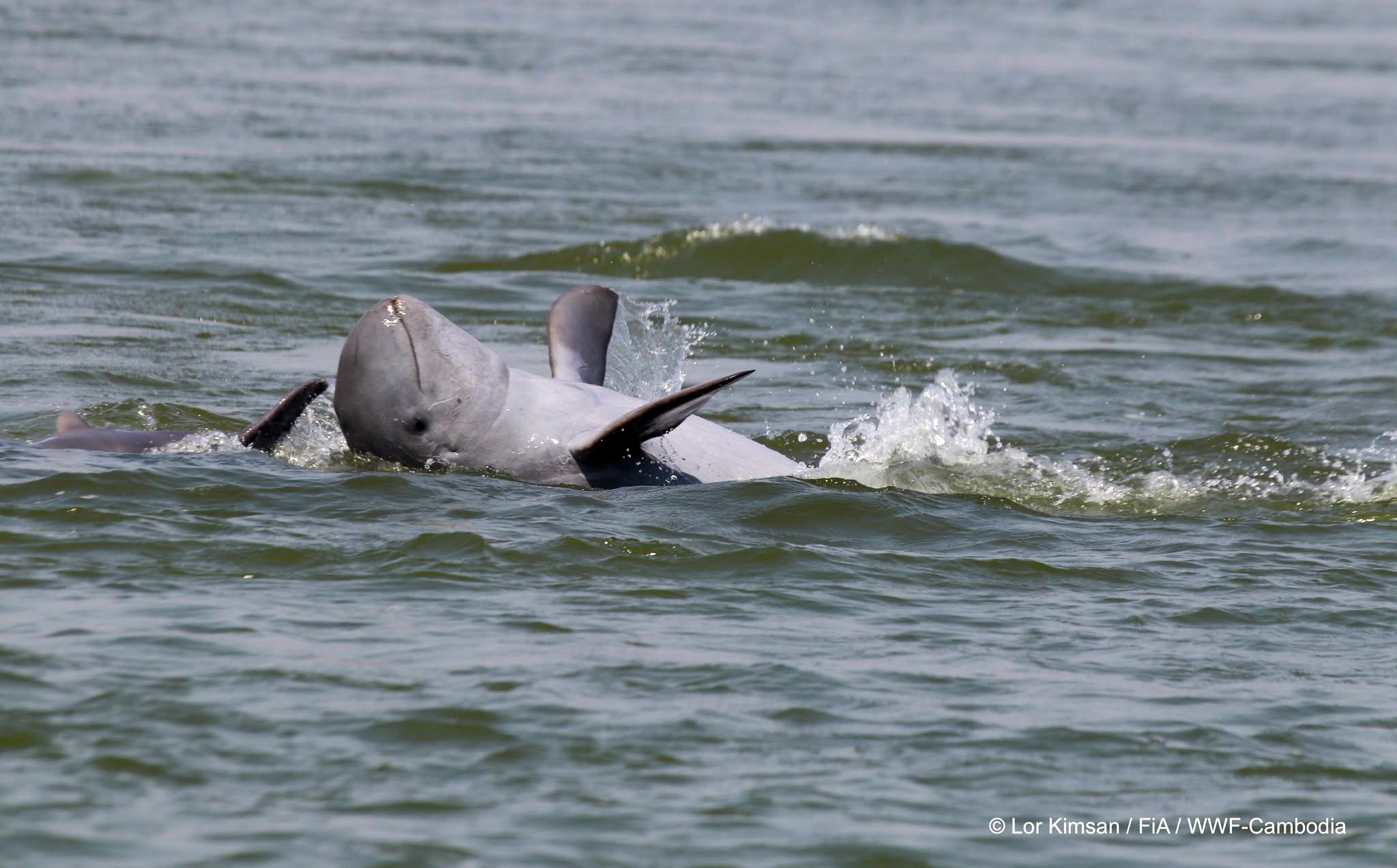
For 11 years, Heang Koeurn has observed Irrawaddy dolphins (Orcaella brevirostris) on the Mekong River, a daily practice now shared with foreign tourists. This observation, reported on September 17, 2026, from Kampi, Cambodia, illustrates how a community values its sole river cetaceans. This local focus, however, exists within a broader regional context where the river system continues to face significant threats.
The reported increase in the Mekong dolphin population in Cambodia signals that focused conservation interventions can yield positive outcomes. This localized growth contrasts with a wider regional pattern, where Asia's freshwater dolphins were described as entering "rough waters" in November 2022. The tension emerges between targeted, often community-driven, conservation efforts and the larger-scale environmental degradation affecting the Mekong basin.
The health of the Mekong, a critical transboundary artery, is not solely determined by downstream conservation. A study cited by Reuters and The Japan Times in November 2025 indicates that toxic mines pose risks to Southeast Asia's rivers and the populations reliant on them. These risks often originate from industrial activities and policy decisions situated far upstream, creating consequences that ripple through entire ecosystems. The connection between upstream resource extraction and downstream ecological impact is direct, often disproportionate, and affects nations sharing the river's resources.
While the sight of Irrawaddy dolphins offers cautious hope, their long-term viability remains subject to decisions made outside their immediate habitats. The increasing pollution from mining, alongside broader ecological pressures, indicates that local successes may struggle to insulate populations from regional stressors. The question persists: which communities, often riparian or coastal, ultimately bear the cost of policies formulated inland, removed from the immediate consequences of environmental shifts?
Sources
Newsletter
Pacific Daily
A curated briefing from Thailand, Asia-Pacific and the world.