Mass Market Presence: Tim Hortons' Expansion Strategy Beyond Airline Coffee
The new Tim Hortons and WestJet partnership, introducing 'Flight Roast' on selected flights, indicates a drive for broad brand recognition, not a pivot towards luxury markets in Asia-Pacific.
SINGAPORE
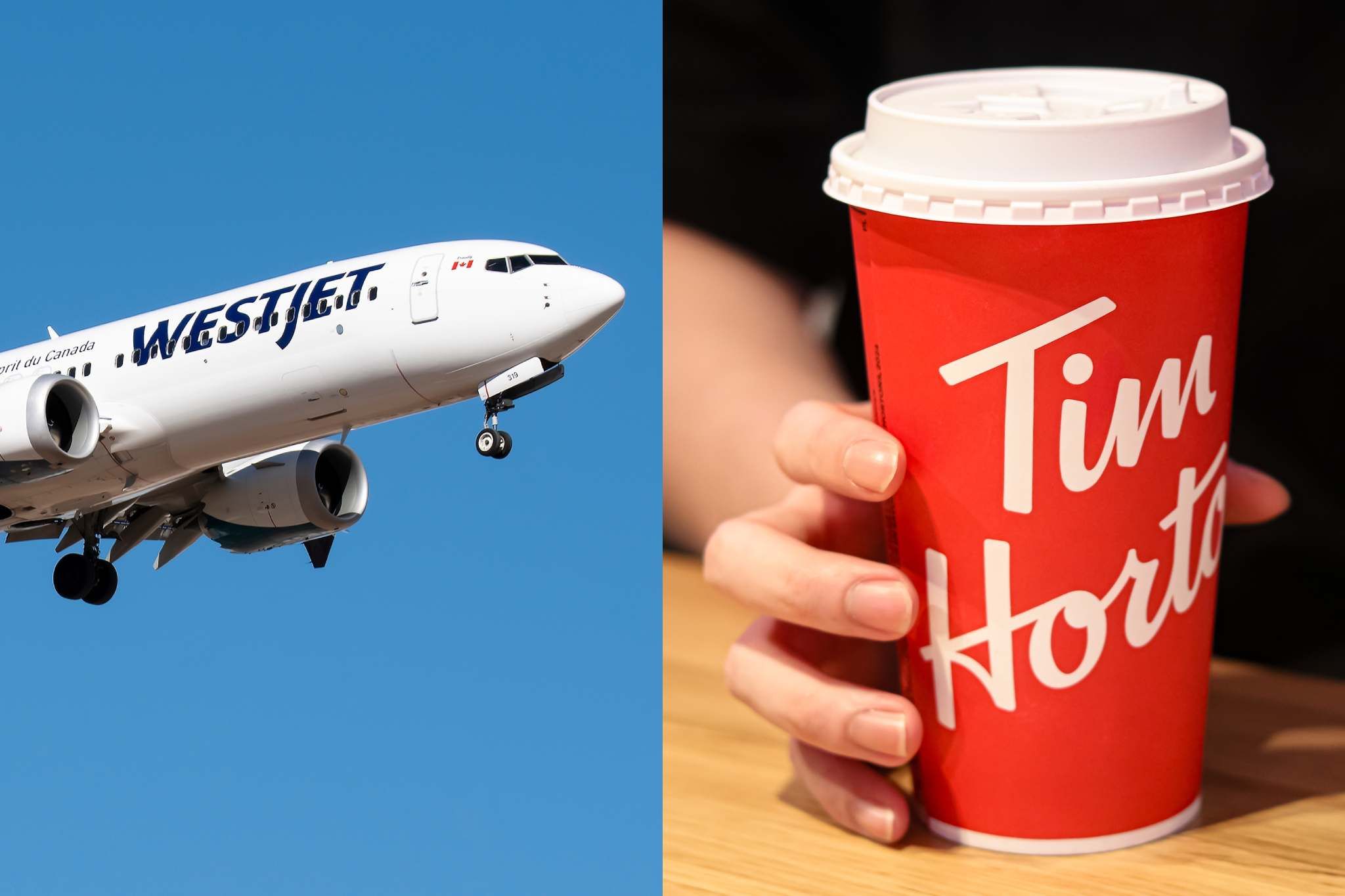
The Canadian quick-service restaurant chain Tim Hortons and WestJet announced a partnership. Starting November 30, selected WestJet flights will serve 'Flight Roast,' a Tim Hortons coffee described as a medium roast with hints of toasted nuts, cocoa, and red fruit [1]. The collaboration includes expanding the Tim Hortons loyalty ecosystem through WestJet starting in 2027 [1]. BNN Bloomberg characterized this as a differentiation strategy for Canadian companies [2].
While an exclusive coffee offering might suggest a premium service, this initiative positions Tim Hortons for broader brand presence rather than a luxury market entry. The company’s trajectory, including its acquisition by Burger King for $11.5 billion in August 2014 [4], reflects a strategy emphasizing scale and market penetration. International expansion efforts reinforce this, with plans to open 250 stores in India [5] and the announced opening of its first shop in South Korea [3]. This pattern indicates an objective to integrate the brand into daily consumer routines across various geographies.
The WestJet partnership aligns with this global expansion, introducing the brand to travelers, potentially cultivating familiarity in new regions. However, its direct relevance to the Asia-Pacific luxury consumer market is limited. Luxury consumers typically seek exclusivity, bespoke service, and distinct brand narratives, attributes not inherently provided by a mass-market coffee brand’s airline distribution. While international travel does expose consumers to diverse brands, the 'Flight Roast' initiative does not inherently elevate Tim Hortons to a luxury market position. Its primary function is convenience and brand visibility.
Conversely, a strong counterargument suggests that extensive exposure, even through high-volume channels, can establish foundational brand recognition. This might, in time, support the introduction of more premium offerings or attract consumers who value familiar comforts while abroad. A brand that achieves near-ubiquity could eventually launch specialized, regionally adapted products appealing to a broader demographic, including those with substantial disposable income. Nevertheless, for a brand like Tim Hortons, recognized for its rapid service and accessible pricing, transitioning into luxury segments without significant product and branding reorientation presents a challenge.
This partnership also coincides with operational challenges for WestJet; the airline experienced a maintenance engineers' strike in June 2024 [6]. Such disruptions could affect the consistency of in-flight services. The available evidence suggests that Tim Hortons aims for widespread brand penetration. This specific airline partnership primarily expands convenience and brand presence, rather than cultivating a luxury perception or directly addressing the nuanced demands of the Asia-Pacific luxury market. Its impact on luxury consumer choices in the region remains an unproven assertion, lacking direct financial or behavioral indicators.
Sources
Newsletter
Pacific Daily
A curated briefing from Thailand, Asia-Pacific and the world.