Manchester United's Performance Decline Intersects with Asia-Pacific Fan Loyalty Shifts
Manager Michael Carrick's acknowledgment of underperformance highlights structural challenges in maintaining commercial traction amidst evolving regional football allegiances.
SINGAPORE
Manchester United manager Michael Carrick stated on Monday, October 12, 2026, that his side had "fallen short of expectations." This assessment comes as the club prepares for a UEFA Champions League fixture against Atletico Madrid. United has secured only six points from their initial six Premier League matches, marking their poorest start to a league campaign since the 1986-87 season when they registered four points at the same stage. Carrick's claim reflects immediate performance metrics, but also resonates with a broader structural shift in how football fans in the Asia-Pacific region engage with European clubs.
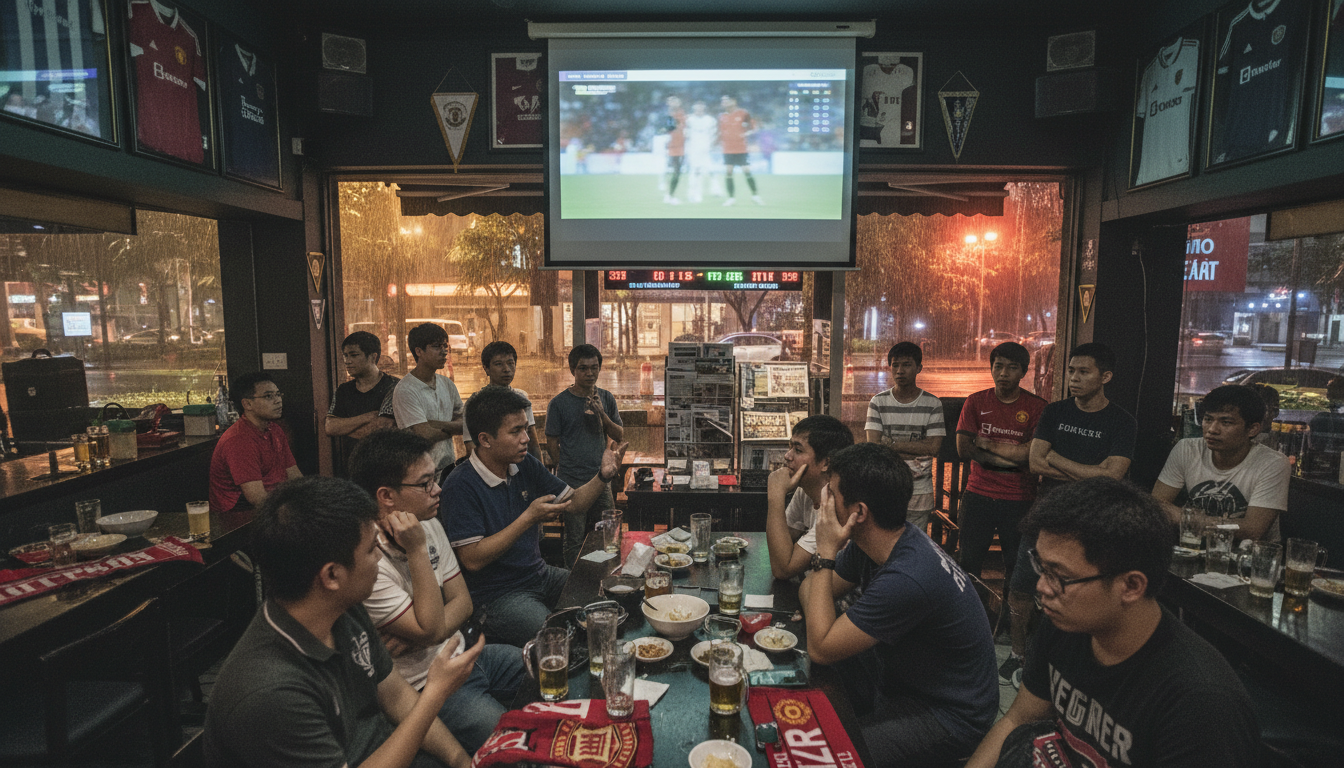
Historically, Manchester United commanded significant support across Asian markets. The current performance trajectory, however, points to a period of decline that may impact this established loyalty. A BBC report from May 2025 noted how fans in Asia have transitioned away from supporting Manchester United, posing a question: "'Why support a team that loses?'" This perspective suggests that enduring allegiance, particularly among a new generation of fans, is increasingly tied to consistent success rather than historical brand recognition.
The manager’s statement, while focused on a sporting outcome, implicitly acknowledges a structural challenge. The decline in domestic league performance, from an emphatic start to a meager six points, creates a vulnerability. This vulnerability is not merely about on-field results; it concerns the competitive positioning of a global football brand within dynamic regional fan bases. The shift documented in 2025 suggests a move from passive, long-term brand adherence to a more active, performance-driven choice among viewers.
The upcoming match against Atletico Madrid serves as an immediate test of the club's current trajectory. Should their performance continue to fall short of expectations, as Carrick himself indicated, the implications extend beyond immediate match results. It risks accelerating the erosion of the club's fan base in commercially critical regions like the Asia-Pacific. The core issue remains how deeply sustained underperformance will decouple fan loyalty from inherited or historical ties, potentially re-allocating significant viewership and commercial interest to other European clubs or even to emerging local leagues. Carrick's backing of his team to navigate this "difficult period" reflects an internal belief, yet the evidence of a broader fan shift suggests the challenge is larger than any single game.
Reversing this trend depends on more than isolated victories; it requires a sustained structural turnaround to re-engage a segment of fans already demonstrating a willingness to shift allegiances, determining who captures the decision-making power of a generation of football consumers.
Sources
Newsletter
Pacific Daily
A curated briefing from Thailand, Asia-Pacific and the world.