Malaysia Fractures the Opposition Before Melaka Votes
The de-registration of Perikatan Nasional strips its parties of a shared electoral vehicle, shifting structural leverage back to the governing coalition.
SINGAPORE
Coalition discipline in parliamentary systems usually unravels at the ballot box, but administrative intervention can dismantle it months before polling day arrives. The decision by Malaysia to cancel the registration of Perikatan Nasional removes the formal vehicle that anchored the federal opposition, forcing its allied parties into institutional disarray just as regional contests begin to test the national government.
On Tuesday, Oct 20, 2026, the Registrar of Societies revoked the registration of the main opposition bloc amid disputes between its key constituent factions. The immediate operational consequence is straightforward: Parti Pribumi Bersatu Malaysia and Parti Islam Se-Malaysia, along with their partners, cannot present a unified symbol or joint slate in the forthcoming electoral cycle. Instead of facing a consolidated counterweight under Muhyiddin Yassin, Prime Minister Anwar Ibrahim confronts fragmented competitors navigating sudden legal eviction from their joint corporate identity.
Fracturing the Federal Machinery
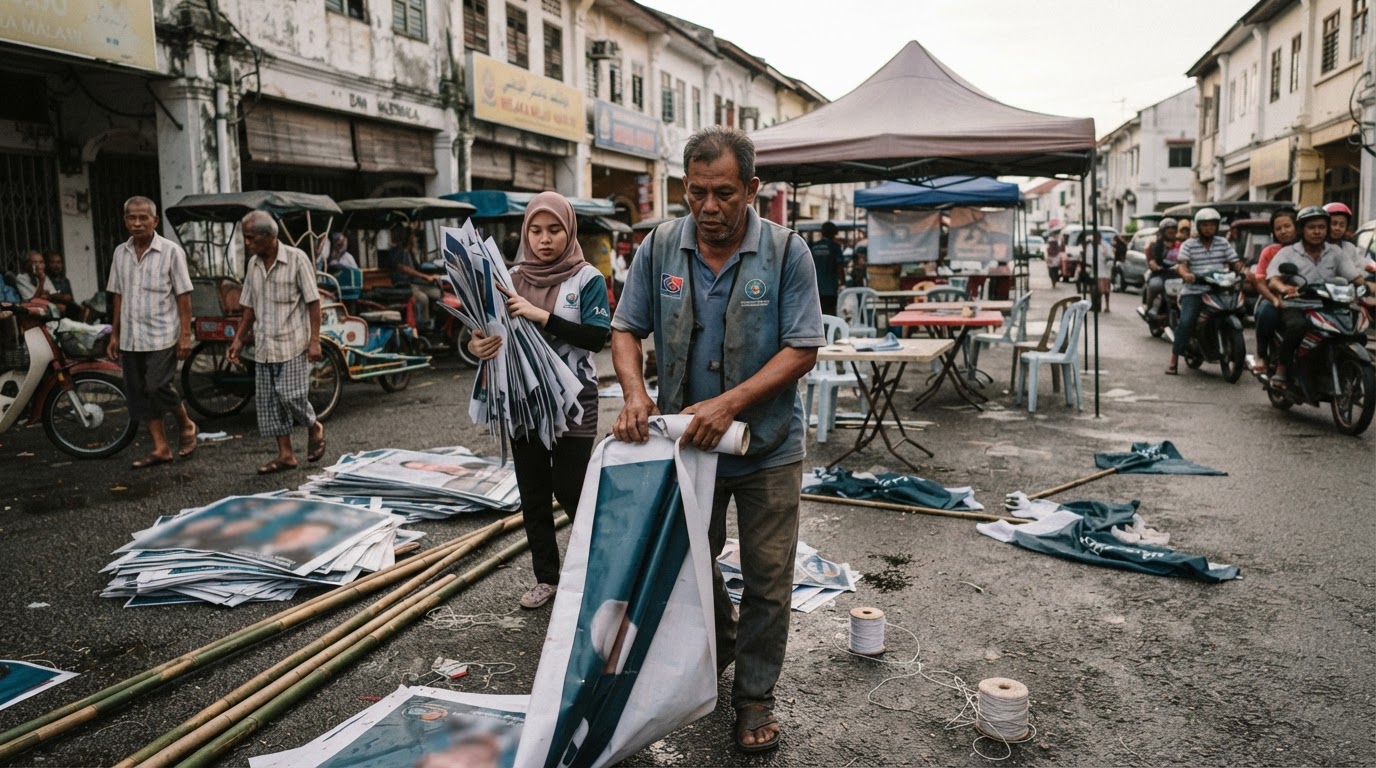
The administrative strike arrives at a pivotal juncture for federal stability. Malaysia's Melaka state holds its regional vote on Nov 14, following earlier electoral setbacks for Anwar in two regional polls earlier this year. Where the opposition previously demonstrated territorial coordination, as seen when coalition flags lined Seremban streets in Negeri Sembilan in July, the dissolution strips those local machines of procedural certainty.
Without a common banner across the 222 parliamentary constituencies, the tactical burden falls unequally upon the separated parties. Parti Islam Se-Malaysia retains an entrenched grassroots footprint across the northern Malay heartland, whereas Bersatu relies heavily on a broader federal coalition architecture to project national viability. Deprived of the Perikatan Nasional umbrella, the Islamist machinery may retreat into provincial dominance while its secular, Malay-nationalist partner faces diminished bargaining power in seat negotiations. Administrative fragmentation does not eliminate opposition votes, but it scatters them into competing local balance sheets.
Without a shared legal banner, regional opposition parties must absorb administrative isolation while the governing coalition preserves central executive control.
The Cost of Regulatory De-Registration
Supporters of the governing coalition can reasonably argue that the de-registration reflects internal dysfunction rather than executive manipulation. Perikatan Nasional had long been strained by conflicting regional ambitions and procedural non-compliance among its internal executives. If the coalition failed to resolve its statutory governance requirements under the Registrar of Societies, regulatory cancellation constitutes a normal administrative consequence rather than a calculated intervention.
Yet administrative technicalities rarely exist outside the political calendar. Removing a recognized bloc just four weeks prior to Melaka going to the polls insulates the ruling establishment from a unified electoral challenge. Disqualification forces rival candidates into overlapping campaigns, splitting Malay voter turnout and insulating Anwar from a repeat of the provincial losses suffered earlier in 2026. The institutional advantage tilts toward the executive apparatus in Putrajaya, while peripheral constituencies bear the burden of organizational confusion.
What remains unsettled is whether structural disruption can neutralize electoral dissatisfaction. Eliminating the coalition's corporate entity does not dissolve the underlying political alignment that generated its parliamentary strength. If PAS and Bersatu establish localized pacts without central registration, the opposition may retain operational momentum through ad hoc coordination. The administrative stroke dismantles a legal masthead, but the fundamental contest over executive authority in Malaysia remains unresolved.
Sources
Newsletter
Pacific Daily
A curated briefing from Thailand, Asia-Pacific and the world.