Machado Returns to Venezuela Under Asymmetric Terms
The opposition leader pivots to dialogue after exile, confronting domestic realities that external diplomacy cannot resolve.
SINGAPORE
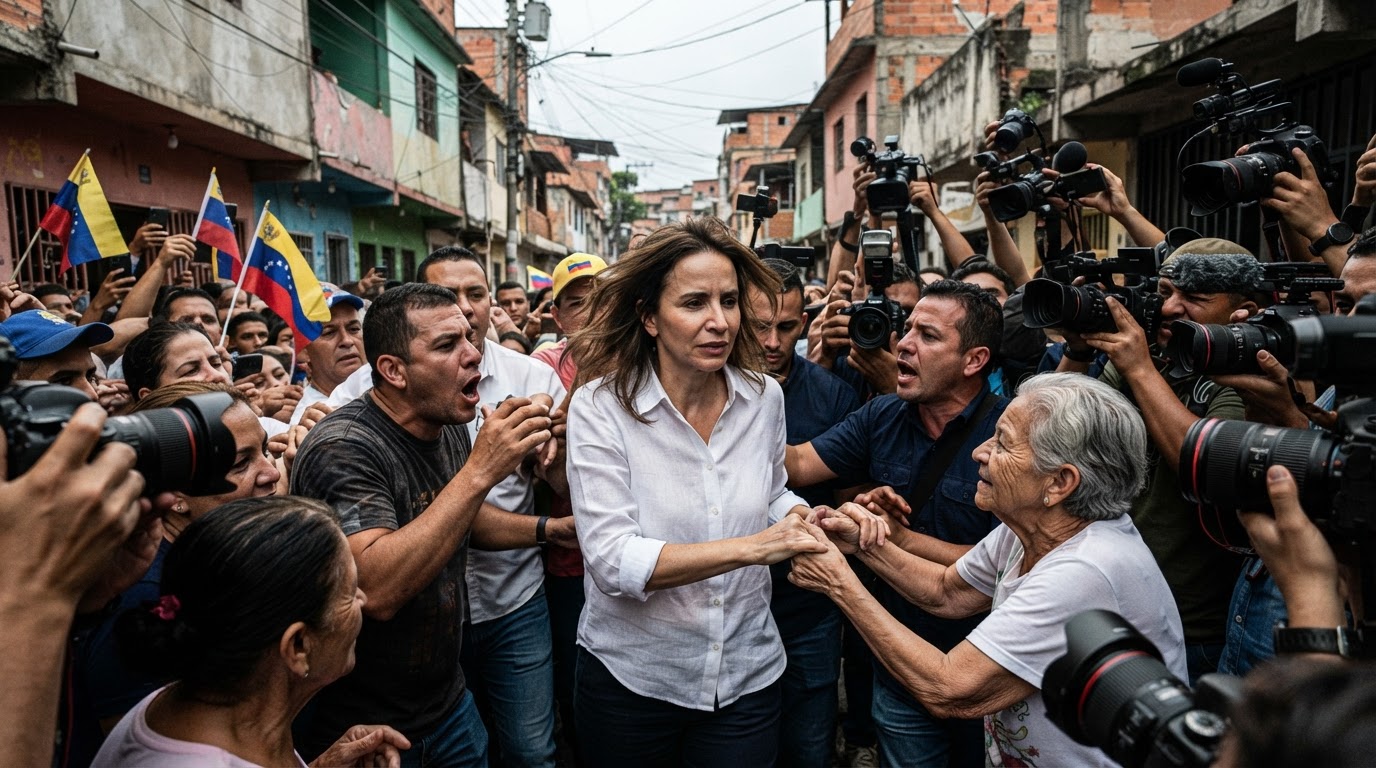
María Corina Machado entered Guacara on October 25, 2026, abruptly ending a period of foreign exile to confront Venezuela’s governing hierarchy directly on sovereign ground. Her declared willingness to meet the incumbent leadership represents a calculated tactical recalibration, relocating a protracted political confrontation from foreign capitals straight back to the domestic arena where popular sentiment resides.
That decision marks a definitive departure from the confrontational posture cultivated across late 2025 and early 2026. During that earlier phase, Machado insisted her movement stood ready to take over government, rejected the governing authority of Maduro’s deputy, and cultivated external alignment with foreign figures including Trump. Foreign travel brought global recognition as a Nobel Peace Prize winner, yet extended physical detachment produced mixed domestic reactions among citizens enduring severe internal hardships. Sustaining political leverage from abroad proved increasingly difficult as the distance between international diplomacy and daily domestic struggles widened. Returning home reflects an overdue recognition that external pressure alone cannot force structural concessions from an entrenched state apparatus.
External multilateral bodies responded promptly by attempting to steer the return into standard diplomatic channels. European Union foreign affairs spokesman Anouar El Anouni articulated that institutional stance directly: "We trust that the Venezuelan authorities and all political actors will seize this opportunity to advance an inclusive, Venezuelan-led dialogue towards free and fair elections."
Strategic Calculations Across External Observers
For Asia-Pacific diplomatic desks, this pivot provides a sharp case study in the structural limitations of offshore political coercion. Sovereign capitals throughout the region that anchor foreign policy to strict non-interference view Machado’s return as confirmation that durable domestic settlements cannot be engineered from foreign chancelleries. Resource-importing economies across maritime Asia evaluate the development with pragmatic detachment, prioritizing raw supply stability and the resumption of predictable commodity flows over normative declarations about democratic governance. Any internal accommodation that prevents territorial instability and reopens regular commercial logistics serves the national interests of Pacific trading partners far more effectively than open-ended geopolitical confrontation. Regional strategists recognise that direct domestic confrontation forces sovereign actors to calculate real domestic balances rather than external diplomatic posturing.
Skeptics reasonably caution that engaging the incumbent authorities risks conferring institutional legitimacy on a governing apparatus the opposition spent years seeking to dismantle. Entering direct bilateral discussions without prior constitutional guarantees could easily dilute international pressure while delivering minimal tangible concessions in return. Even so, remaining abroad offered steadily diminishing strategic utility. Physical presence on national soil compels the governing hierarchy to demonstrate whether it is prepared to negotiate genuine terms or resort to overt domestic suppression before an observing international audience.
The Limits of Multilateral Mediation
A profound structural imbalance nevertheless divides diplomatic rhetoric from operational realities on the ground. While the European Union envisions an inclusive path toward national balloting, the ruling leadership retains uninterrupted command over judicial institutions, security forces, and administrative levers. The enthusiastic reception that met Machado in Guacara demonstrates resilient civic backing, yet grassroots loyalty does not automatically translate into institutional leverage against an entrenched governing hierarchy. Regimes rarely surrender authority through negotiated electoral processes if doing so jeopardizes their essential survival. Without independent enforcement mechanisms, multilateral frameworks depend entirely on the voluntary cooperation of a state apparatus that has shown no willingness to engineer its own displacement.
The core structural contradiction remains unresolved. Foreign chancelleries will continue urging inclusive democratic transitions, but diplomatic declarations cannot bridge opposing objectives between an opposition seeking systemic change and an entrenched authority resolved to preserve its tenure.
Sources
Newsletter
Pacific Daily
A curated briefing from Thailand, Asia-Pacific and the world.