Lucy Guerin and the Fragile Succession of the Eponymous Dance Company
Stepping away after 25 years, an Australian choreographer exposes the friction between artistic longevity and physical vulnerability.
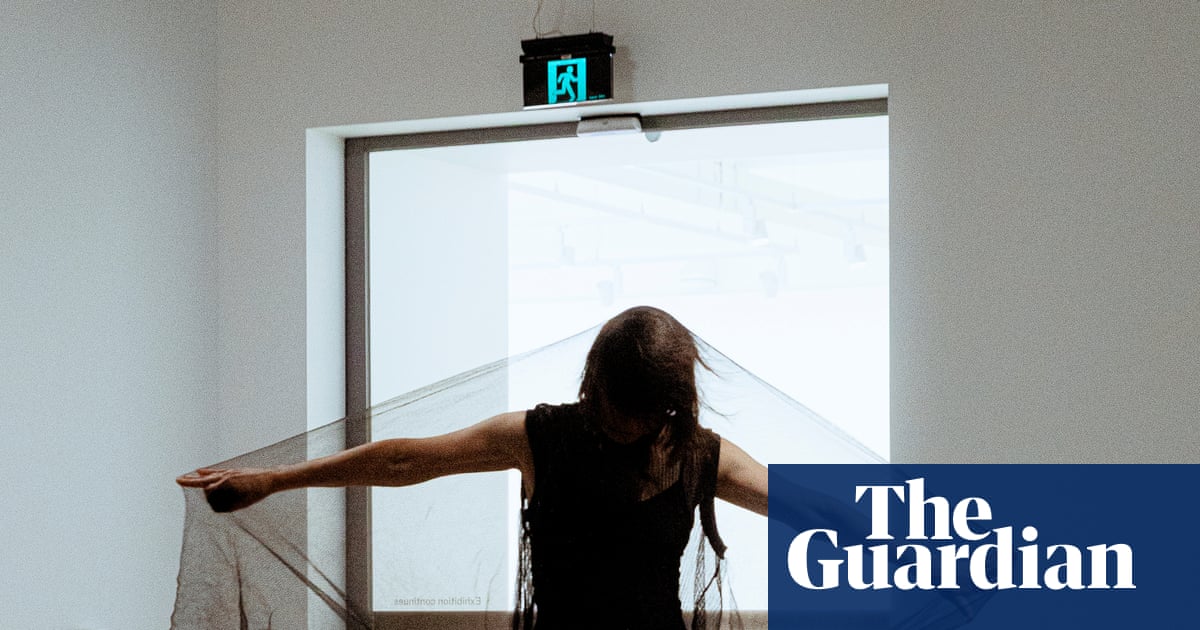
Contemporary dance companies rarely outlive the physical prime of their founders without confronting an awkward structural truth. When an institution takes the literal name of the choreographer who built it, artistic permanence becomes entangled with mortal physiology. For a quarter of a century, Lucy Guerin Inc operated under Melbourne’s cultural umbrella as an extension of a singular kinetic sensibility. Yet professional dance notoriously resists endurance, as the physical toll on the body and the persistent hazard of injury routinely abbreviate active careers. Marking her departure after 25 years at the helm, Guerin chose an unusual punctuation mark: returning to the stage herself for a solo production titled Place Dances at Melbourne’s Buxton Contemporary art gallery.
Appearing on that gallery floor marked her first public performance in 13 years. She described the experience of dancing publicly again after more than a decade as "incredibly confronting," a frank admission that strips away the romantic mythology often attached to veteran choreographers. Audiences tend to assume that artistic directors glide smoothly from physical execution into detached curatorial authority. Guerin exposed the raw friction of that threshold, demonstrating that even after decades of international recognition, subjecting an aging body to public scrutiny remains an act of acute exposure.
The Weight of an Eponymous Body
Conferring the artistic directorship upon choreographer Melanie Lane, Guerin addresses the central paradox facing independent performance groups across the region. When an organisation carries its founder's name, every leadership transition risks feeling like an imitation rather than an evolution. Melbourne’s contemporary dance sector has long debated how mid-sized arts bodies can sustain institutional funding and critical momentum once the originating vision steps aside. Lane inherits not just an administrative schedule, but the formidable shadow of Guerin’s established aesthetic vocabulary.
The physical demands on the body and increasing risk of injury tend to necessitate short careers.
That physical reality makes Guerin’s 25-year tenure exceptional within Australian performing arts. Most dancers are forced to reinvent themselves long before a quarter-century elapses, migrating into administration, teaching, or disappearing entirely from major bills. Sustaining an independent company across two and a half decades proved that an auteur model could survive shifting cultural tides, yet her departure forces the sector to question whether such durability belongs to the institution or strictly to the individual.
Beyond the Founder's Archive
Handing over an eponymous company requires an audience to recalibrate its own loyalties. Spectators frequently invest in the personality of the maker rather than the corporate vehicle that shelters them. In selecting Lane, Guerin signals that an ensemble must become an open creative platform rather than a preserved museum of historical choreographies. Long-term sustainability in contemporary movement demands that the founding name detach from exclusive personal authorship.
Whether an audience will grant that autonomy remains the quiet tension beneath this handover. By closing her chapter inside a gallery space with Place Dances, Guerin situated her personal movement within an arena dedicated to enduring objects, only to remind spectators of dance's fundamental ephemerality. The final gesture was not a victory lap of administrative self-congratulation, but a deliberate confrontation with physical vulnerability, offering a rare model of leadership that surrenders authority while looking directly at the cost.
Sources
Newsletter
Pacific Daily
A curated briefing from Thailand, Asia-Pacific and the world.