Long-Duration Storage: A New Constraint for Asia-Pacific Maritime Electrification
While the UK pilots advanced 'super batteries,' the fundamental challenge of energy security for electrified fleets in Southeast Asia persists.
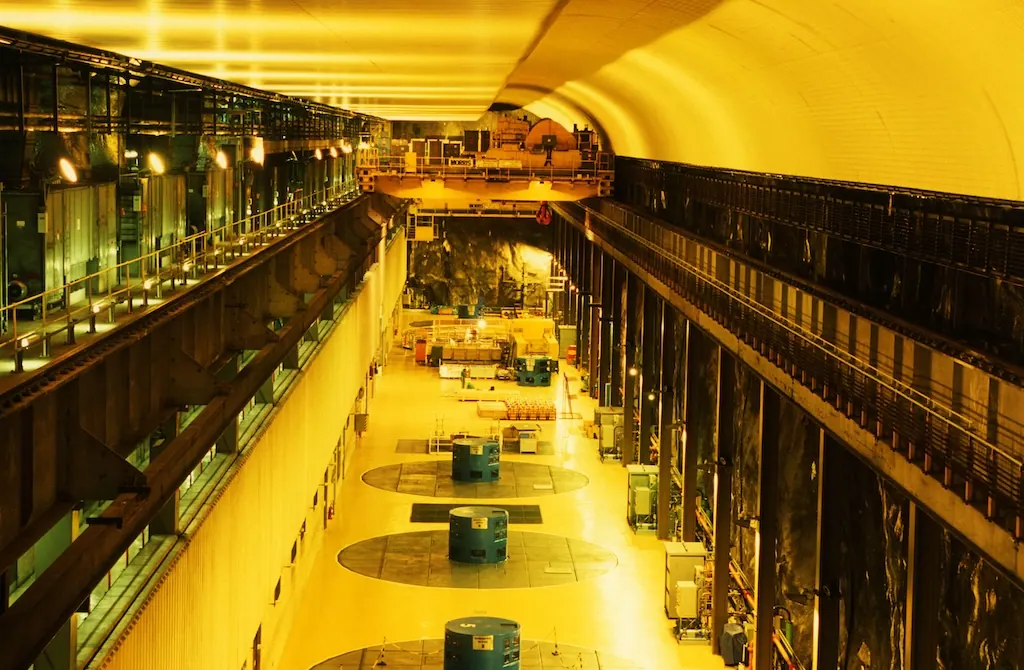
The United Kingdom's reported initiatives in 'long-duration energy storage' (LDES), utilizing what Carbon Brief describes as 'super batteries,' point to a sophisticated approach to grid stability and renewable energy integration. This development, detailed by Carbon Brief on August 19, 2026, focuses on smoothing output from intermittent sources. For the UK, this represents a technical advancement to manage its energy mix. However, the relevance for maritime electrification in the Asia-Pacific, particularly for nations like Thailand, requires a distinct assessment.
The core function of LDES, as outlined, is to store energy for extended periods, providing a buffer against fluctuating renewable generation. This addresses a critical operational variable in any large-scale transition to electric power. In the context of maritime transport, specifically for short-sea shipping, ferries, and inland waterways, the availability of consistent and high-capacity shore power is paramount. Without it, the adoption of battery-electric vessels faces significant operational and economic hurdles.
Shore Power and Maritime Readiness
The policy documents and financial data typically consulted for such transitions indicate that the cost and infrastructure requirements for widespread LDES deployment are substantial. The UK's strategy appears to involve national-level grid enhancements, which can then support localized demand. For countries in the Asia-Pacific, particularly those with archipelagic geographies or extensive riverine networks like Thailand, the question is not merely about storage technology but its integration into diverse and often less-developed energy grids. A large proportion of the region's existing maritime fleet operates on conventional fuels, with established supply chains that LDES-dependent electrification would disrupt.
Consider the implications for port infrastructure. Electrified vessels demand charging points that can deliver megawatts of power rapidly. If the grid supplying these ports is itself subject to intermittency, or if its capacity is already constrained by existing industrial and residential demand, LDES would theoretically offer a solution. However, the scale of investment required to deploy LDES units at every major port, alongside grid upgrades for transmission and distribution, would be immense. For Thailand, where a significant portion of its internal and coastal shipping supports trade and tourism, the transition would necessitate a national energy strategy far more comprehensive than simply importing 'super battery' technology. The technical viability of LDES is distinct from its economic and logistical feasibility across varied national contexts.
An alternative perspective suggests that localized, smaller-scale renewable energy projects with integrated battery storage could provide the necessary power at specific maritime hubs. This approach, however, might not achieve the systemic grid-level stability that the UK's LDES initiatives reportedly aim for. It also raises questions about standardization and interoperability across different port authorities and national borders, a common friction point in regional maritime policy.
The constraint that remains unresolved for the Asia-Pacific is not the absence of energy storage technology, but the disparity between a technically advanced solution and the regional specifics of grid maturity, capital allocation, and maritime operational patterns. The outcome of widespread maritime electrification in this region now depends on how these advanced storage concepts can be adapted and financed within existing national energy frameworks, and whether the regulation for energy supply can genuinely match how boats are used here, rather than simply importing a solution designed for a different grid landscape.
Sources
Newsletter
Pacific Daily
A curated briefing from Thailand, Asia-Pacific and the world.