Japan's Rate Hikes: An Echo in Asia's Generational Divide
The Bank of Japan's latest policy shift exacerbates existing demographic tensions, offering a stark preview for other aging Asian economies.
SINGAPORE
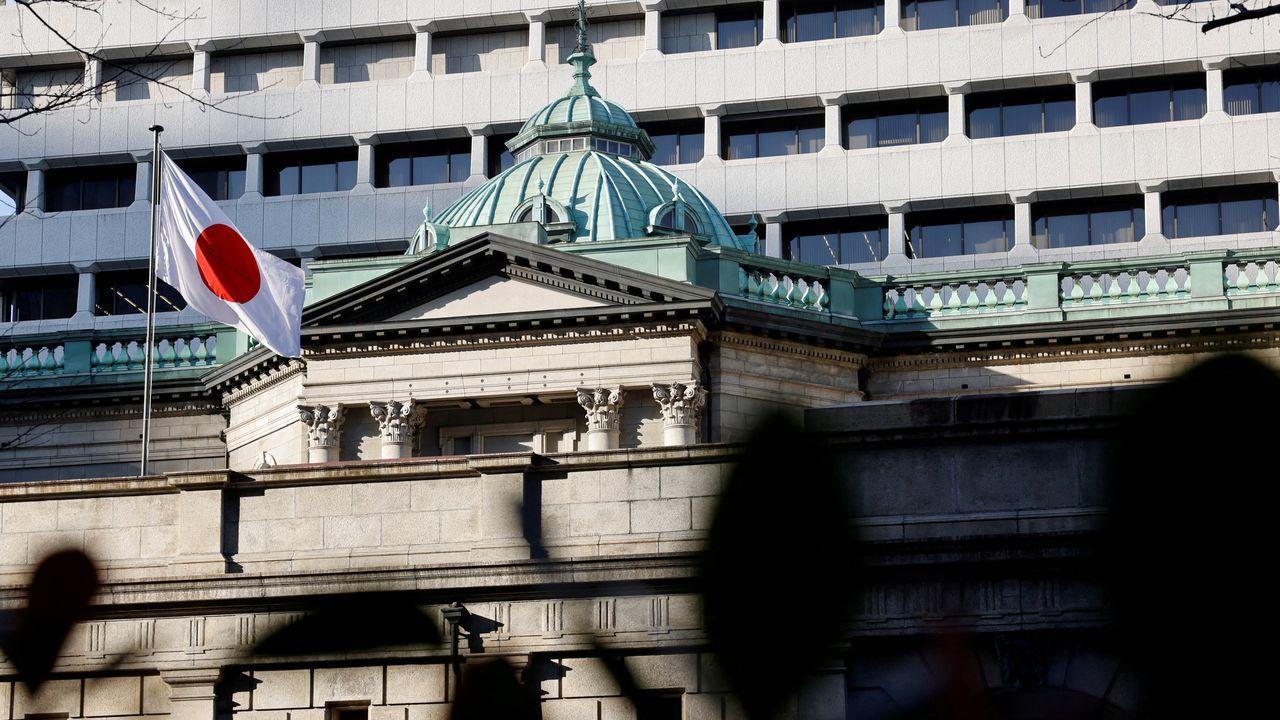
The Bank of Japan’s decision on September 18, 2026, to raise its policy rate to 1.25% marks the sixth increase since March 2024, when it ended its negative rate policy. This move, following a June 2026 hike amid pressure to address inflation and a weak yen, has immediate and distinct implications for Japanese households. What emerges is not merely an economic adjustment, but a sharpened reflection of a deeply embedded cultural and demographic tension.
Nippon.com reports that while this rate hike could trigger positive effects for Japanese households overall, its impact varies sharply across age groups. The estimates by Mizuho Research and Technologies project average 10-year time deposit rates to rise by 0.15 points to 2.13%, benefiting asset-rich seniors with increased interest income. Conversely, variable-rate mortgage rates are projected to rise by 0.25 points to 1.45%, increasing burdens for younger households. This divergence highlights a deepening divide, where monetary policy, intended to stabilize an economy, simultaneously reconfigures intergenerational wealth distribution. It creates a class of beneficiaries and a class of payers, delineated primarily by age and asset ownership, not by productivity or social contribution.
This pattern is not unique to Japan. Across Asia, from South Korea to Thailand, nations grapple with aging populations, slowing birth rates, and rising housing costs in urban centers. As central banks in other regional economies consider their own monetary tightening cycles in response to global inflation or domestic pressures, they might face similar dilemmas. The Japanese experience suggests that such policy shifts, while economically rational in isolation, risk amplifying pre-existing social fault lines. The question is not only whether these economies can absorb higher rates, but whether their social contracts can withstand the intensified generational friction.
The current situation reveals a quiet struggle over the fundamental principles of national wealth. Is prosperity measured by aggregate economic indicators, or by the equitable distribution of opportunities and burdens across a society? The Bank of Japan’s actions, driven by a need to counter inflation fueled partly by Middle East tensions, bring into sharp relief the difficult trade-offs inherent in managing a modern economy with a complex demographic profile. The immediate economic impact is quantifiable, yet the broader cultural implications—the erosion of a sense of shared destiny—are less so, but potentially more profound. For countries like Thailand, which watches its demographic pyramid shift, Japan offers not a warning, but a stark illustration of an inevitable, uncomfortable reality: economic policy is never just about numbers; it is always about people, and the often-unspoken compacts between them.
Sources
Newsletter
Pacific Daily
A curated briefing from Thailand, Asia-Pacific and the world.