Injured Elephant Highlights Persistent Human-Wildlife Policy Failures in Sri Lanka
The wounding of a tusked elephant in a known human-elephant conflict zone reflects structural pressures on conservation and regional policy priorities.
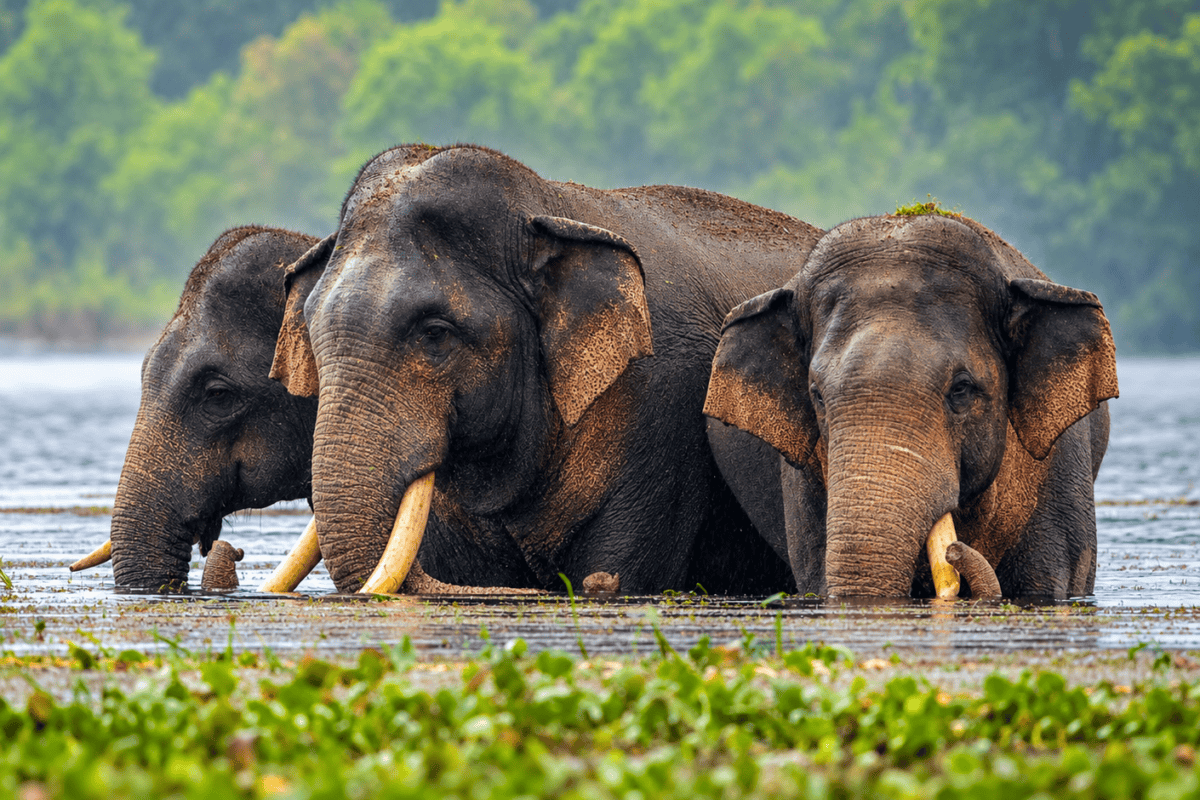
The discovery of a gunshot wound on Kavantissa, an elephant believed to be Sri Lanka’s tallest living tusker, near Galgamuwa, underscores an enduring challenge in wildlife conservation. Pathum Bandara observed Kavantissa moving gently through the landscape on Sept. 20 around Galgamuwa in the island’s northwestern dry zone, a well-known human-elephant conflict zone. The following day, Bandara noticed the elephant limping, revealing a gunshot wound on its right foreleg, close to the knee. The Department of Wildlife Conservation (DWC) dispatched a team to treat the elephant, a reactive measure that points to systemic issues beyond individual animal welfare.
This incident is not merely an isolated case of violence or accidental harm. It reflects a persistent human-elephant conflict in Sri Lanka’s northwestern dry zone, identified as a flashpoint. The presence of a gunshot wound on a prominent tusker indicates that lethal force remains a factor in these encounters. Such events suggest a failure to manage coexistence effectively, implying underlying structural issues in land use, resource allocation, and enforcement mechanisms.
Historically, the expansion of human settlements and agriculture into elephant habitats intensifies competition for space and resources. The dry zone's classification as a human-elephant conflict zone confirms these pressures are structural, not transient. The DWC's response, while critical for the animal's immediate survival, does not address the conditions that led to the injury. A defensible conclusion is that the long-term protection of tuskers like Kavantissa depends on more than reactive veterinary care.
The broader Asia-Pacific region faces similar pressures where rapid development intersects with biodiverse ecosystems. Countries with significant wild elephant populations frequently grapple with the economic and social costs of human-wildlife interaction. The Colombo Security Conclave in Delhi, as reported by The Diplomat on 2025-11-21, focused on maritime security, with India’s China-Related Concerns Not Figure on the Agenda, and no explicit agenda items on wildlife conservation. This omission indicates a prevailing focus on geopolitical concerns over environmental policy, even in regionally relevant forums.
The challenges are compounded by the complex web of local communities, landholders, and conservation bodies. The immediate solution of treating an injured animal, while critical, does not alter the fundamental dynamics of the conflict. The unresolved constraint is the lack of a sustainable framework that mitigates human-elephant conflict at its source. Without addressing the drivers of these conflicts — habitat encroachment, crop raiding, and a perceived threat to livelihoods — such incidents are likely to continue, irrespective of individual rescue efforts.
One could argue that local efforts by wildlife enthusiasts like Pathum Bandara, combined with DWC intervention, signify an improving awareness and responsiveness to wildlife issues. However, the recurring nature of conflict in areas like Galgamuwa suggests that these interventions are often palliative. The critical question remains: what structural changes are needed to prevent such wounds, rather than just treat them? The decision-making power to implement such changes often rests with policy makers who must balance development goals with conservation imperatives. The outcome for Sri Lanka's elephants, and for similar populations across the region, depends on the political will to fundamentally rethink human-wildlife boundaries and resource sharing.
Sources
Newsletter
Pacific Daily
A curated briefing from Thailand, Asia-Pacific and the world.