Infrastructure replacement demands a clear financial framework, not engineering spectacle
The recent removal of the Pattullo Bridge's arch showcases technical prowess but highlights the need for transparent long-term funding and operational models for public assets.
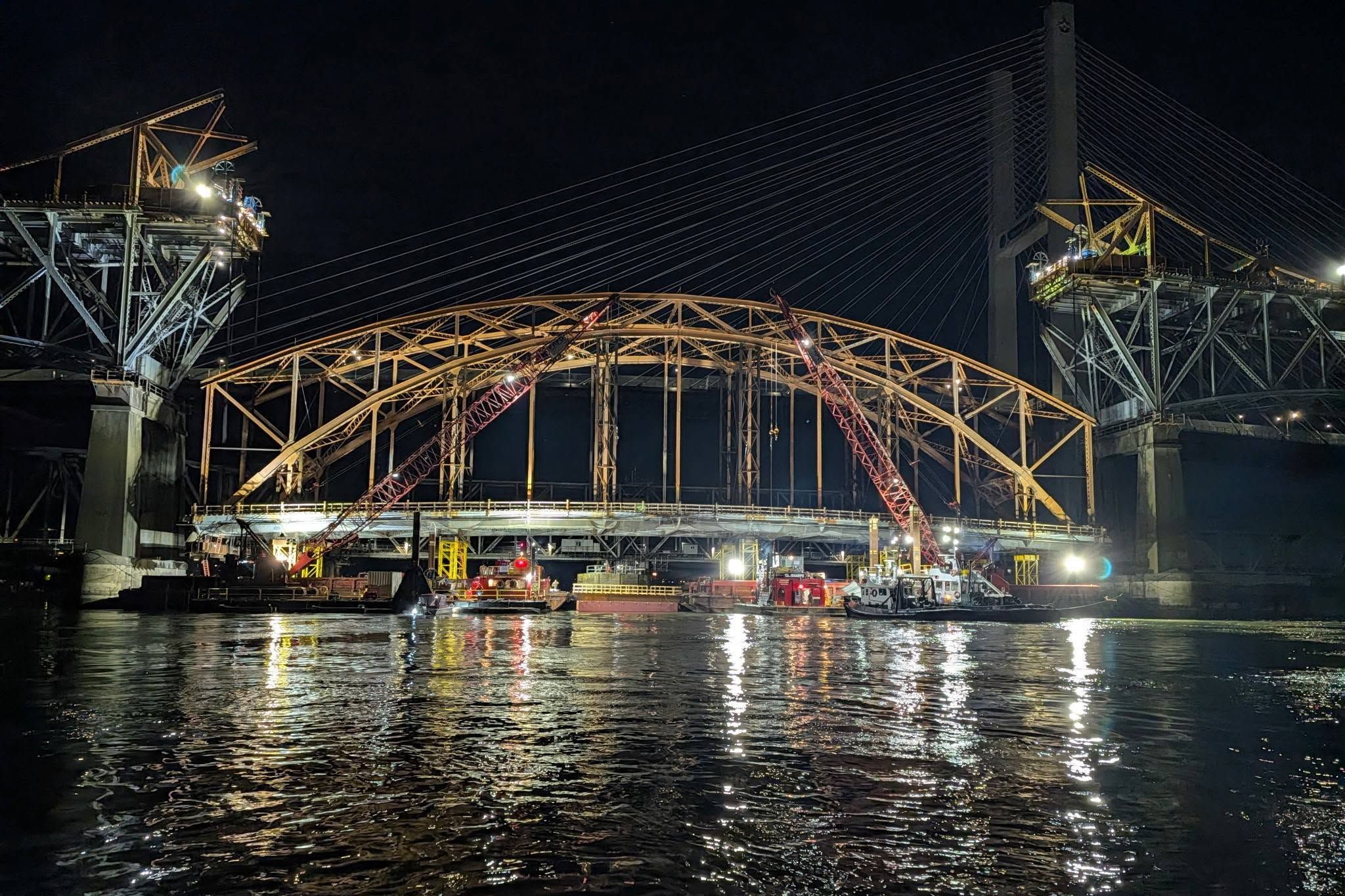
The old Pattullo Bridge’s orange steel arch, a feature from the Great Depression period, has been removed and lowered onto barges on the Fraser River. This operation, described as an engineering feat, left a large gap between sections of the 1937-built bridge between Surrey and New Westminster. While the visual change to the Fraser River skyline is immediate, the event prompts consideration of the financial and economic realities underlying such infrastructure transitions.
Dismantling aging infrastructure involves significant capital outlay and long-term planning for its replacement. The process of removing the arch, a visible milestone in the bridge’s gradual demolition, highlights a common challenge: the cost of maintaining, replacing, and ultimately decommissioning large public works. These costs are often borne by public funds, with implications for taxpayers and regional economic competitiveness.
Who pays for the multi-decade lifespan of these structures? At what occupancy rates or usage fees do they become sustainable? These are the questions that underpin true infrastructure realism. Without transparent financial projections and clear accountability for operational costs, the public marvels at engineering without fully grasping the economic implications. The success of large-scale infrastructure lies not just in its construction or deconstruction, but in its ability to operate effectively and affordably over its projected life.
The removal of the arch signals progress in replacing an old crossing, yet the complete lifecycle costs of such projects — from initial design and construction to decades of maintenance and eventual removal — rarely receive the same public attention as the engineering highlights. The Daily Hive Vancouver report acknowledges the scale of the engineering task but does not detail the financial mechanisms supporting this dismantling or the ongoing cost structure for the new bridge. This omission is typical, as the focus often remains on the technical achievement rather than the fiscal burden for Pacific-rim economies facing similar aging assets.
Funding models for infrastructure often face strain, balancing immediate needs against future liabilities. The long-term economic impact of a new bridge is not solely about improved transit, but also about the cost of that improvement to users and regional budgets. As new infrastructure projects replace older ones, the emphasis must shift towards open data on capital expenditure, maintenance schedules, and the sources of funding, rather than resting on the spectacle of physical transformation alone. The fate of such substantial projects, and their impact on regional development, depends on this deeper financial transparency.
Sources
Newsletter
Pacific Daily
A curated briefing from Thailand, Asia-Pacific and the world.