Indonesia's Investment Pledge Meets Policy Scrutiny
President Prabowo Subianto's assurances on foreign capital face ongoing industry concerns regarding resource control, a regional policy tension.
SINGAPORE
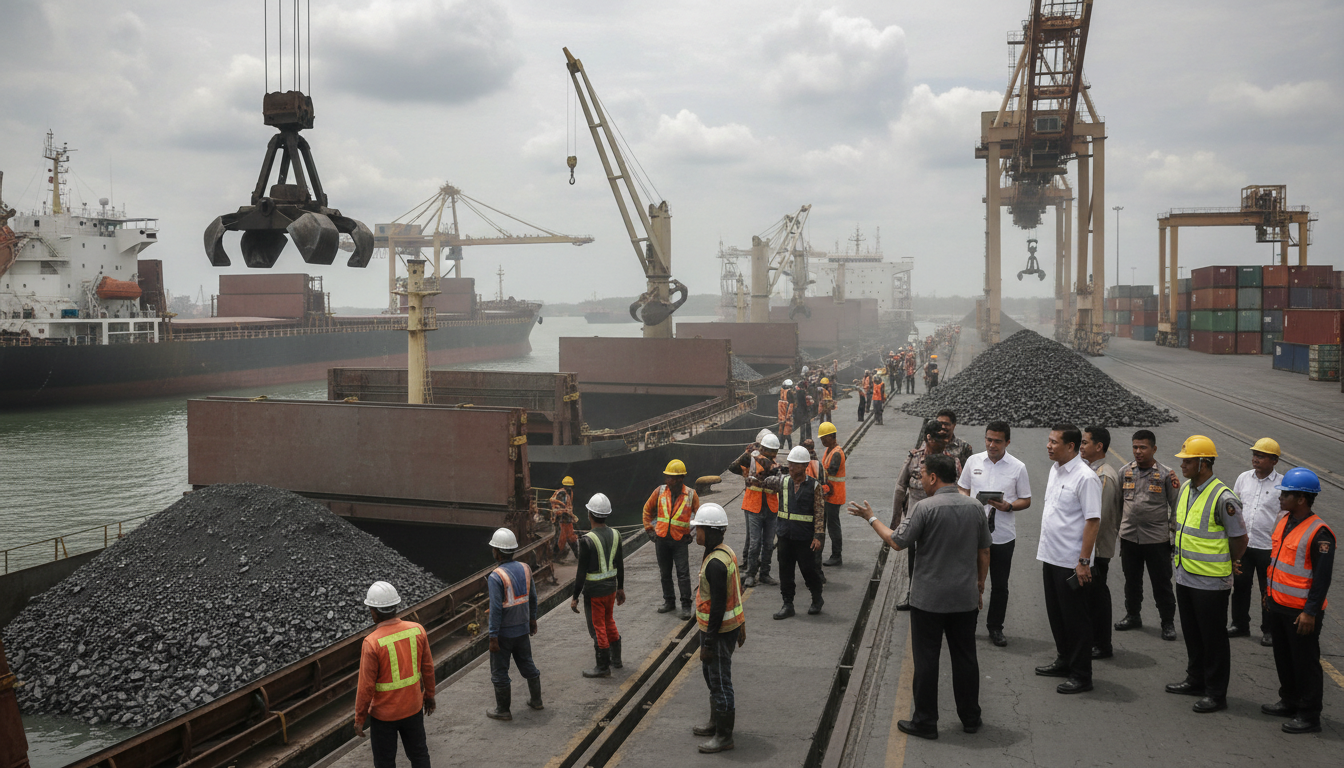
On October 8, 2026, Indonesian President Prabowo Subianto declared his government's commitment to respecting and safeguarding all investments within the country. This statement occurred at a launch ceremony for four nickel facilities and the start of six construction projects in an industrial park at Weda Bay. The North Maluku site has transformed from fishing villages into a large industrial complex, characterized by refineries and coal-fired power plants. This focus on nickel production aligns with Indonesia's broader strategy to leverage its natural resources.
While President Subianto’s statement aimed to reassure, it coincides with acknowledged concerns from business players regarding recent policies affecting Indonesia’s metal industry and smelting sectors. The rapid industrialization in areas like Weda Bay, as reported by Channel News Asia, indicates a significant investment drive. Indonesia has actively attracted foreign capital into these sectors, including efforts to accelerate electric vehicle ecosystem investments, which involved Minister Rosan meeting Chinese companies. CoreWeave also expanded into Indonesia on August 4, 2026, announcing its first Asia-Pacific data center, suggesting diverse investment appeal.
The Indonesian government’s approach combines attracting substantial foreign investment with asserting greater national control over its mineral wealth. This dual objective creates a persistent tension. Historically, resource-rich nations often balance maximizing domestic value creation with maintaining an appealing environment for international capital. This balance is particularly evident in the metal industry, where downstream processing like smelting promises higher value exports but requires significant capital and raises environmental questions.
Indonesia’s policies, which encourage domestic processing of raw materials, have implications across the Asia-Pacific region. They influence supply chains and investment decisions for other countries. Nations dependent on Indonesian raw materials or competing for similar investments must adapt to these shifts. The expansion of industrial activity, particularly with coal-fired power plants in Weda Bay, further raises questions about regional environmental impacts and consistency with climate commitments. Although Singapore and Indonesia affirmed on July 6, 2026, their shared interest in open maritime routes like the Strait of Malacca, this suggests a regional desire for stability despite differing national economic strategies.
President Subianto’s commitment to investment security is essential for sustaining economic growth. However, business players' existing concerns about policy changes indicate that the intricacies of resource nationalism continue to pose a complex policy challenge. Reconciling these domestic priorities with the expectations of international partners and investors remains a crucial task for Indonesia.
Sources
Newsletter
Pacific Daily
A curated briefing from Thailand, Asia-Pacific and the world.