Iconic Images Drive Conservation, Yet Structural Issues Persist
A photograph of a mountain lion in Los Angeles altered policy, but it also exposed deeper, unresolved challenges for wildlife across the Pacific Rim.
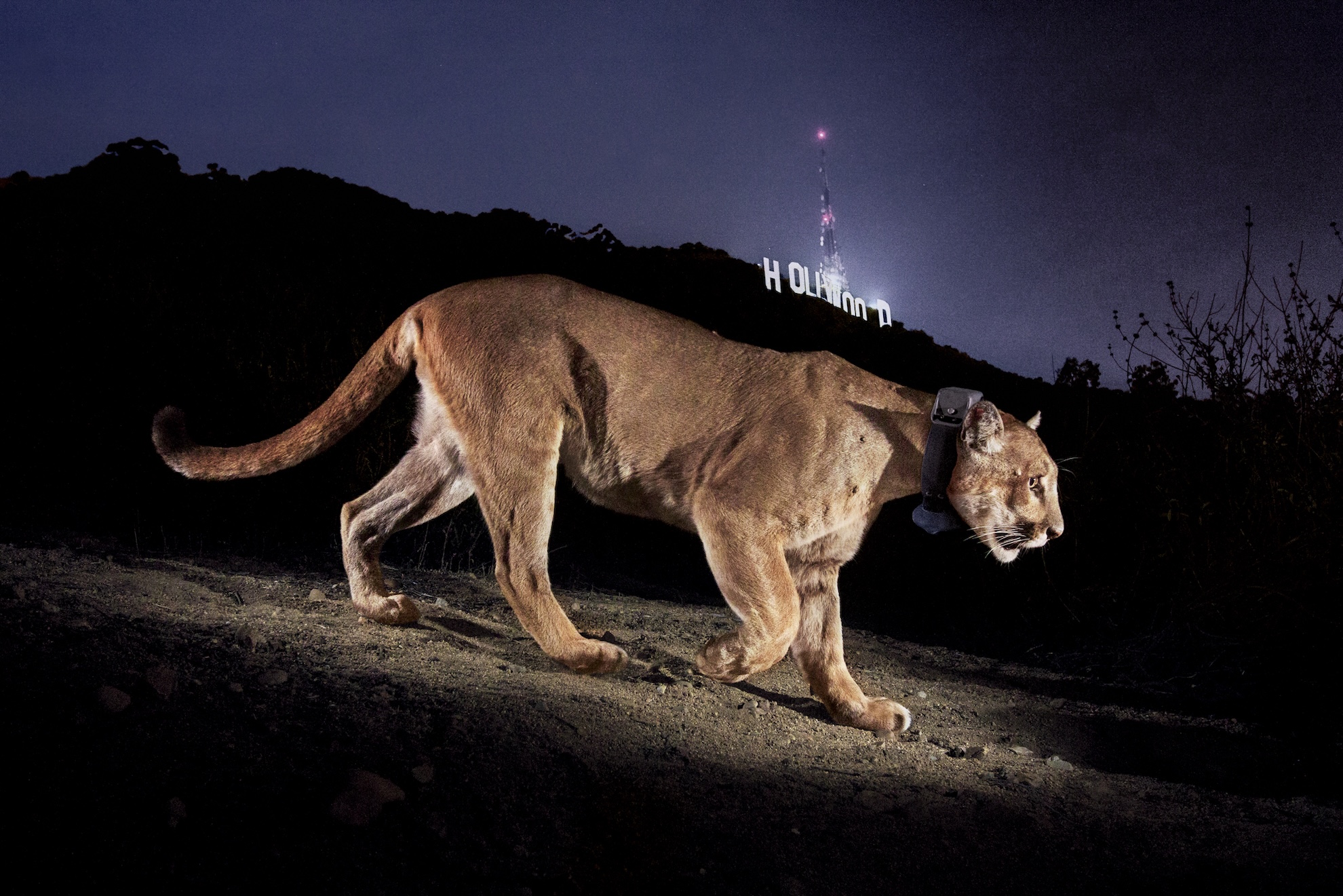
The famous photograph of mountain lion P-22 in front of the Hollywood sign, captured by Steve Winter, served as a catalyst for a conservation movement in Los Angeles. This image, which Winter spent a year trying to secure after National Park Service biologist Jeff Sikich initially stated there were no mountain lions in Griffith Park, eventually inspired funding for the Wallis Annenberg Wildlife Crossing. The photograph itself functioned as a potent visual argument, altering perceptions and consequently influencing resource allocation.
Historically, conservation efforts often gain momentum through such compelling, singular narratives. The visual proof of P-22’s existence in an urban-adjacent wilderness, despite initial skepticism, shifted public discourse and political will. This demonstrates how a single, well-distributed image can restructure the immediate priorities of stakeholders and reframe a regional conservation agenda.
However, attributing significant policy shifts solely to a photograph risks oversimplifying the underlying structural pressures on wildlife. While the P-22 image led to specific funding, it does not address the broader systemic threats that necessitate such interventions in the first place. Los Angeles, for example, is noted to brim with wildlife, but concurrent reporting from The Washington Post in 2025 indicated that fires make survival harder for these populations. This suggests an ongoing vulnerability to environmental degradation beyond the scope of a single wildlife corridor. The photograph generated a specific solution for a specific problem, but did not resolve the broader ecological instability driven by climate patterns or urban expansion.
For the Asia-Pacific region, where biodiversity is immense and pressures from development are acute, this case study offers a conditional lesson. A powerful image can galvanize support and direct funding to a particular issue, demonstrating a shift in decision-making power towards public sentiment influenced by media. Yet, the region's top 10 largest rainforests, as identified by BBC Science Focus Magazine in 2024, face complex, multi-faceted threats that a single image, however compelling, is unlikely to resolve in isolation. These threats often stem from industrial activity, agricultural expansion, and policy frameworks that prioritize economic growth over environmental protection, rather than from a lack of public awareness about specific animals.
Ultimately, while the P-22 photograph proved effective in generating capital for a specific infrastructure project, it also highlights the limitation of media-driven conservation when confronting deep-seated environmental challenges. The structural decisions concerning land use, climate resilience, and long-term ecosystem health remain largely independent of such episodic media events. The unresolved constraint lies in establishing durable policy frameworks that preemptively protect wildlife habitats, rather than reacting to their endangerment through impactful but isolated interventions.
Sources
Newsletter
Pacific Daily
A curated briefing from Thailand, Asia-Pacific and the world.