Hong Kong's Echoes: The Jumbo Floating Restaurant and the Allure of a Vanished Past
The city's cultural landscape increasingly navigates a tension between the symbols it presents to the world and the local experiences it commemorates, especially as familiar landmarks disappear.
HONG KONG
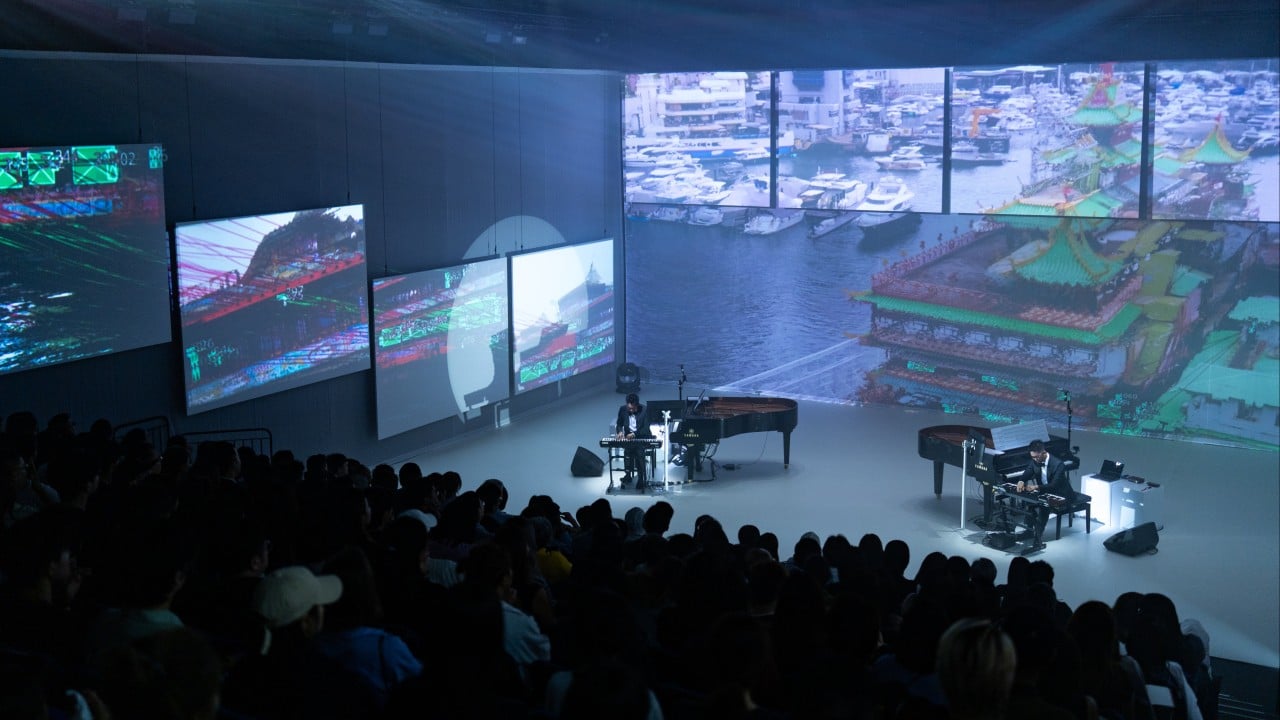
The recent Hong Kong Performing Arts Expo’s opening showcase evoked the city’s vanishing heritage. Among these, the Jumbo Floating Restaurant holds a particular resonance. When this landmark capsized and sank in the South China Sea in 2022, it triggered a wave of public sentiment. Social media users across the region lamented the loss of what many considered a culinary icon. This reaction underscores a deeper cultural pattern in Hong Kong, where the physical disappearance of once-prominent structures amplifies a sense of collective memory and sometimes, an unfulfilled longing.
Proposals circulated online regarding the restaurant’s future, ranging from an underwater restaurant to a diving sanctuary. No salvage operation or documentary project has yet materialized, leaving its fate a lingering mystery. This unresolved situation contributes to the restaurant’s mythos, allowing it to exist more vibrantly in the public imagination than perhaps it did in its final operating years. The focus on such symbols, from the Jumbo Floating Restaurant to neon signs, at events like the Hong Kong art-tech show, suggests a society grappling with its own rapidly evolving identity. Seeking comfort in what is familiar is a common human impulse, especially when the pace of change feels relentless.
This phenomenon extends beyond individual structures to encompass broader urban transformations. As Hong Kong continuously redefines its physical and economic contours, the question of what remains, and what is purposefully remembered, becomes central. The city’s push for “soft connectivity,” as noted by one adviser, aims to boost its regional prosperity. Yet, this often coexists with a civic desire to preserve or reconstruct elements of its past. The appeal of nostalgia, particularly in a globalized urban center, can become a powerful cultural signal. It reflects not just a simple affection for old things but also a complex negotiation of identity against a backdrop of global economic integration and future-oriented policy. The sentiment for the Jumbo Floating Restaurant reveals as much about contemporary Hong Kong’s cultural preoccupations as it does about the actual vessel itself.
For readers across the Asia-Pacific, Hong Kong’s relationship with its heritage offers a mirror to similar anxieties. Many cities in the region face parallel dilemmas: how to balance rapid development with the preservation of cultural touchstones. The response to the Jumbo’s sinking, particularly the immediate and widespread online lamentation, illustrates the pervasive influence of social media in defining collective memory. It permits a shared mourning for what is lost and generates imaginative alternatives for what might have been. This dynamic highlights how the digital sphere can both amplify sentiment and create a new kind of virtual legacy for physical spaces that have vanished. While the physical structure is gone, the conversation surrounding it remains active, fueled by what the public believes it represents.
This tendency to romanticize or re-imagine lost landmarks is not unique to Hong Kong, but its intensity there speaks to a deeper cultural thread. It prompts consideration of which elements of a city’s past are deemed essential to its present narrative, and whose memories are given prominence. The cultural events that feature these vanishing symbols do not just reflect nostalgia; they actively shape how a city perceives itself and how it wishes to be perceived. The ongoing public dialogue about the Jumbo Floating Restaurant, despite its physical absence, suggests an unresolved tension between progress and the enduring pull of a collective, remembered past.
Sources
Newsletter
Pacific Daily
A curated briefing from Thailand, Asia-Pacific and the world.