Hong Kong's Asia+ Festival, BRI, and the Quiet Recasting of Regional Identity
Amidst celebratory narratives of cultural fusion, the enduring frameworks that define Asia-Pacific exchange warrant closer observation.
HONG KONG
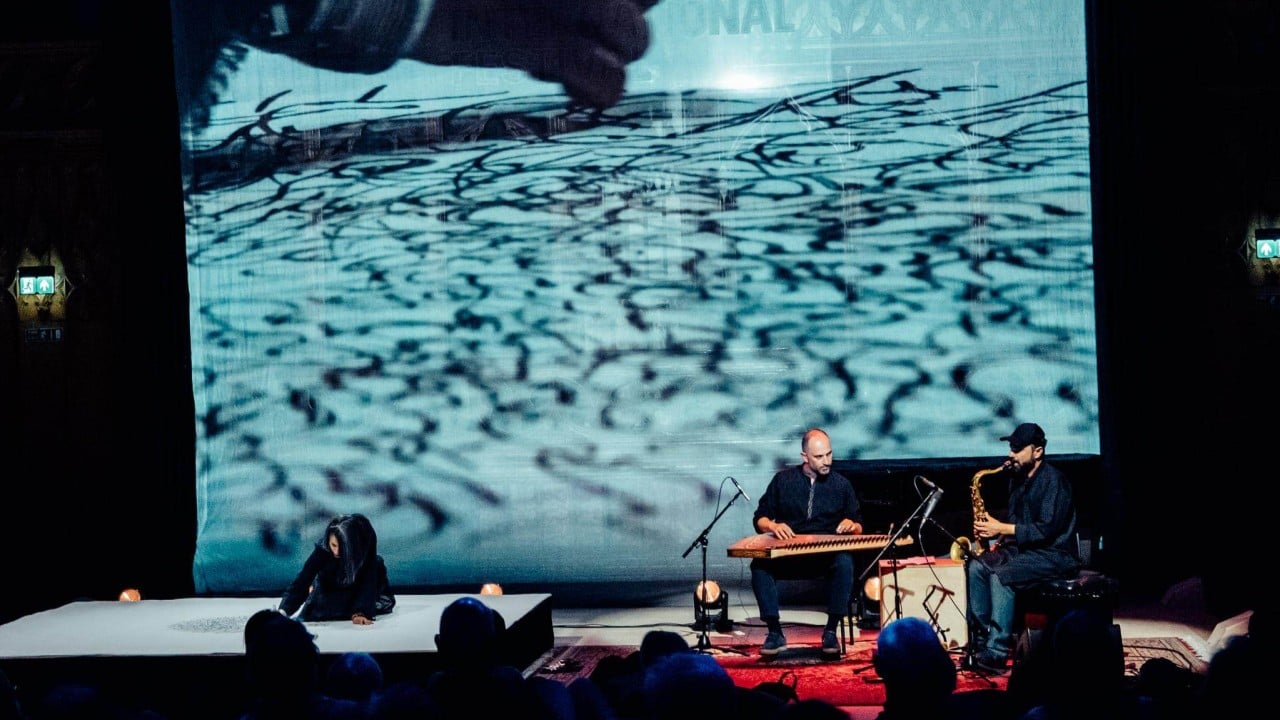
Hong Kong’s Asia+ Festival, an annual event now in its fourth edition, presents itself as a celebration of cultural diversity, particularly for countries linked by China’s Belt and Road Initiative. The theme for this year, “Traditions Recast,” highlights a stated aim of blending ancient forms with contemporary expressions. Two headline shows, "Melody-inspired calligraphy" and a "boundary-breaking mash-up," are presented as encapsulating this spirit, alongside "Middle Eastern music and script combine in Canvas of Sound" and Malaysian and Balinese percussionists exploring "divine energy in Taksu."
This framing of cultural exchange, however, invites consideration of the broader context within which such celebrations occur. The festival, organised by the Leisure and Cultural Services Department, explicitly focuses on regions tied to the Belt and Road Initiative, which is China’s plan to develop a global trading network. The emphasis on "recasting" traditions through collaboration suggests a dynamic process, yet the underlying mechanism of such cultural presentation is tied to a specific economic and geopolitical agenda. While the artistic fusions described may appear organic, their aggregation under this particular initiative implies a deliberate cultivation of shared identity or influence within its ambit.
The idea of "traditions recast" resonates differently across the Asia-Pacific. For Thailand, where cultural practices often blend and adapt, the question is not simply whether new forms emerge, but what historic threads remain intact and what is quietly given new interpretations within external frameworks. The festival’s explicit link to the Belt and Road Initiative suggests a deliberate curating of cultural narratives that align with this grander economic vision. This is not merely about art; it is about how art is leveraged to reflect or facilitate regional integration, or at least a perception of it, under particular auspices.
The festival's approach to showcasing "cultural diversity of the region" through this specific lens offers a snapshot of how large-scale initiatives can shape cultural discourse. The reported mash-ups and fusions, such as Balinese percussionists exploring "divine energy," are presented as novel expressions. Yet, the essential question remains: do these events authentically represent a spontaneous cultural evolution, or are they carefully selected examples that reinforce a particular narrative of connectivity and mutual benefit linked to the initiative? This distinction is crucial for understanding the deeper implications of such cultural projects in the Asia-Pacific, where local identities are constantly negotiating global and regional forces. The festival, running until the end of November, will continue to offer its perspective on this ongoing process.
Sources
Newsletter
Pacific Daily
A curated briefing from Thailand, Asia-Pacific and the world.