Ho Chi Minh City Expo Shows Vietnam's Rising Tourism Ambition
Record attendance at ITE HCMC 2026 signals a more competitive regional landscape, pressuring established markets.
SINGAPORE
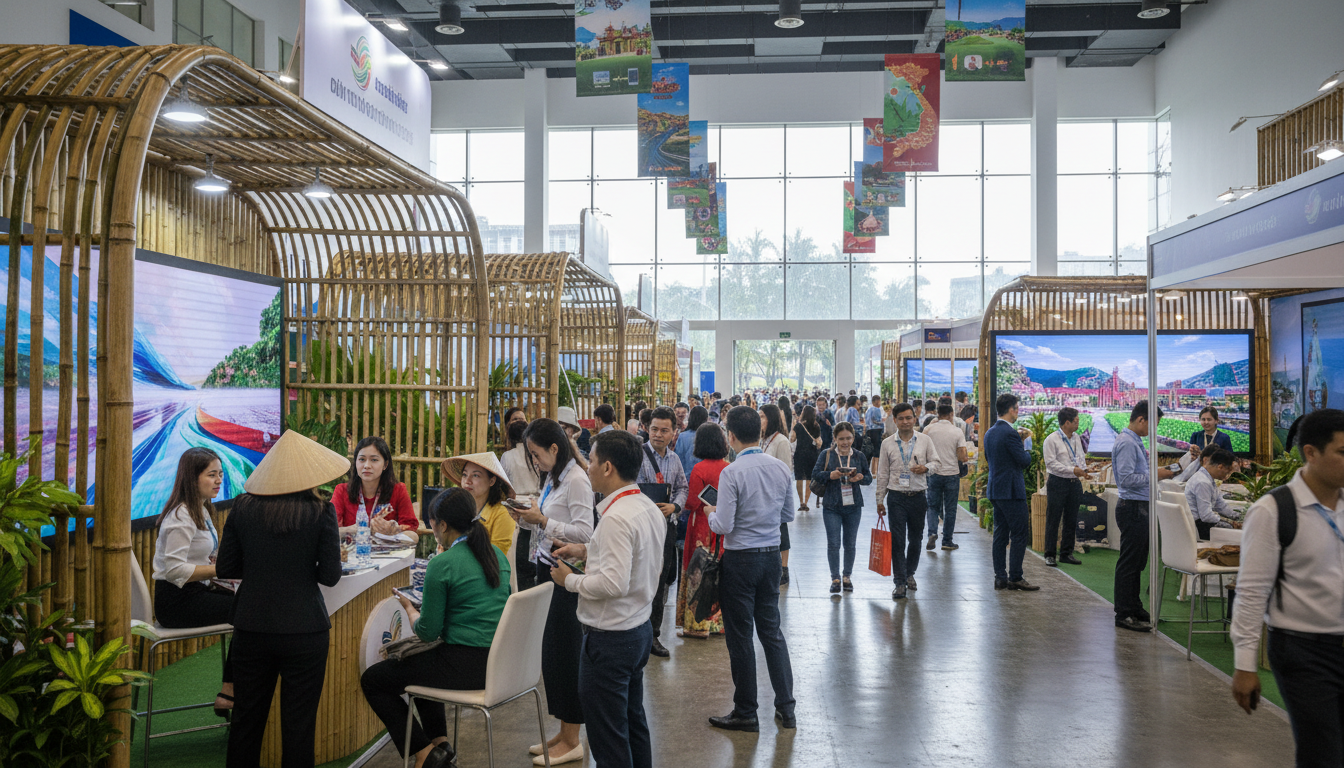
The 20th Ho Chi Minh City International Travel Expo (ITE HCMC 2026), held from August 27 to 29, 2026, at the Saigon Exhibition and Convention Center (SECC), recorded significant participation. The event welcomed 309 international buyers, media representatives, content creators, and media partners from 32 countries and territories. Over 520 exhibitors and tourism brands, representing Vietnam and international destinations, occupied 410 booths. A total of 47,960 visitors and participants engaged with the expo across on-site and online activities. This level of activity suggests Vietnam's increasing focus on drawing international tourism and MICE sector interest.
Ho Chi Minh City's capacity to host such an event reflects its broader development. One publication notes the city's transformation from 'swamps to skyscrapers in half a century.' Furthermore, 11 Vietnamese hospitals were recently named among Asia-Pacific's best, indicating a national investment in modern infrastructure and service capabilities that extend beyond direct tourism. These factors combined allow Ho Chi Minh City to present itself as a robust hub for both business and leisure travel, incentivizing the 309 international buyers with new market opportunities.
This shift presents a challenge for established tourism markets in the Asia-Pacific, particularly Thailand. Thailand's long-standing position in the region has been built on its reputation and extensive infrastructure. However, the observable growth in Vietnam's ability to host and attract significant international events, as seen with ITE HCMC 2026, implies a more competitive environment. The core issue for Thailand's tourism sector is not merely maintaining current visitor numbers, but actively defending its market share and perceived value against the rising capabilities of other nations now investing in their travel infrastructure and promotional efforts.
The recorded figures for ITE HCMC 2026, while substantial for a travel expo, should not be equated with direct tourism arrivals. The 47,960 visitors to the expo include industry professionals and online participants, making direct comparison to large public events such as the 805,000 fans at the NFL Draft in Pittsburgh or the 25,433 at a college soccer game in Georgia imprecise, as these represent different categories of attendance. Furthermore, the available information does not detail the specific financial transactions generated by the expo, which limits a quantitative assessment of its immediate economic impact beyond participation metrics.
Despite these distinctions, the consistent investment in events like ITE HCMC signals a strategic move by Vietnam to enhance its standing in the international tourism arena. This implies a potential reallocation of MICE and tourism expenditure across the region. Thailand, operating in a mature market, faces the economic imperative of continuous innovation and targeted marketing. The outcome hinges on how effectively established destinations can refine their offerings and pricing structures to remain competitive, particularly to the international buyer community now evaluating destinations such as Ho Chi Minh City.
Sources
Newsletter
Pacific Daily
A curated briefing from Thailand, Asia-Pacific and the world.