Hawaiʻi’s Tourist Shift: A Regional Model or a Cautionary Tale?
The islands' recent visitor trends suggest a policy outcome that may not align with strategic intent, offering a complex precedent for other coastal economies.
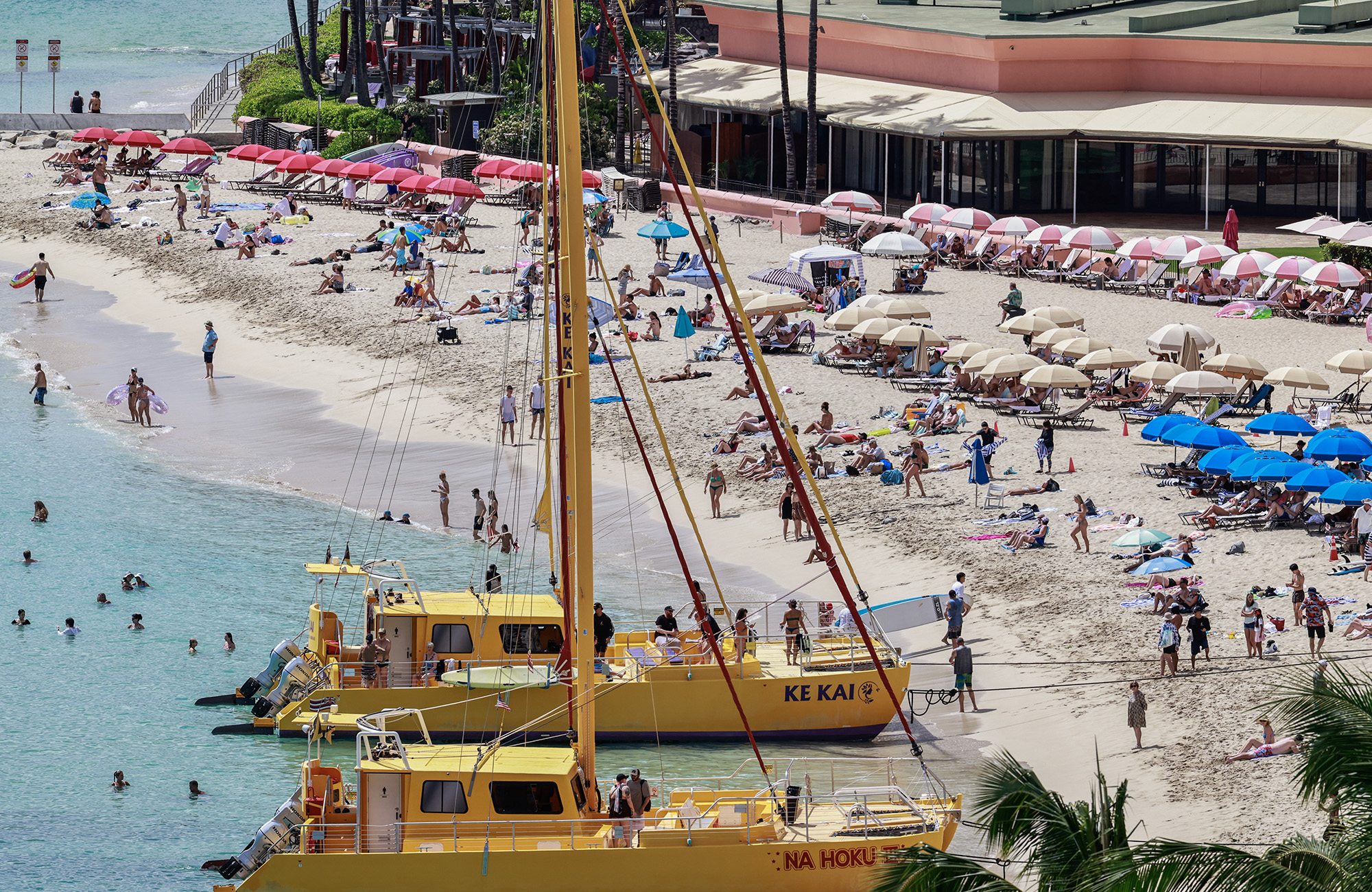
For years, Hawaiʻi communicated a specific vision for its tourism sector: fewer visitors who would spend more money, stay longer, and reduce their environmental impact. This policy direction emerged from decades where overcrowded beaches and local sites were reportedly overrun by outsiders, leading to negative local sentiment towards visitors. The stated objective was to address overtourism, a challenge familiar to many island nations and coastal regions reliant on the industry.
Recent visitor trends in Hawaiʻi show fewer tourists overall, but those who do visit are spending more. This outcome superficially aligns with a part of the stated policy ambition. However, whether this shift signals a successful, long-term reorientation of the state's largest industry, or merely reflects other underlying issues, remains a point of regional scrutiny. The Honolulu Civil Beat, reporting on these trends, indicates they may signal long-term problems for the industry, suggesting the observed pattern could be an unintended consequence rather than a strategic triumph.
Across the Asia-Pacific, many coastal states grapple with the economic imperatives of tourism against the social and ecological costs of high visitor numbers. Thailand, for example, faces similar pressures on its marine ecosystems and local communities. The Hawaiʻian experience, therefore, holds analytical value not as a blueprint, but as a case study in the complex interplay between policy formulation and market realities.
The challenge for policymakers is determining if reduced visitor numbers, coupled with increased spending, is a result of strategic intervention or broader market dynamics that could undermine the industry's stability. If the current trends are simply a reflection of external economic pressures or shifts in travel preferences, rather than a direct outcome of managed decline, then the perceived success of 'quality over quantity' could be fragile. This distinction is critical for regions contemplating similar shifts, as misinterpreting the cause could lead to misapplied strategies.
The initial policy aspiration in Hawaiʻi was clear: mitigate overtourism while sustaining economic benefits. The current trends, while showing fewer visitors and higher spend per visitor, require careful assessment to understand their true provenance. For coastal economies from the Andaman Sea to the Pacific, the question endures: can a policy written to rebalance tourism truly reshape market behavior, or does it merely react to it, leaving the fundamental vulnerabilities of reliance on external spending unaddressed?
Sources
Newsletter
Pacific Daily
A curated briefing from Thailand, Asia-Pacific and the world.