Gulf Producers' Asian Oil Reserves Shift Regional Energy Stability
Saudi Arabia and the UAE's reported move to increase oil reserves in Asia could alter regional supply dynamics and economic dependencies, with specific implications for nations like Thailand.
SINGAPORE
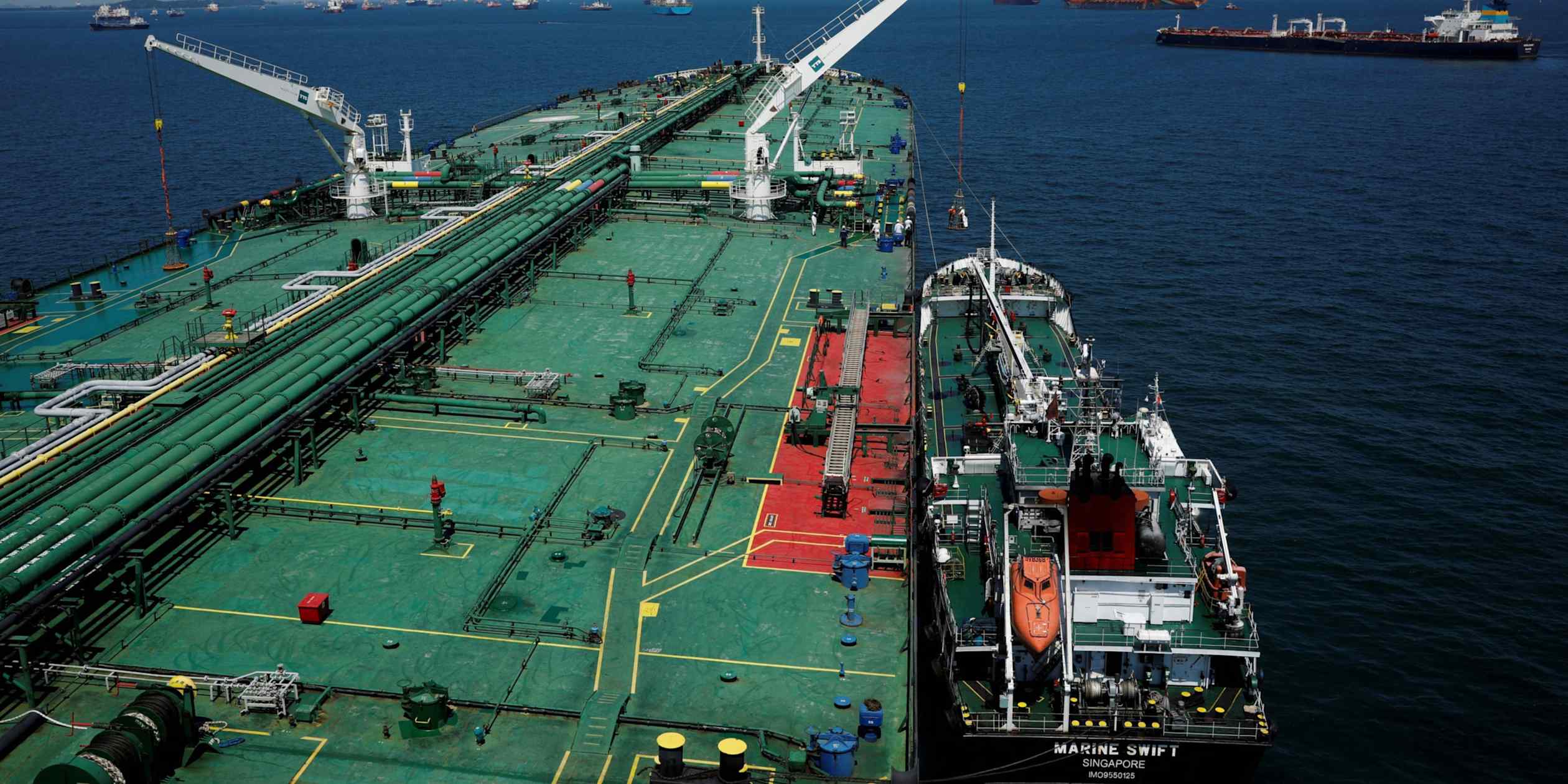
Saudi Arabia and the United Arab Emirates are bolstering Asia’s oil reserves, a development that points to a recalibration of supply chains across the Asia-Pacific. While specific storage volumes and locations are not detailed, the reported intention suggests a deeper strategic engagement beyond transactional sales of crude oil. This move directly affects oil-importing nations across the region.
Historically, Asian economies have relied on long maritime routes for crude oil, exposing supply to geopolitical risks and transit vulnerabilities. China, for example, aimed to create a 120-day buffer of strategic petroleum reserves by March 2026. This indicates a broader regional imperative to enhance energy resilience. The reported actions of Saudi Arabia and the UAE could serve a similar function by supporting storage facilities closer to key consumer markets.
For Thailand, a country heavily dependent on imported oil for its industrial and transport sectors, increased regional reserves could offer tangible benefits. Reduced transit times for emergency supplies would be one immediate advantage. A more distributed regional storage network might also temper price volatility, although this outcome depends on the scale and management of these new reserves. The underlying economic argument suggests proximity reduces both cost and risk for consumers.
However, this shift also introduces complexities. While greater immediate availability of crude could stabilize supply, it also deepens the reliance of Asian economies on Saudi Arabia and the United Arab Emirates. The motivation for such an expansion from these states is likely multifaceted, encompassing strategies to secure long-term market share against rising competition. It also includes potentially exerting greater influence over regional energy policy. The United States approved nearly $2 billion in weapons sales to Saudi Arabia by July 2026, which suggests a complex web of alliances and interests that extend beyond pure energy economics.
The strategic rationale for Saudi Arabia and the United Arab Emirates to enhance their presence in Asia is underpinned by persistent demand. Even as global energy transitions unfold, oil remains central to Asian economic growth projections. Securing storage in the region translates directly into a more robust market position, insulating against potential disruptions in global shipping lanes or shifts in international energy politics.
One perspective suggests these expanded reserves are primarily a commercial play, aimed at ensuring reliable off-take for future production capacity. This argument posits that producers are optimizing logistics to meet sustained demand in the fastest-growing energy markets. The scale of reported engagement and the strategic nature of energy supply, however, suggest that more than just commercial efficiency is at stake. It implies a conscious effort to embed their supply more deeply within the region’s infrastructure, thus making their oil an even more indispensable part of Asia's energy mix.
The absence of precise details regarding the ownership, operational control, and financial structures of these new reserves leaves much uncertain. Will these facilities be jointly managed, or will they remain under the direct control of Saudi Arabia and the United Arab Emirates? The answers will determine the true extent of Asia’s enhanced energy security versus its increased dependency. The outcome depends on how these agreements are structured and whether they genuinely empower Asian nations with greater control over their energy future.
Sources
Newsletter
Pacific Daily
A curated briefing from Thailand, Asia-Pacific and the world.