Greening the Skyline: Asia-Pacific's Sustainable Construction Revolution
As environmental mandates tighten, developers across the region are embracing a new generation of materials and technologies, transforming concrete jungles into eco-conscious hubs.
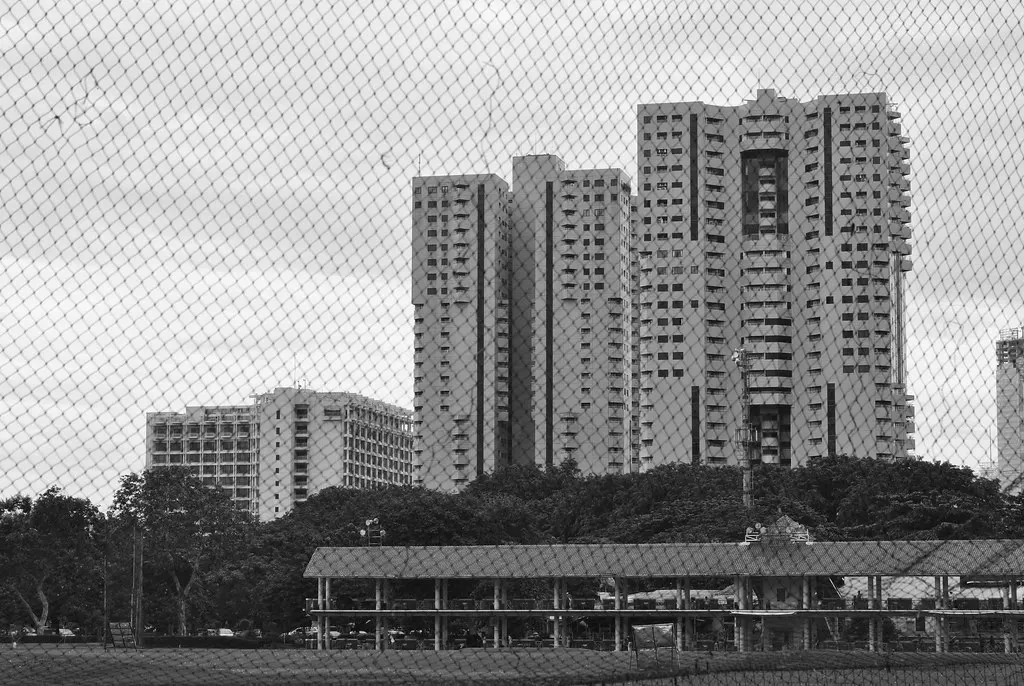
SINGAPORE
From the sprawling megacities of China to the burgeoning metropolises of Southeast Asia, the Asia-Pacific region stands at a critical juncture. Rapid urbanization and economic growth have long been powered by conventional construction, but the environmental toll is now undeniable. With governments enacting stricter climate policies and consumers demanding more responsible development, a seismic shift is underway on building sites across the region. Developers, once prioritizing speed and cost above all else, are now champions of sustainable innovation, integrating groundbreaking materials and green technologies to meet — and often exceed — escalating environmental standards.
One of the most impactful transitions is away from traditional concrete and steel. These materials, while foundational to modern architecture, carry substantial embodied carbon. In their place, we are seeing the rise of engineered timber, particularly cross-laminated timber (CLT) and glulam. Projects like the 'Pura’s Block' in Melbourne or Tokyo's 'MITSUI Fudosan & Kajima's Wood Rise' are testament to timber's structural integrity and aesthetic appeal. Beyond its carbon-sequestering properties, wood construction significantly reduces on-site waste and offers faster assembly times, a considerable advantage in densely populated urban centers where construction noise and disruption are major concerns. The shift isn't merely aesthetic; it's a fundamental recalibration of building's environmental footprint, from ground-breaking to occupancy.
Beyond structural elements, the envelope of a building is receiving critical attention. 'Smart glass' or electrochromic windows are gaining traction, dynamically adjusting tint to control solar heat gain and glare, thereby reducing reliance on air conditioning – a significant energy guzzler in the region's often tropical climate. Similarly, 'cool roofs' utilizing highly reflective materials are being mandated in some cities, reflecting sunlight and dissipating heat, lowering indoor temperatures and combating the urban heat island effect. These are not merely passive elements; integrated building management systems (BMS) are increasingly sophisticated, using AI-driven analytics to optimize everything from lighting and HVAC to water consumption, often drawing data from an array of IoT sensors embedded throughout the structure. For instance, Singapore's Jewel Changi Airport, while not a residential project, exemplifies this integration with its extensive use of natural ventilation and daylighting controlled by a smart system.
The Circular Economy in Construction
Waste reduction and resource efficiency are no longer buzzwords but operational imperatives. The concept of the 'circular economy' is manifesting in construction through sophisticated recycling programs and the valorization of waste materials. Recycled aggregate concrete, once viewed with skepticism, is now a viable and often preferred option for non-structural elements. Research into 'green concrete' using industrial by-products like fly ash or ground granulated blast-furnace slag (GGBS) as cement substitutes is yielding impressive results, significantly cutting down on the carbon-intensive production of Portland cement. Furthermore, prefabricated modular construction, long a staple for efficiency, is being reimagined with sustainability at its core. Entire sections of buildings, complete with insulation and internal finishes, are assembled off-site, minimizing waste, improving quality control, and drastically speeding up on-site construction. This approach, prevalent in housing developments in Australia and increasingly adopted in areas like Vietnam, epitomizes resource optimization.
"The ambition now is not just to build, but to build better – for the environment, for the community, and for the long-term resilience of our cities."
Water management is another crucial arena. Rainwater harvesting systems, greywater recycling, and low-flow fixtures are becoming standard inclusions, particularly in water-stressed regions. Beyond individual buildings, developers are looking at district-level solutions, integrating green infrastructure like permeable pavements, bioswales, and urban green spaces that not only manage stormwater but also enhance biodiversity and provide crucial urban cooling. The rise of vertical gardens and 'biophilic design' – integrating nature into the built environment – serves not only aesthetic purposes but also offers tangible benefits like improved air quality and reduced energy consumption.
The trajectory is clear: sustainable construction in the Asia-Pacific is moving beyond token gestures. It is becoming an intrinsic part of the development process, driven by a confluence of regulatory pressure, technological advancement, and a growing recognition of environmental stewardship as a core business value. The region's innovative developers are not just building structures; they are building a more resilient, resource-efficient future, one eco-friendly brick and smart panel at a time. The transition will be challenging, demanding significant investment and a re-skilling of the workforce, but the alternative – unchecked environmental degradation – is simply no longer an option. This is not just a trend; it's the future of building in Asia-Pacific.
Newsletter
Pacific Daily
A curated briefing from Thailand, Asia-Pacific and the world.