Exclusion in Water Governance: The Real Cost of Neglecting Indigenous Women's Leadership
While Indigenous women are underrepresented in water management roles, their leadership offers a route to more effective and resilient resource solutions.
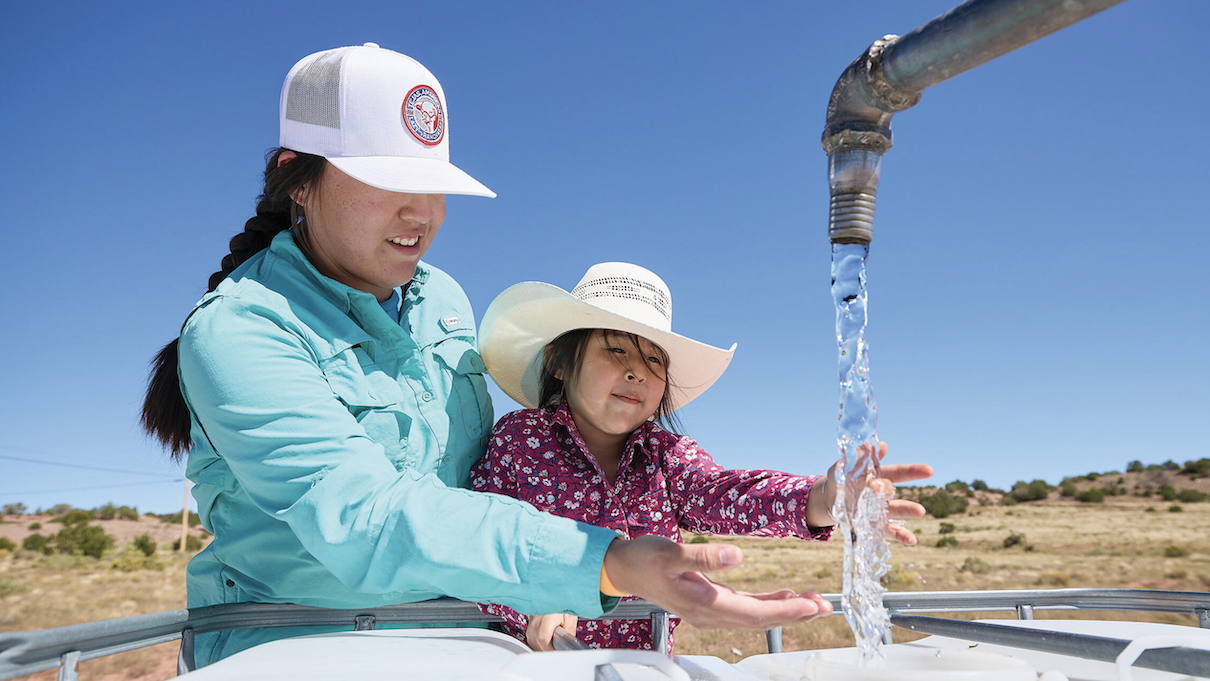
The persistent underrepresentation of Indigenous women in water governance and related workforces carries tangible implications for environmental policy and resource management across the Asia-Pacific. Data indicates Indigenous women constitute less than one in three voices in water governance, a figure that obscures the potential for more effective and equitable solutions.
A Mongabay Asia commentary on October 12, 2026, highlighted that Indigenous women bring leadership, creativity, and joy to clean water action. This observation points to a fundamental mismatch: a critical sector struggling with complex problems is systematically excluding a demographic identified as a source of problem-solving capacity. The Hopkins Bloomberg Public Health Magazine noted Indigenous Knowledge offers solutions to environmental crises. This suggests the issue extends beyond mere representation, touching upon the quality and effectiveness of environmental strategies.
Exclusion in water management has clear economic and social costs. When a significant portion of a population, particularly those with intergenerational knowledge of local ecosystems, is sidelined, policy gaps inevitably emerge. The absence of these perspectives can lead to interventions that fail to account for specific community needs or environmental nuances. A focus on large-scale infrastructure projects, for instance, might overlook sustainable, community-led water conservation methods proven over centuries. This contributes to situations where essential resources are mismanaged, potentially leading to scarcity or contamination that disproportionately impacts vulnerable populations.
Some might argue the primary concern in water management is technical expertise and financial investment. This view overlooks the comprehensive nature of environmental challenges. Technical solutions, without local engagement and understanding, frequently falter. The long-term success of water initiatives often depends on community buy-in and a nuanced appreciation of local conditions. Reports describing Indigenous Haida fighting invasive species off Canada's Pacific coast demonstrate how Indigenous communities actively engage with environmental threats using their knowledge. This highlights the practical value of integrating Indigenous perspectives into wider environmental strategies, especially in regions like the Pacific Rim, which faces increasing climate pressures and resource competition.
Implications for Thailand and the Pacific Rim
For Thailand, where water security is a constant concern amid agricultural demands and rapid urbanization, the implications are direct. The country's rural communities, many with deep-rooted connections to local water systems, represent a largely untapped resource for informed water management. Ignoring the leadership potential of Indigenous women in these contexts means foregoing solutions that could be more resilient and culturally appropriate than top-down approaches. This perspective is not merely about fairness; it is about efficiency and sustainability in managing a finite resource.
The ongoing challenges posed by extreme weather events, such as Hurricane Polo in Mexico's northern Pacific coast on September 29, 2026, and Hurricane Rachel strengthening off the same coast on October 1, 2026, underscore the urgent need for adaptable and locally informed water strategies across the Pacific Rim. These events show the increasing stress on water systems, making comprehensive management more critical. The outcome of regional water policies now depends on whether governance structures evolve to genuinely integrate diverse leadership. The economic and social returns on investing in inclusive water management, particularly by empowering Indigenous women, are substantial. Failure to do so risks perpetuating existing inefficiencies and exacerbating future resource crises across the Asia-Pacific, leaving critical challenges unresolved.
Sources
Newsletter
Pacific Daily
A curated briefing from Thailand, Asia-Pacific and the world.