Esports' Ascent: Beyond the Pixels in Aichi-Nagoya
The Asian Games' embrace of digital contests reflects shifts in how Asia defines sport and competition.
SINGAPORE
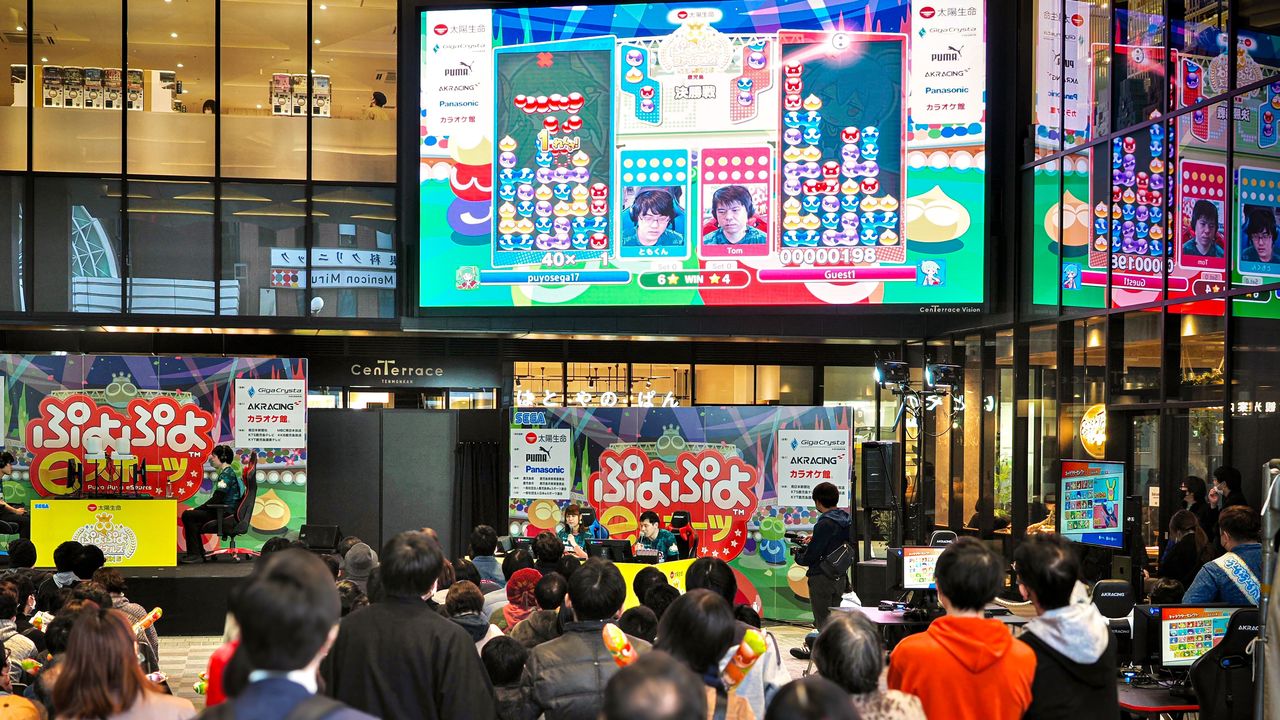
The appearance of esports at the Aichi-Nagoya Asian Games marks the second occasion for these digital contests to feature as an official medal event. Following its debut as a demonstration sport in Jakarta-Palembang in 2018 and its full inclusion in Hangzhou in 2023, the 2026 Games present an expanded program: 13 titles across 11 events. This expansion includes a notable number of games tied to Japanese publishers, such as *Fighter 6*, *Tekken 8*, *Puyo Puyo Champions*, *Gran Turismo 7*, *eFootball*, and *Pokémon Unite*. Japan will field 25 players across nine titles in seven events.
This integration of esports into a traditional multi-sport event reflects more than simply an update to the competitive menu. It signals a changing perception of what constitutes sport and national representation in the Asia-Pacific. The move could be seen as aligning with the region's youthful demographics and its deep engagement with digital culture. The official recognition by a body like the Olympic Council of Asia suggests a calculated move to capture new audiences and maintain relevance. This is particularly salient in a region where the global gaming industry finds a significant market and where digital entertainment holds considerable cultural weight.
However, the narrative is not uniformly celebratory. While countries like Hong Kong have expressed ambitions to build an industry around esports success — an official cited their silver medal in Hangzhou as a foundation — the inherent commercial ties to specific game publishers present a different challenge than traditional sports. Unlike track and field or swimming, esports events are bound to proprietary software, making the 'sport' inseparable from its corporate origin. The host nation's strong showing of domestically published titles highlights this commercial dimension. This contrasts with traditional sports, where the equipment and rules are generally universal and unowned, focusing competition squarely on human performance.
This phenomenon invites questions about the nature of athletic achievement itself. Is skill in a commercially developed digital environment comparable to physical prowess on a field or court? The ongoing discussion around esports' legitimacy as 'sport' often overlooks its economic underpinnings, which are far more direct and visible than in, for instance, cricket. Interestingly, Japan, while embracing esports at the Asian Games, is also hosting T20 World Cup qualifiers at a new cricket stadium built for the Games, signaling a simultaneous investment in traditional, albeit non-native, sports. This duality reveals a pragmatism: engage with the digital zeitgeist while also investing in established international sporting infrastructures.
The growing inclusion of esports in events like the Asian Games reflects a desire to adapt to evolving cultural consumption. It also highlights the intricate dance between cultural authenticity, commercial interests, and the quest for relevance in global competitions. The Aichi-Nagoya Games will not only showcase digital talent but also illustrate this tension, where a celebration of skill remains intertwined with the products that enable it.
Sources
Newsletter
Pacific Daily
A curated briefing from Thailand, Asia-Pacific and the world.