Currents of Change: Southeast Asia's Electric Yacht Surge Navigates Choppy Infrastructure
A projected 15% rise in green yacht sales by 2026 demands a closer look at market enthusiasm versus on-the-ground readiness.
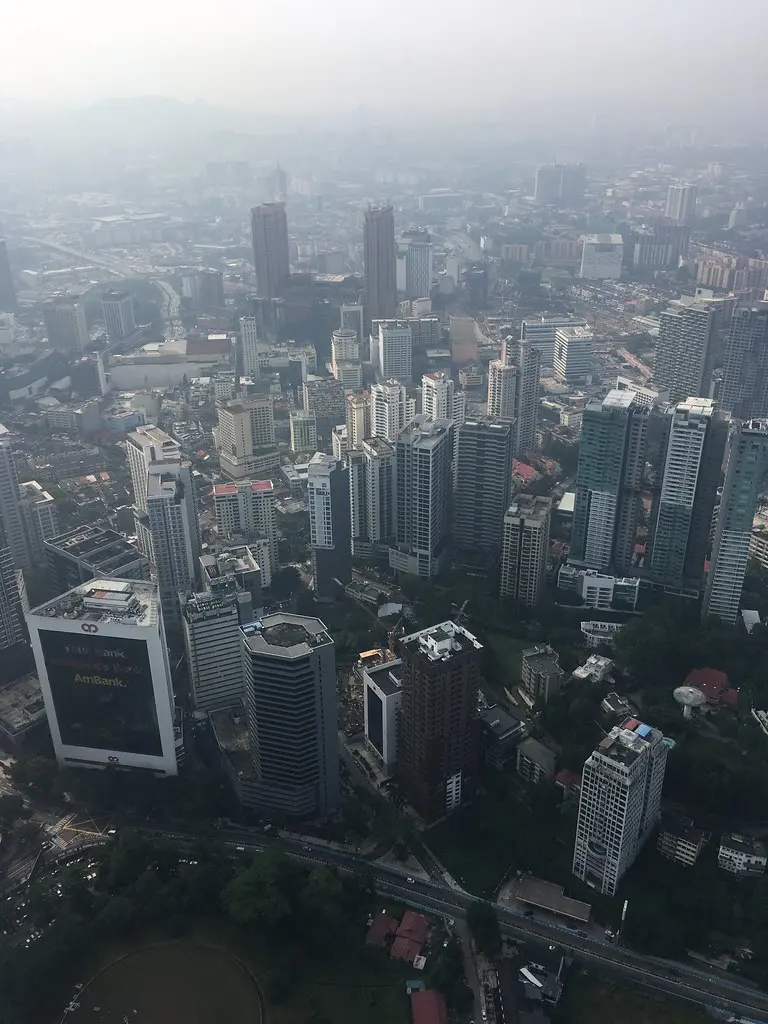
BANGKOK
PHUKET, Thailand – The gentle lapping of waves against the sleek hulls at Ao Po Grand Marina usually soundtracks conversations about horsepower and transatlantic ranges. Lately, however, the buzz among brokers and owners, from Singapore to Koh Samui, has a distinct, quieter hum: electric and hybrid propulsion. A recent industry forecast, often whispered about at exclusive yachting events like the Thailand Yacht Show, predicts a robust 15% increase in electric and hybrid yacht sales across Southeast Asia by 2026. As a correspondent who's logged countless hours traversing these waters, I find this figure both exhilarating and, frankly, a touch optimistic when viewed through the lens of current infrastructure.
From my vantage point, sipping a strong Thai iced tea at the Phuket Yacht Haven, the drivers behind this projected surge are crystal clear. Environmental consciousness, once a niche concern, has entered the mainstream of high-net-worth individuals. I’ve spoken to Captain Lars Christensen, master of a 60-foot Lagoon 60 catamaran, currently undergoing an electric repower in Krabi. “My owner, a Singaporean entrepreneur, insists on reducing our carbon footprint. He’s looking at solar arrays, hydrogeneration, everything. It’s not just about compliance anymore; it's about reputation and a genuine desire to protect the very waters we enjoy,” Christensen told me, gesturing towards the emerald Andaman Sea. This sentiment is echoed by regional dealers like Marine Partners Thailand, who report a noticeable shift in enquiries from diesel-only to hybrid or fully electric options, particularly for yachts under 25 meters, ideal for island hopping.
Technological advancements are another powerful current. Batteries are getting lighter, more powerful, and charging times are decreasing. Builders like Silent-Yachts and Sunreef Eco are not just concept drawings; their vessels are cruising these very waters, silently gliding past the limestone karsts of Phang Nga Bay. The increasing number of superyacht tenders going electric, a trend I observed firsthand at the recent Singapore Yachting Festival, acts as a crucial proving ground, normalising the technology for larger vessels.
However, the grand vision of a fully electrified fleet cruising seamlessly across the region runs headlong into the reality of infrastructure. While the demand is surging, the charging network remains, for the most part, a phantom. I recall a recent conversation with Mr. Lim Eng Chuan, a veteran marina manager in Langkawi. “We have an 80-foot Sunreef 80 Eco coming next year, and honestly, we’re still figuring out how to consistently provide the fast-charging capabilities it needs without overhauling our entire electrical grid,” he admitted, shaking his head. “It’s a chicken and egg situation. Yachts need charging, but marinas need the investment and incentive to install it. And who pays?”
"The ambition for green yachting in Southeast Asia is undeniably high, but the journey from aspiration to widespread adoption hinges entirely on a robust, accessible charging infrastructure that simply isn't there yet."
Thailand, with its mature yachting industry, is perhaps best positioned. Marinas like Ocean Marina Yacht Club in Pattaya and the aforementioned Ao Po Grand are beginning to explore high-power charging solutions, often requiring significant upgrades to shore power pedestals and transformers. But venture beyond these prime locations to the myriad smaller, idyllic anchorages and remote islands, and the infrastructure virtually vanishes. Imagine a 45-foot catamaran needing a full recharge in the Similan Islands. It’s currently an impossibility without a generator or a lengthy, inefficient slow charge from a distant shore point.
Government incentives, crucial for catalyzing infrastructure investment, are largely absent or nascent in most of the region. While Singapore has ambitious green shipping initiatives, they are yet to translate into significant, direct support for recreational yachting charging networks. Vietnam and Indonesia, emerging markets with immense marine tourism potential, are even further behind. The focus remains heavily on commercial ports and coastal development rather than dedicated yachting infrastructure.
To meet this 15% projected growth, the industry needs to move beyond isolated bespoke solutions. We need standardised charging protocols, strategic investments in high-speed shore power at key marinas, and crucially, collaborative efforts between yacht builders, marina operators, and local governments. Without these foundational changes, the electric yachting dream in Southeast Asia risks becoming a series of short, charged hops rather than the expansive, sustainable cruising ground it promises to be. The current is there, the desire is palpable, but the conduits for its widespread flow are still largely unbuilt on back remain critically underdeveloped.
Newsletter
Pacific Daily
A curated briefing from Thailand, Asia-Pacific and the world.