Cross-Strait Friction Fades into Balance Sheets
Allowing Singapore savers direct custody of the ringgit strips physical cash of its ritual role across the northern causeway.
SINGAPORE
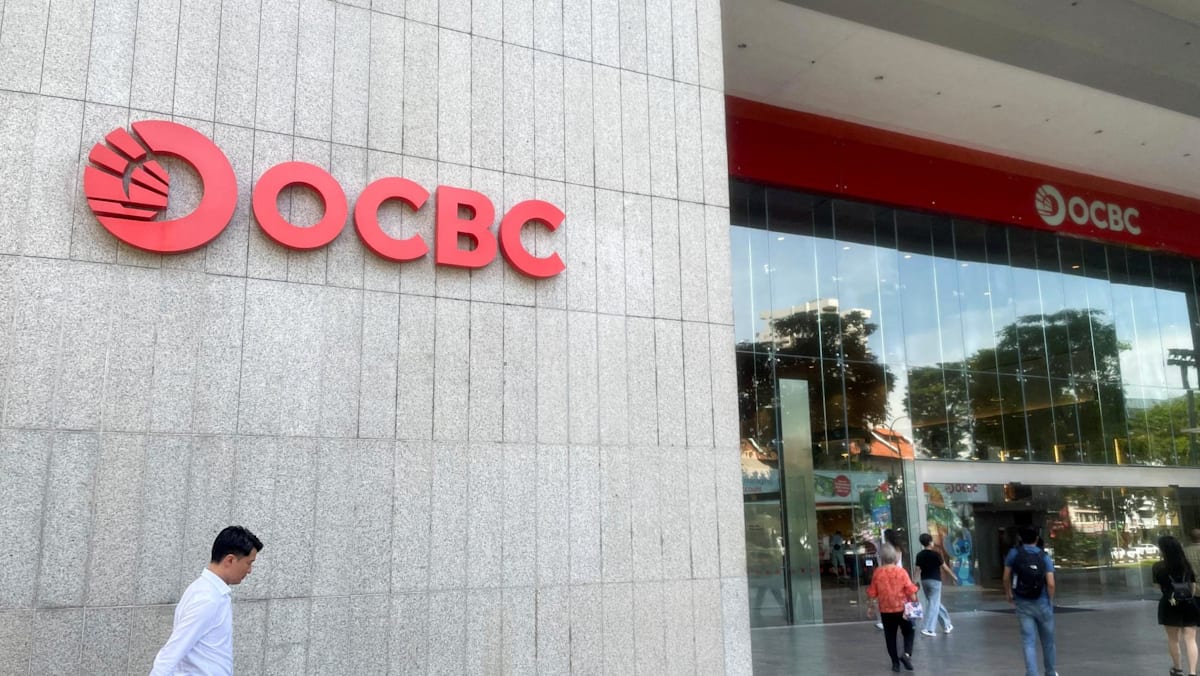
Cross-border transit between Singapore and Malaysia has long relied on a preliminary stop at physical money changers tucked into concrete shopping concourses. Travelers queued under fluorescent tubes to swap Singapore dollars for paper bands of Malaysian ringgit before boarding buses or steering cars across the water. Oversea-Chinese Banking Corp alters that routine on Oct 23 by becoming the first non-Malaysian bank to permit Singapore savings accounts to hold ringgit directly. Under the rollout reported by regional news outlets, customers can spend the currency using OCBC debit cards or withdraw cash at ATMs across Malaysia.
Exchanging physical cash previously established a tangible recognition of crossing into foreign territory. That manual exchange compelled visitors to calculate daily costs against unfamiliar paper, registering national distance through physical notes. Digitizing that balance suggests a shift that softens the boundary into an extension of domestic routine. Singaporean travelers gain the efficiency of holding ringgit beforehand, spending directly without negotiating foreign exchange counters upon arrival. Yet that convenience also subtly recalibrates the economic texture between two deeply intertwined neighbors.
Commercial financial institutions tend to measure progress by the friction they eliminate from daily life. By allowing ringgit deposits directly within Singapore-based accounts, OCBC absorbs an exchange step that historically belonged to street-level kiosks and domestic lenders. Customers can bypass currency queues at arrival points, converting funds ahead of travel from a desktop or phone. The immediate advantage belongs to frequent commuters and cross-strait households who navigate daily life between Singapore and Malaysia.
The Friction of Arrival
Convenience rarely expands without altering the psychological weight of entering another country. When visitors tap debit cards or draw cash from automated teller machines across Malaysia, the destination risks functioning as little more than a frictionless retail node. Such fluidity enhances consumer ease, but it inevitably changes how a visitor encounters the host market.
Financial settlement without physical exchange softens the practical threshold separating two distinct national systems.
Traditional currency desks charged fees, but they also imposed a deliberate pause on the traveler. Stepping up to an exchange window required reckoning with relative purchasing power, wage differences and local costs. Managing ringgit through a home banking application tends to obscure that distinction. The currency effectively operates as an auxiliary digital balance, accessed with the same card tap used to purchase coffee in central Singapore.
Sovereignty in the Wallet
Skeptics might argue that cross-border card transactions have long bypassed physical paper, rendering notes secondary for modern travelers. Digital networks routinely handle overseas settlement without requiring account holders to touch paper. Yet institutional custody marks a distinct structural development. Allowing a non-Malaysian institution outside the country to maintain personal ringgit deposits shifts everyday retail balances across borders, suggesting an economic integration driven by private banking infrastructure rather than formal state treaties.
Physical currency counters inside transit concourses will certainly not disappear overnight. Cash continues to underpin small-scale merchants, transport stalls and local food markets across Malaysia, where automated teller machines remain essential when digital payment networks fail. Even so, the imperative to secure paper currency before departing Singapore appears poised to decline steadily.
At the northern border, queues of passenger vehicles will continue to form at immigration checkpoints. Drivers who previously carried envelopes of exchanged paper notes can now travel with standard banking cards in their pockets. The concrete causeway crossing remains deliberate and slow, but the practical transition between currencies increasingly takes place inside a digital balance before the journey even begins.
Sources
Newsletter
Pacific Daily
A curated briefing from Thailand, Asia-Pacific and the world.