Commercial Cinema and the Limits of Symbolic Redemption
Tommy Tom Chung-sing's bowling melodrama Spare Queens illustrates how formulaic devices undermine performance-driven storytelling across regional screens
SINGAPORE
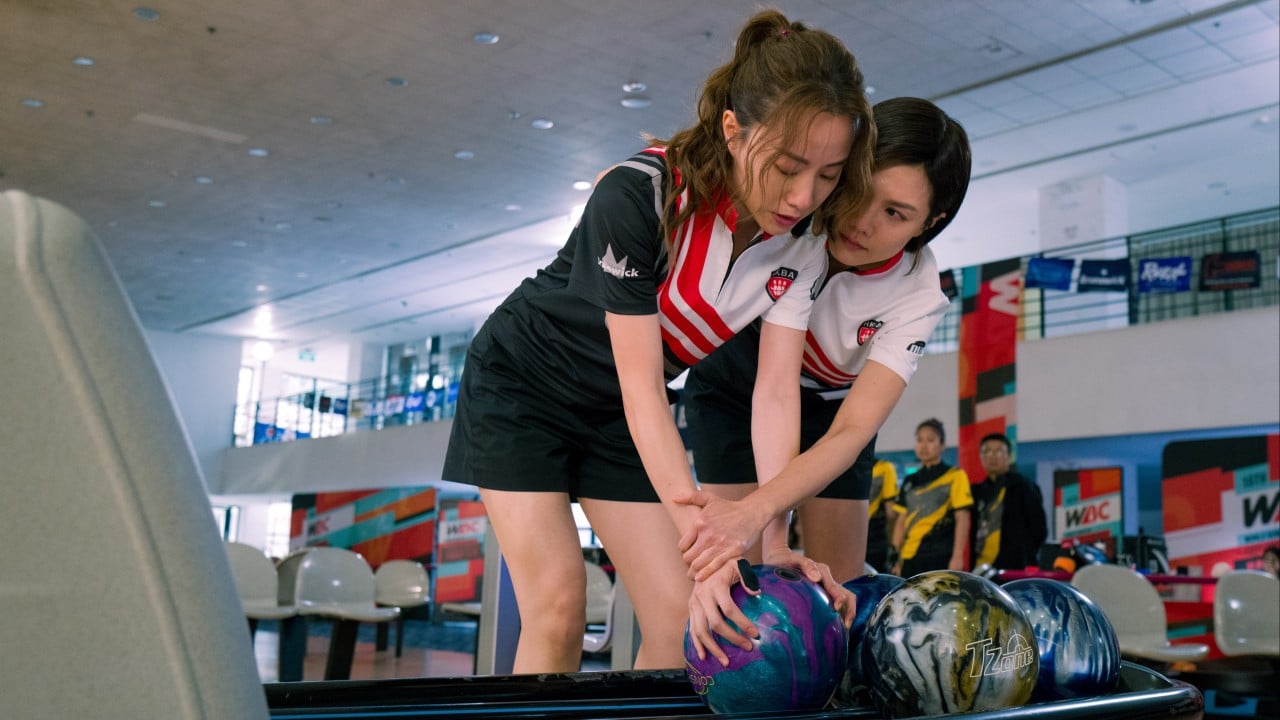
Commercial film production across the Asia-Pacific has periodically turned to athletic discipline as a shorthand for personal rehabilitation. Sports melodrama offers an accessible narrative architecture, allowing filmmakers to chart redemption through physical precision and visible competition. When debut director Tommy Tom Chung-sing structured Spare Queens around the mechanics of tenpin bowling, the intent was to anchor character conflict within an unforgiving athletic framework. The resulting production, however, demonstrates the structural vulnerability of relying on overt metaphor rather than narrative rigor.
At the center of the production sits the 7-10 split, a bowling arrangement requiring a competitor to knock down the leftmost and rightmost pins in a single delivery. Within the film, this notoriously difficult shot serves as an overt substitute for personal second chances. Casting Chrissie Chau and Stephy Tang as rivals established an expectation of substantive interpersonal drama between two experienced screen presences. Instead of developing the complex tensions of two deeply flawed protagonists, the narrative reduces their friction to the mechanics of an engineered sporting climax.
Structural Reliance on Mechanical Metaphor
Genre cinema sustains regional influence when character motivation dictates plot progression rather than the reverse. In Spare Queens, the mechanical device overshadows the human stakes. The evaluation of the film as an aggressively clumsy melodrama reflects an unresolved imbalance between premise and execution. The production attempts to extract profound emotional resonance from an athletic anomaly, yet the scenario offers insufficient psychological groundwork to justify that weight.
Defenders of mainstream commercial melodrama might argue that genre conventions intentionally favor broad, legible symbolism over understated realism. Accessible sports allegories frequently succeed precisely because audiences readily grasp clear stakes, and pairing established performers such as Chau and Tang provides immediate star recognition. That argument holds validity when narrative pacing supports the melodrama, allowing viewers to invest in the emotional stakes regardless of thematic obviousness.
The resulting production demonstrates the structural vulnerability of relying on overt metaphor rather than narrative rigor.
Yet simplicity cannot compensate for dramatic incoherence. An audience presented with flat symbolism recognizes when emotional breakthroughs are manufactured by script convenience rather than earned through narrative development. When a film depends entirely on the outcome of a single split shot to resolve complex interpersonal grievances, it abdicates the responsibility of dramatic progression.
The Commercial Costs of Derivative Scripting
This structural shortcoming carries implications for creative competitiveness within regional markets. Filmmakers working across Asian screen ecosystems face audiences increasingly discerning about narrative quality. Spectators possess ready access to diverse narrative traditions, rendering derivative scripts instantly noticeable. While debut features inevitably navigate budgetary and technical limitations, thematic oversimplification remains an avoidable liability.
What ultimately constrains Spare Queens is not the modesty of its bowling-alley setting, but the hesitation to let human friction unfold without artificial narrative intervention. An impossible split on an oiled lane may captivate bowling purists as a display of fortune and geometry. Translating that athletic geometry into cinematic substance requires psychological precision that melodrama alone cannot supply.
Sources
Newsletter
Pacific Daily
A curated briefing from Thailand, Asia-Pacific and the world.