Cascading Risk: US Drought Signals Wider Water Stress, Implications for Asia-Pacific Agriculture
Record low reservoir levels in the United States highlight the systemic nature of global water insecurity, posing indirect but significant challenges for Asia-Pacific's agricultural exports and economic stability.
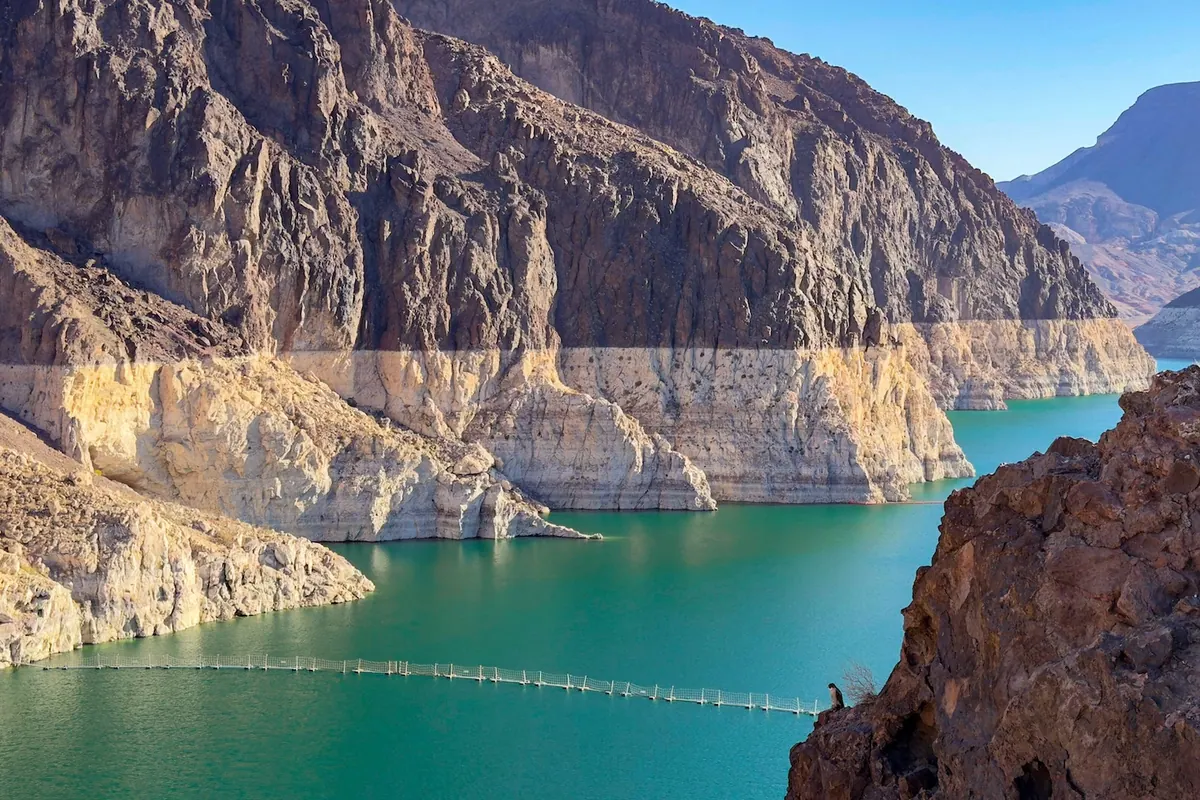
The two largest reservoirs in the United States reached record-low water levels on Saturday, August 15, 2026, and the days immediately preceding it, according to a Carbon Brief report on Monday, August 17, 2026. This development in North America, while geographically distant, serves as a critical signal of intensifying global water stress with potential ramifications for the Asia-Pacific region, particularly in agricultural markets.
Water scarcity in a major global food producer like the United States alters global agricultural commodity prices and supply chains. Crop failures or reduced yields due to drought in one region exert upward pressure on prices worldwide. For countries in the Asia-Pacific heavily reliant on food imports, this translates directly into increased import bills and, potentially, domestic food inflation. This is especially pertinent for economies with large, low-income populations, where rising food costs can erode purchasing power and exacerbate social inequalities.
Agricultural Reliance and Export Vulnerability
Thailand, a significant agricultural exporter, faces a complex set of incentives and risks stemming from such global water crises. While higher global food prices might initially appear beneficial for exporters, providing greater revenue for commodities like rice, rubber, and seafood, this perspective overlooks the interconnectedness of agricultural systems. Increased demand for alternative supplies due to US production shortfalls can stimulate short-term gains, but it simultaneously exposes exporting nations to greater volatility.
The core issue for the Asia-Pacific lies in its own escalating water security challenges. Many nations in the region, including Thailand, Vietnam, and India, grapple with their own periods of drought, exacerbated by climate pattern shifts and increased demand from expanding populations and industrialization. The Mekong River basin, for instance, has experienced significant flow reductions in recent years, impacting agricultural productivity and hydropower generation. This dual pressure – increased external demand for commodities combined with internal resource constraints – creates a precarious balance.
Financial data consistently indicates that agricultural sectors are among the most sensitive to climate variability. Policy documents from regional bodies frequently highlight water management as a top priority. When the United States, with its advanced infrastructure and resource management capabilities, experiences such severe water depletion, it signals a systemic rather than isolated problem. The implicit question for Asia-Pacific policymakers is not 'if' but 'when' similar crises will critically impact their own export capacities and domestic food security.
A common counterargument suggests that regional diversification in sourcing and improved water efficiency within Asia-Pacific agriculture can mitigate these risks. Investment in drought-resistant crops, advanced irrigation techniques, and improved water storage infrastructure are often cited as buffers. While these measures offer some protection, their implementation faces significant economic and logistical hurdles. The scale of investment required to truly insulate large agricultural economies from global water shocks is immense, and progress is often slower than the pace of environmental degradation.
Prediction: The persistent water depletion in major global agricultural zones, as evidenced by the US reservoirs, will lead to a sustained upward trend in global agricultural commodity prices over the next five years, placing increased strain on net food importing nations in the Asia-Pacific and incentivizing intensified, potentially unsustainable, water resource extraction in exporting nations.
The outcome now depends on whether regional governments can reconcile the immediate economic incentives of increased agricultural exports with the long-term imperative of sustainable water resource management. The unresolved constraint remains the growing gap between available freshwater resources and escalating demand, a gap that global events like the US drought vividly underscore.
Sources
Newsletter
Pacific Daily
A curated briefing from Thailand, Asia-Pacific and the world.