Border Clocks Diverge, Imposing Hidden Costs on Regional Trade
A time zone shift between a Canadian province and Washington State necessitates border adjustments, revealing how regulatory discrepancies create tangible economic friction for supply chains and commerce.
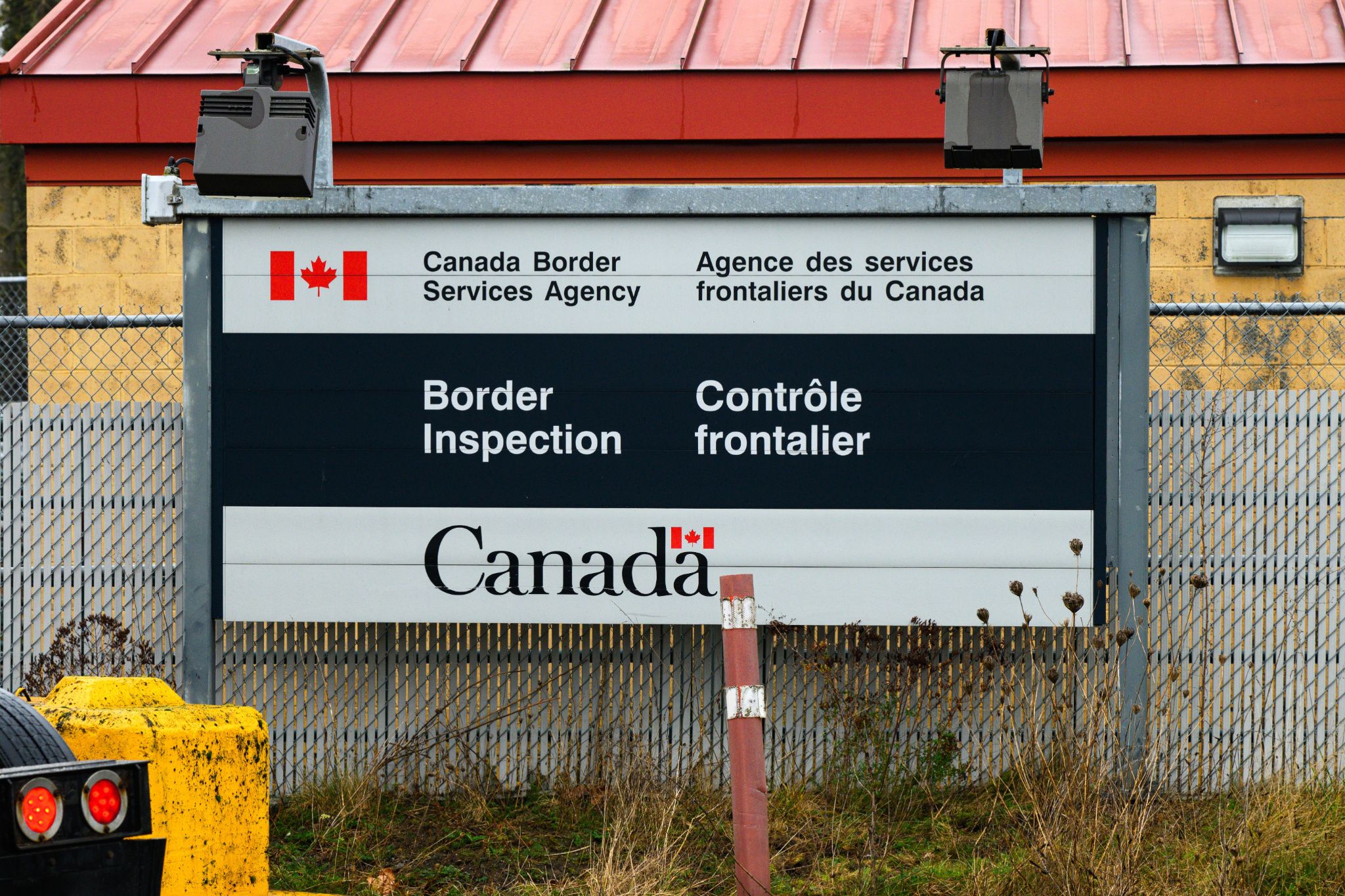
On November 1, Washington State will return to standard time, while an adjacent Canadian province will not. This provincial decision to establish a new time zone code, PCT, and end yearly time changes, has immediate operational consequences. The Canada Border Services Agency (CBSA) is adjusting opening and closing hours at border entry points. The agency's stated aim is to "maintain alignment with hours at the neighbouring U.S. ports of entry." This administrative response to a timekeeping divergence illustrates a pattern of friction familiar in broader trade contexts.
For those who travel across this border to the United States frequently, the time shift has been described as a considerable inconvenience. Such a change, while seemingly minor, represents a direct cost in time and planning for individuals and businesses. The CBSA's necessary adjustments to border hours reflect the operational challenge of disparate standards. Every point of regulatory non-alignment generates administrative burdens and potential delays, impacting the efficiency of cross-border movements.
The restaurant industry, which often operates on tight margins, is particularly sensitive to disruptions in supply chains. The critical question for a culinary critic remains: who grows this, and what margin survives the plate? The answer relies heavily on the efficiency of transport and timely delivery. If produce or seafood shipments from one jurisdiction must navigate altered border schedules or delays due to a time difference, the economic impact is immediate. Such friction can lead to spoilage, extended travel times, increased labor costs, or reduced freshness. These added costs are absorbed somewhere, often by producers or eventually passed on to the consumer.
Consider the broader Pacific Rim, where diverse regulatory environments are common. Whether in differing agricultural import standards, varied labor practices, or distinct packaging requirements for consumer goods, regulatory divergence acts as an invisible tax on trade. The principle observed at this North American border crossing applies widely: whenever a fundamental standard, such as time, or an operational protocol varies between trading partners, it introduces complexity. This complexity, in turn, translates into increased transaction costs and reduced operational fluidity.
The CBSA’s action addresses the symptom of the time zone difference, rather than the root cause of differing provincial and state policies. This is not a judgment on the wisdom of any jurisdiction's internal timekeeping policy. Rather, it is an observation of the external costs generated when such decisions impact shared operational spaces. While a jurisdiction may implement a policy for its own benefit, the economic fallout for those interacting across borders can be significant and often underestimated.
The potential for further fragmentation exists. If more regions within a trading bloc adopt differing standards for elements like time, the cumulative effect on cross-border commerce could be substantial. The adjustments by the CBSA represent a pragmatic response to an immediate challenge. However, they also highlight the vulnerability of seamless cross-border operations when fundamental, even unspoken, agreements on standards diverge. The full economic impact of this time zone shift will likely manifest not only in adjusted border hours but in the ongoing, less visible, transactional burdens placed on supply chains and trade across the divide.
Sources
Newsletter
Pacific Daily
A curated briefing from Thailand, Asia-Pacific and the world.