Boeing Delays Its Narrowbody Recovery While Airline Capacity Plans Fray
Pushing the 47-jet monthly target into 2027 compounds delivery backlogs across regional carriers awaiting fleet renewal
SINGAPORE
Commercial aviation schedules depend on the predictable rhythm of narrowbody manufacturing lines. When Boeing pushed its target of producing 47 of its 737 MAX aircraft a month into early 2027, the revision dismantled the recovery timelines that carriers across the Asia-Pacific region had constructed around post-pandemic passenger traffic. The manufacturer acknowledged that workforce cuts are necessary as output increases continue to lag, leaving open the possibility of additional staffing reductions following an upcoming round scheduled for December.
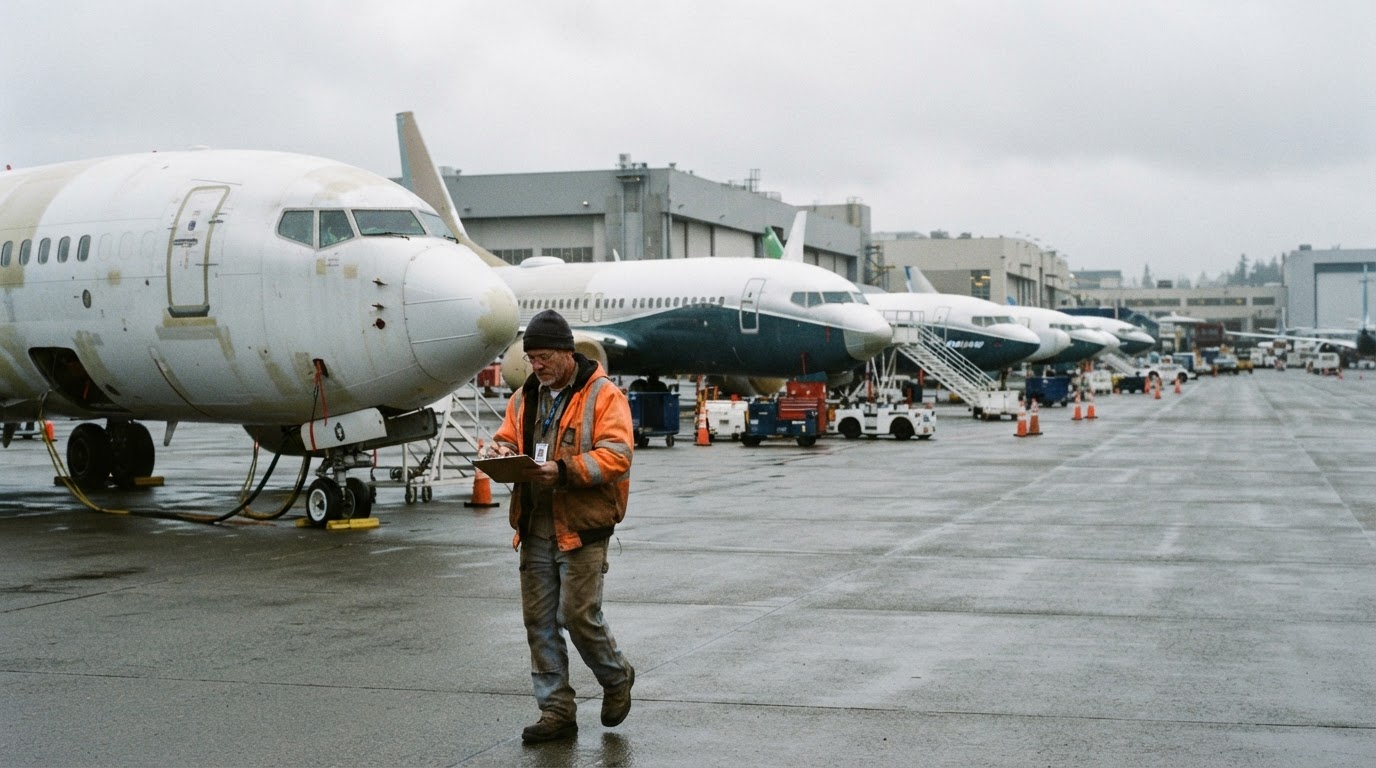
Industrial assembly lines do not absorb delays in isolation. At the Renton facility in Washington, the inability to hit previously planned assembly tempos means single-aisle deliveries will remain suppressed for years longer than earlier guidance suggested. Bryan Corliss, a spokesperson for the Society of Engineering Employees in Aerospace, confirmed to Reuters that management declined to rule out further notices beyond December, underscoring the deep operational turbulence still gripping the company. For international airlines planning seat capacity against rigid fleet-retirement dates, the continued postponement of predictable manufacturing is an expensive disruption.
Shifting Delivery Schedules
Regional network planning relies on fleet replacement models that balance fuel economics against lease renewals. Airlines that ordered the 737 MAX expected a steady ramping of production rates to replace older, higher-maintenance airframes on key medium-haul routes. With output targets delayed until early 2027, operators face prolonged leases on ageing aircraft or the costly curtailment of planned frequencies.
Industry analysts often note that maintaining disciplined assembly standards must supersede sheer speed, particularly given past quality assurance failures in commercial aerospace. That caution is prudent and necessary. Yet caution without operational stabilization creates an acute planning vacuum. The persistent uncertainty over Renton's production run rates denies commercial planners the firm delivery commitments needed to hedge against fuel volatility and crew allocations.
The Cost of Factory Hesitation
When a dominant planemaker trims staff to offset delayed assembly targets, the structural effects reverberate across global logistics networks. Suppliers sizing their own component runs cannot sustain investment cycles when primary output goals slip by multiple calendar years. Airlines that tied capital expenditure forecasts to timely handovers find themselves competing for scarce alternative airframes or absorbing the higher operating ratios of legacy metal.
The deferred 47-jet rate demonstrates that output bottlenecks cannot be resolved simply by resetting the calendar. As labor uncertainty persists into December and factory lines remain below planned output, the pressure shifts outward to airline executives who must explain delayed expansions and grounded routes to their own regional markets. The industrial constraint in Washington has become a hard ceiling on airline fleet planning that will not lift before 2027.
Sources
Newsletter
Pacific Daily
A curated briefing from Thailand, Asia-Pacific and the world.