Beyond the Crowds: Your Sustainable Guide to Japan's Cherry Blossom Majesty
Priya Raghunathan, Pacific Press Sustainability Correspondent, unveils hidden gems and local traditions for an unforgettable sakura season.
SINGAPORE
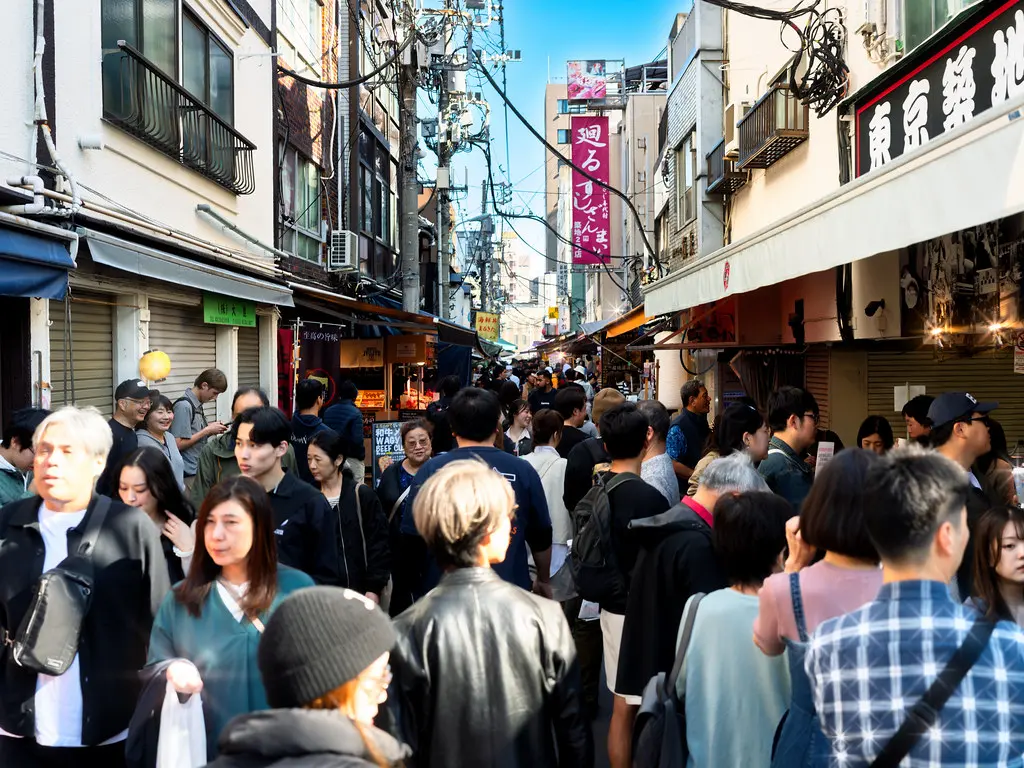
Japan's sakura season is an ephemeral spectacle, a national obsession that draws millions. Yet, the Instagram-perfect images often conceal a less sustainable truth: overcrowding at iconic spots like Ueno Park or Philosopher's Path. As a sustainability correspondent, I argue that the truest appreciation of hanami lies not in battling for a selfie spot, but in discovering less-trodden paths that offer deeper cultural immersion and ecological respect. This year, let’s chase the blossoms with intention.
While the main forecast often centers on Tokyo and Kyoto, the cherry blossom front sweeps across Japan, offering opportunities from late March to late April. To truly embrace sustainability, consider extending your stay or focusing on regions that traditionally see fewer international visitors. This not only disperses tourism's impact but also injects economic vitality into smaller communities. My research points to several such havens.
Northern Honshu's Untamed Beauty
Skip the early rush to Kyoto and instead set your sights north. Tohoku, particularly Aomori and Akita Prefectures, offers a breathtaking, albeit later, sakura experience, often peaking in late April. Hirosaki Castle Park in Aomori is magnificent, boasting over 2,600 trees, some over 300 years old. What truly sets it apart are the petal-filled moats, creating a 'flower raft' that’s a photographer's dream. Yet, even here, arrive early on weekdays to avoid the peak weekend crush. A short train ride from Hirosaki, you can find the more secluded Ashino Park, where a steam locomotive runs through tunnels of cherry blossoms. This offers a nostalgic, less commercialized view. Further south in Akita, the Kakunodate Samurai District provides a stunning contrast of weeping cherry trees (shidarezakura) against well-preserved samurai houses. The atmosphere here feels distinctly more serene than its southern counterparts, and the local festivals often involve traditional music and food unique to the region, far removed from the mass-produced bento boxes of metropolitan parks.
Another overlooked gem is the Fukuoka Prefecture in Kyushu. While Fukuoka city itself has a bustling hanami scene, a short trip to Yanagawa, known as the 'City of Water,' offers a magical experience. Here, you can enjoy cherry blossoms from a traditional punt boat, drifting along canals lined with trees. The leisurely pace and unique perspective make for an incredibly peaceful hanami, often accompanied by local musicians. This regional focus supports local businesses directly, from boatmen to craftspeople.
Festivals Beyond the Mainstream
To truly connect with the spirit of hanami, seek out local festivals. Many smaller towns celebrate sakura with unique traditions. For instance, in Yoshino, Nara Prefecture—a famed but often congested spot—the secret lies in venturing further up the mountains. Instead of the lower groves, hike to the 'Oku Senbon' (inner thousand trees) for breathtaking views and fewer crowds. The local shrines often hold smaller, more intimate rituals during this period, offering a glimpse into centuries-old practices.
"The true spirit of hanami isn't just about viewing, but about participating, understanding, and respecting the transient beauty."
Consider the Michinoku Yosakoi Festival in Sendai, Miyagi Prefecture, which sometimes coincides with the late sakura bloom. While not exclusively a cherry blossom festival, the city's parks will be in full bloom, and the vibrant dance performances add an exhilarating layer to the appreciation of spring. This fusion of traditional performance and natural beauty exemplifies a holistic approach to travel, engaging with both cultural and environmental aspects.
For a truly off-the-beaten-path experience, explore the sakura along the Shinano River in Niigata Prefecture. Here, blossoms line the riverbanks, often accompanied by local food stalls featuring regional specialties like _hegi soba_. The community-led festivals are less about grand spectacles and more about shared enjoyment, a true embodiment of the Japanese appreciation for ephemeral beauty within daily life.
To travel sustainably during sakura season, book accommodations in smaller inns (ryokan) or guesthouses, use public transport diligently, and minimize waste. Choose local eateries over international chains. By diverting our gaze from the most publicized spots to these lesser-known, equally stunning alternatives, we not only gain a more authentic and intimate experience but also contribute to a more balanced and sustainable tourism landscape across Japan. This year, let's bloom responsibly.
Newsletter
Pacific Daily
A curated briefing from Thailand, Asia-Pacific and the world.