Beyond the Calendar: Asia's Warming Climate Reshapes Travel
The challenge of rising temperatures in Asia-Pacific shifts the definition of seasonal travel, demanding new approaches for destinations.
SINGAPORE
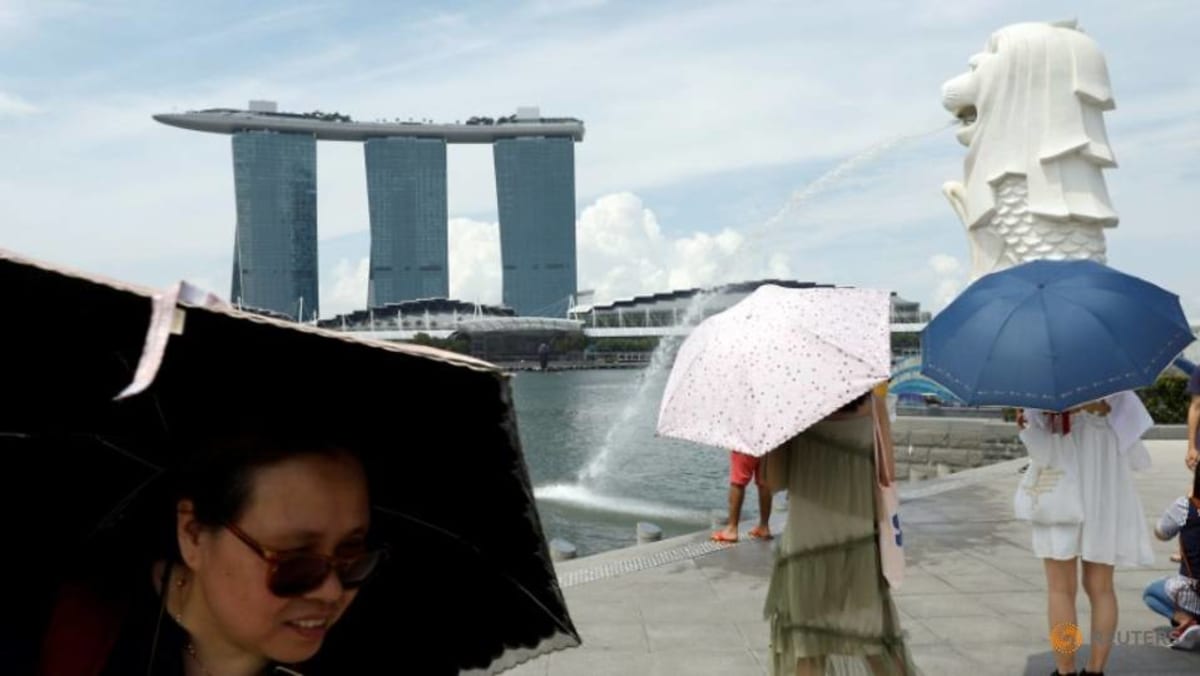
The consistent presence of heat across the region now shapes urban landscapes, with people seeking shade and relief. This scene, common across various Asian cities, encapsulates a tangible shift. Asia is warming, at a rate nearly twice the global average, according to comments made by Minister for Sustainability and the Environment Grace Fu at the Global Cooling Pledge Assembly on September 17, 2026. This fact, noted by CNA Lifestyle, underscores a fundamental challenge for destinations reliant on seasonality and the appeal of outdoor experiences.
Historically, the rhythm of tourism in many Asian locales has been dictated by climatic patterns. Travelers planned around these natural cycles, seeking specific experiences tailored to the climate of a given month. The cooler, drier periods traditionally offered clear skies for beach holidays and exploration, while other times brought different conditions. This seasonal logic has been a constant, shaping infrastructure, marketing, and the very expectations of visitors.
Yet, the evidence of sustained warming introduces a contradiction to this established rhythm. The increasing heat means that what was once a comfortably warm period now edges closer to an oppressive one for longer stretches of the year. This is not merely an increase in temperature; it has implications for the body's ability to cool itself, a concept illuminated by research into wet-bulb temperatures by the United Nations University in June 2026. As the mercury rises, the capacity for sustained outdoor activity diminishes, and the reliance on artificial cooling escalates. Minister Fu’s address explicitly links the need for expanded cooling access with the imperative to control emissions, highlighting a critical tension.
For destinations across the Asia-Pacific, the implications are substantial. The traditional high season, once a clear window of comfort, may shorten or become less predictable. The demand for cooled indoor spaces — hotels, shopping malls, cultural venues — will intensify, potentially shifting the focus of the travel experience. This necessitates a re-evaluation of how cities and natural sites accommodate visitors. The sight of tourists shielding themselves with umbrellas at Singapore’s Merlion Park, captured by Reuters on September 17, 2026, serves as a visual reminder of immediate, day-to-day adaptations already occurring.
The challenge lies in mitigating the environmental impact of this increased cooling demand. While immediate technological solutions like air conditioning provide relief, their widespread adoption without efficiency measures contributes to the very problem they aim to solve. This is the core of the dilemma: how to maintain visitor comfort and economic viability without exacerbating the climatic conditions that make such comfort necessary. The World Bank Blogs highlighted the ‘Business Case for Sustainable Cooling’ in June 2025, suggesting financial incentives could drive more environmentally sound solutions.
Some might argue that tourism patterns are resilient and adapt to gradual changes, pointing to the persistent appeal of warm destinations despite historical temperature fluctuations. However, the current rate of warming in Asia, nearly double the global average, suggests a faster, more pronounced shift than mere fluctuation. The seasonal narrative, once a reliable guide, is becoming less distinct, blurring the lines between what was once considered peak and off-peak based on comfort. The question is not whether people will still travel, but how their choices and expectations will be reshaped by a climate that offers fewer periods of ambient ease.
The evolving climate demands that destinations re-examine their long-held assumptions about seasonality. The future of travel here may be less about escaping cold winters elsewhere, and more about navigating persistently warm conditions with innovative, sustainable design and infrastructure. This transition, while challenging, presents an opportunity to redefine the destination experience, moving beyond a simple calendar to a more thoughtful engagement with the environment.
Sources
Newsletter
Pacific Daily
A curated briefing from Thailand, Asia-Pacific and the world.